On June 21, National Indigenous Peoples Day, Canada crowned a new class of literary changemakers. The 2026 Indigenous Voices Awards named its winners, and once again, Native voices led the national conversation. If you care about where Canadian storytelling is headed, this is your moment to pay attention.
For nearly a decade, the Indigenous Voices Awards have celebrated emerging Indigenous writers across English, French, and Indigenous languages. This year's jury reviewed poetry and prose that push past old narratives. They chose work that feels urgent, personal, and impossible to ignore.
You've likely scrolled past a headline about this without stopping. This year, it's worth pausing. The women behind these wins are shaping what Canadian literature looks like for the next generation of readers.
What the 2026 Indigenous Voices Awards Just Told Us
The awards recognize published and unpublished writers building the next chapter of Canadian literature. Winners receive funding, mentorship, and a wider readership. More importantly, they receive validation that their stories belong at the centre of the national narrative. This year's jury included respected names like Marilyn Dumont and Richard Van Camp. Their choices reflect a literary landscape shaped by Indigenous women who refuse to stay in the margins.
The awards sit alongside a bigger shift happening across Canadian publishing. Writers like Cherie Dimaline, Eden Robinson, and Katherena Vermette have already proven Indigenous storytelling belongs on national bestseller lists. Canada Reads winner Michelle Good added another milestone to that momentum. You don't need a literature degree to feel the significance here. You just need to start paying attention to who's telling Canada's stories.
Meet the Women Behind This Year's Wins
Melissa Powless Day took home top honours in poetry. She's Anishinaabe and Kanien'kehá:ka, from Bkejwanong Territory, also known as Walpole Island First Nation. Her debut chapbook, Secondhand Moccasins, already earned a shortlist nod before this win. Her winning collection explores something many women recognize: the tension between ancestral memory and modern life. She writes about community, homecoming, and what it means to carry a culture forward.
The jury called her work intentional, punchy, and incisive. That's not academic praise. That's the kind of writing that grabs you and doesn't let go. Powless Day is also pursuing a PhD in Indigenous Education. She's proof that scholarship and storytelling can live in the same hands.
Why These Native Voices Matter Beyond the Trophy
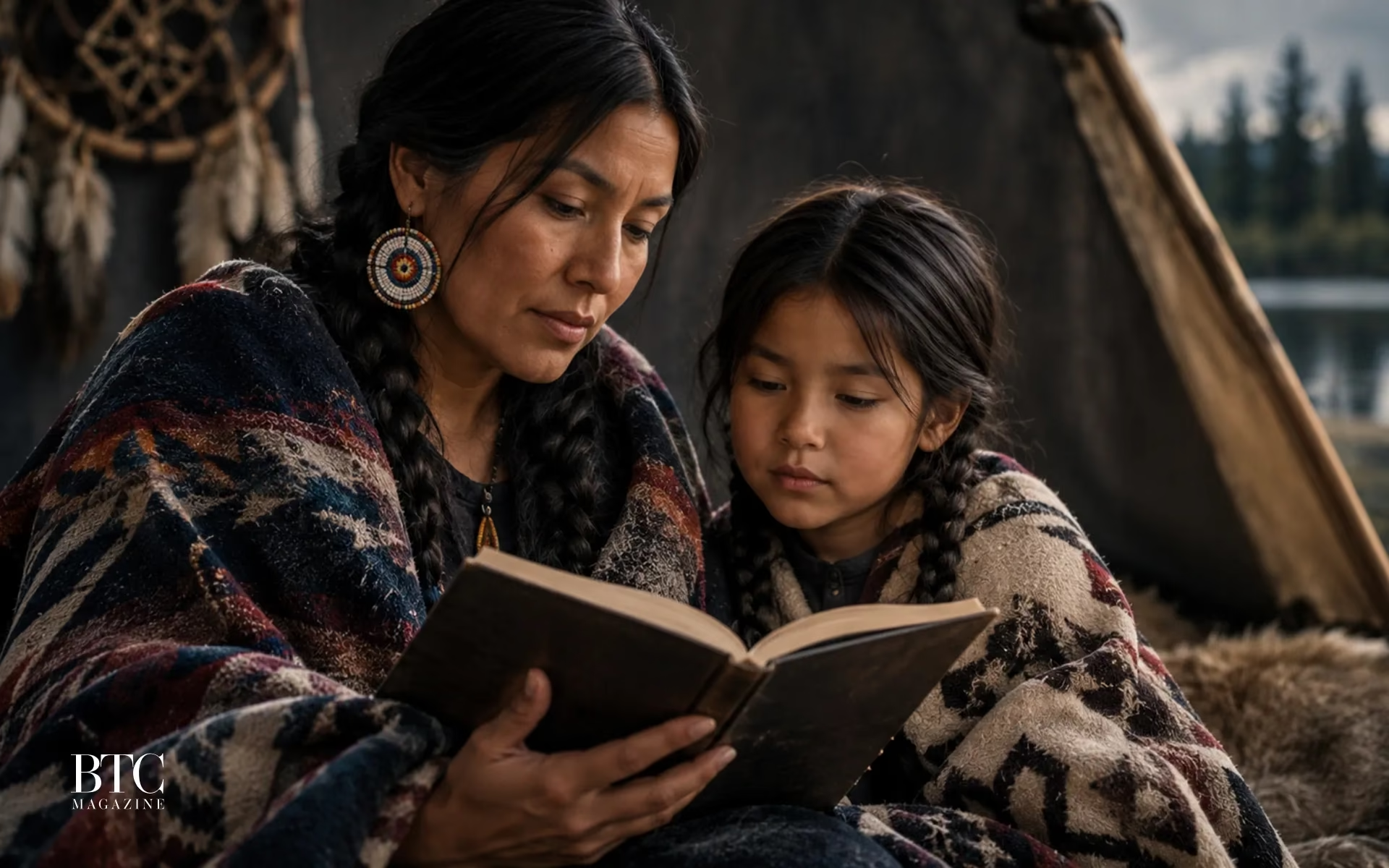
Here's the deeper story: language and land are inseparable from Indigenous women's writing. A major 2026 research prize went to a scholar studying exactly this connection between Indigenous women, language reclamation, and literature. For generations, Indigenous women kept languages alive through oral storytelling. They passed culture to their children long before publishing existed. Today's Native voices in Canadian literature carry that same responsibility forward, just now on the page.
When you read this work, you're not just consuming a story. You're witnessing an act of reclamation. Think about it this way: every poem written in a reclaimed language pushes back against decades of forced assimilation. Every memoir passed down through generations becomes an act of cultural survival. These aren't just literary achievements. They're acts of resistance dressed as art. This matters for every Canadian woman, not only Indigenous readers. Understanding these voices means understanding a fuller, more honest version of Canadian culture. It also means recognizing whose stories have been missing from your bookshelf.
Where to Start Reading
Ready to dive in? Start with the Indigenous Voices Awards shortlist for 2026 and work backward through past winners. You'll find poetry, memoir, and fiction that will change how you see this country. If you want deeper context first, our Canadian Arts & Literature hub has more Indigenous storytelling coverage. You can also explore our Cultural Literature section for reading lists that go beyond the bestseller table. Add Powless Day's Secondhand Moccasins to your list. Then look up past Indigenous Voices Awards winners like Michelle Good and Billy-Ray Belcourt. Don't stop at one book, either. Follow it with a novel from Eden Robinson or a poetry collection from a shortlisted writer you've never heard of. Building a reading habit around Native voices means seeking out new names. Don't just reach for the ones already sitting on bestseller tables.
Ask your local library or independent bookshop for recommendations, too. Many carry dedicated Indigenous literature sections curated by staff who know the field well. A quick conversation can point you toward a writer you'd never have found on your own. Reading Native voices isn't a passing trend. It's a long-overdue correction. Every book you pick up amplifies a story that deserves to be heard. If literary discovery is your thing, join our newsletter for more reading recommendations delivered straight to your inbox.







Comments
No comments yet
No comments to show yet. Subscribe to join the conversation.
Log in or subscribe to comment on this article.