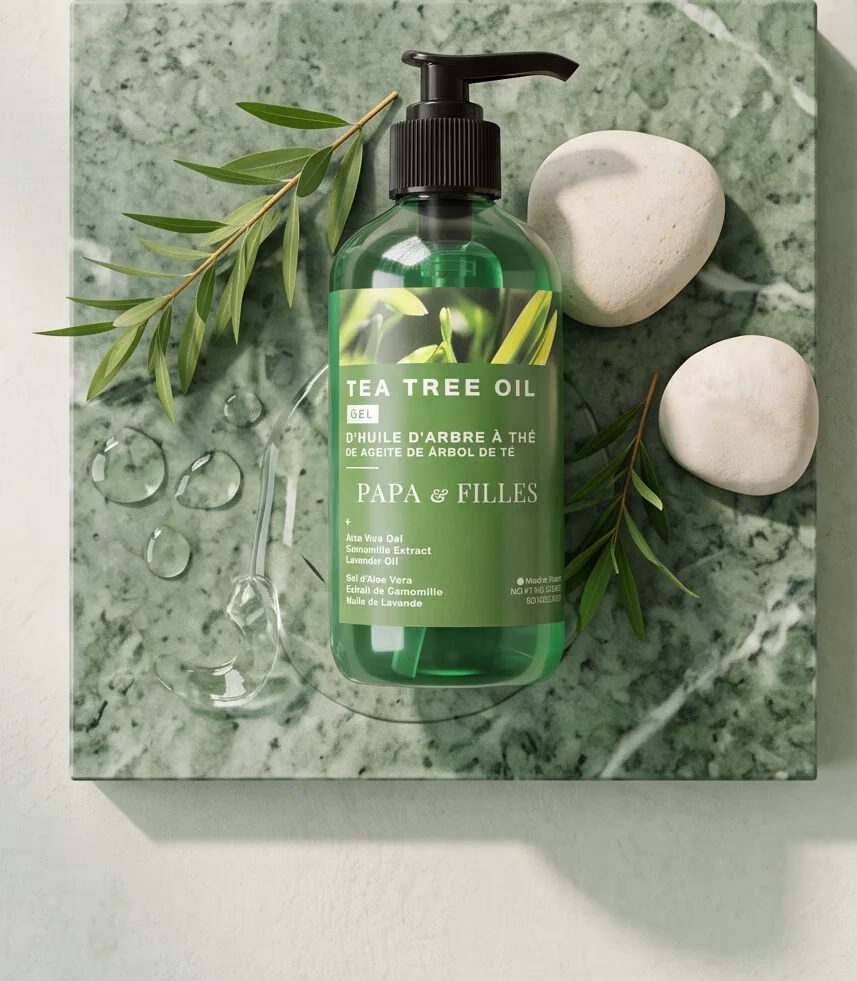
Tea Tree Gel — Targeted Aloe Gel
$17.50his targeted aloe-based gel provides a focused, refreshing treatment for specific areas of the face while helping skin feel balanced and clean.
+ Add to cart
Carry the full magazine experience in your pocket — stories, podcasts, exclusive perks, and more. Download the free app today.
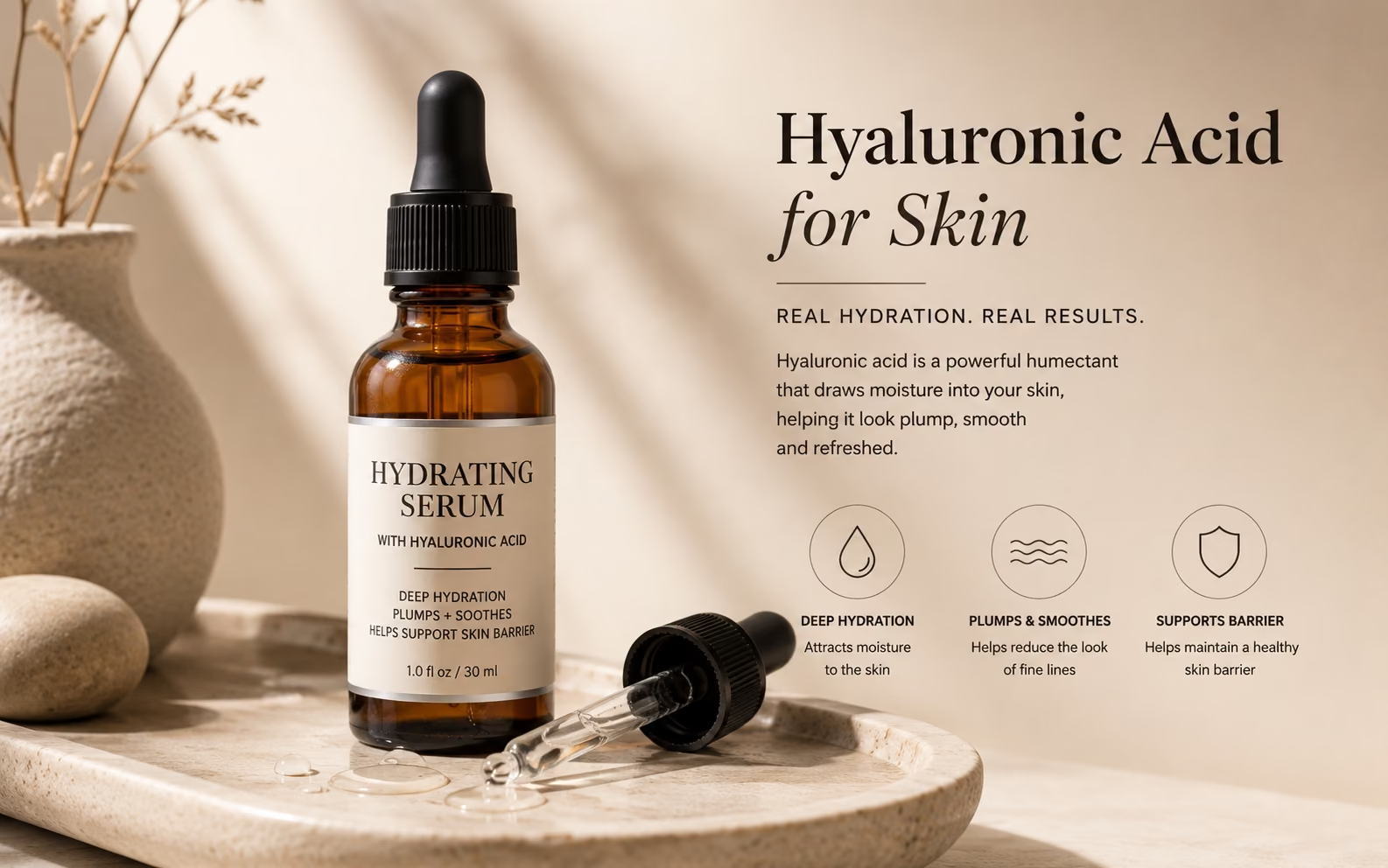
Hyaluronic acid is a natural humectant that draws water into skin's surface layers, delivering visible plumpness and hydration almost immediately after application.
Applied incorrectly, hyaluronic acid can pull moisture from deeper skin layers instead, which is why damp skin and moisturizer sealing are essential.
There's no established evidence that hyaluronic acid darkens skin; reported darkening usually stems from sun exposure or unrelated product reactions.
Different molecular weights of hyaluronic acid hydrate at varying depths, which is why many formulas combine multiple sizes for layered hydration.
Hyaluronic acid layers well with most active ingredients and suits nearly all skin types, making it a low-irritation hydration staple.
If there's one ingredient that shows up in almost every hydrating serum, moisturizer, and "skin quenching" product on the shelf, it's hyaluronic acid. It's one of those ingredients that gets talked about so often, people assume they understand it, yet a lot of the details get lost along the way. What does hyaluronic acid actually do for skin? Can it dry your skin out instead of hydrating it? Does it darken skin, like some corners of the internet suggest?
This guide answers those questions directly, without the vague marketing language that usually surrounds hyaluronic acid skin care. You'll learn what the ingredient actually does, the real benefits it offers, the myths worth ignoring, and exactly how to use it so your skin gets the hydration it's supposed to deliver.
Hyaluronic acid is a naturally occurring molecule already found in your skin, connective tissue, and joints. Its main job in the body is to hold onto water, and it's remarkably good at it: a single gram of hyaluronic acid can hold several liters of water under ideal conditions. In skincare, it's used as a humectant, which means it draws moisture toward the skin rather than providing oil or actively repairing the skin barrier itself.
So what does hyaluronic acid do for skin in practical terms? It helps pull water into the outer layers of your skin, which is why it's so closely associated with a plumper, more hydrated look almost immediately after application. This is different from ingredients like retinol or vitamin C, which work by influencing cell turnover or pigmentation. Hyaluronic acid's job is simpler: attract and hold water where your skin needs it most.
As we age, natural hyaluronic acid levels in the skin gradually decline, which is part of why skin can look less plump and more prone to fine lines over time. Applying hyaluronic acid topically doesn't reverse that process, but it does help support hydration levels in the meantime.
Understanding the mechanism helps explain both the benefits and the common mistakes people make with this ingredient.
Hyaluronic acid molecules come in different sizes, often described as low, medium, and high molecular weight. Larger molecules tend to sit on the surface of the skin, forming a hydrating film, while smaller molecules can penetrate slightly deeper into the skin's upper layers. Many hyaluronic acid skin products combine multiple molecular weights specifically to hydrate at different depths at once.
Because hyaluronic acid works by drawing in moisture, it needs a source of water to pull from, either the air around you or a damp layer already on your skin. This single detail explains almost every common complaint and myth associated with the ingredient, which we'll get into shortly.
Let's walk through the hyaluronic acid benefits for skin that are genuinely worth knowing.
The most noticeable benefit of hyaluronic acid on skin is a quick improvement in how hydrated and plump your skin looks. Because it draws water into the surface layers, many people notice a visible difference within minutes of application, which is part of why it's such a popular addition to routines.
While hyaluronic acid doesn't change the structure of your skin the way retinol does, well-hydrated skin tends to look smoother, which can temporarily soften the appearance of fine, dehydration-related lines. This is a cosmetic effect rather than a long-term structural change, but it's a real and well-documented one.
One of the more practical hyaluronic acid benefits on skin is how well it layers with other actives. It doesn't typically cause the kind of irritation associated with stronger acids or retinoids, which makes it a common recommendation for people who are also using more intensive treatments elsewhere in their routine.
Hyaluronic acid skin care tends to be well tolerated across oily, dry, combination, and normal skin types, since it's hydrating rather than oil-based. That said, how you use it matters more for some skin types than others, which we'll cover in the next section.
While hyaluronic acid isn't a barrier repair ingredient on its own, adequate hydration is a foundational part of a functioning skin barrier. Skin that's chronically dehydrated is more prone to sensitivity and irritation, so consistent hydration support plays a supporting role in overall skin resilience.
This is one of the most searched questions about the ingredient, and the answer is genuinely nuanced. Hyaluronic acid itself isn't drying, but how you apply it can determine whether it hydrates your skin or ends up pulling moisture away from it.
Here's the key detail: hyaluronic acid draws water from wherever it can find it. If your skin is damp and the surrounding air has reasonable humidity, it pulls that moisture into your skin. But if you apply it to dry skin in a very dry or low-humidity environment, with nothing to seal it in afterward, it can end up pulling water from the deeper layers of your skin instead, which leaves skin feeling more dehydrated rather than less.
This is why hyaluronic acid is almost always recommended on damp skin, followed immediately by a moisturizer to lock that hydration in. Skipping the moisturizer step is the single most common reason people report dryness after using hyaluronic acid products.
This is a myth that circulates occasionally, and it's worth addressing directly: there's no established evidence that hyaluronic acid itself darkens skin. Hyaluronic acid is not a pigment-altering ingredient, and it doesn't interact with melanin production the way ingredients like hydroquinone or certain acids can.
When people report skin appearing darker after using a hyaluronic acid product, it's typically due to one of a few unrelated factors: increased sun exposure without adequate sunscreen, an unrelated skin reaction to another ingredient in the same formula, or simply normal fluctuations in skin tone that coincided with when the product was introduced. If you notice genuine changes in your skin tone after starting a new product, it's worth reviewing your full routine and sun protection habits rather than assuming hyaluronic acid is the cause.
Getting the application right makes a significant difference in how well hyaluronic acid actually performs. Here's a simple, beginner-friendly approach.
Cleanse your skin first. Starting with a clean base helps the product absorb evenly.
Apply hyaluronic acid to slightly damp skin. This gives the ingredient a water source to draw from immediately, rather than pulling moisture from deeper layers of your skin.
Layer it before heavier creams, not after. Hyaluronic acid works best applied to the skin directly, with richer, oil-based products layered on top to help seal it in.
Follow with a moisturizer every time. This step is not optional if you want hydration to actually last rather than evaporate.
Use sunscreen during the day, as with any hydrating or active skincare step, since sun protection supports the overall health of hydrated skin.
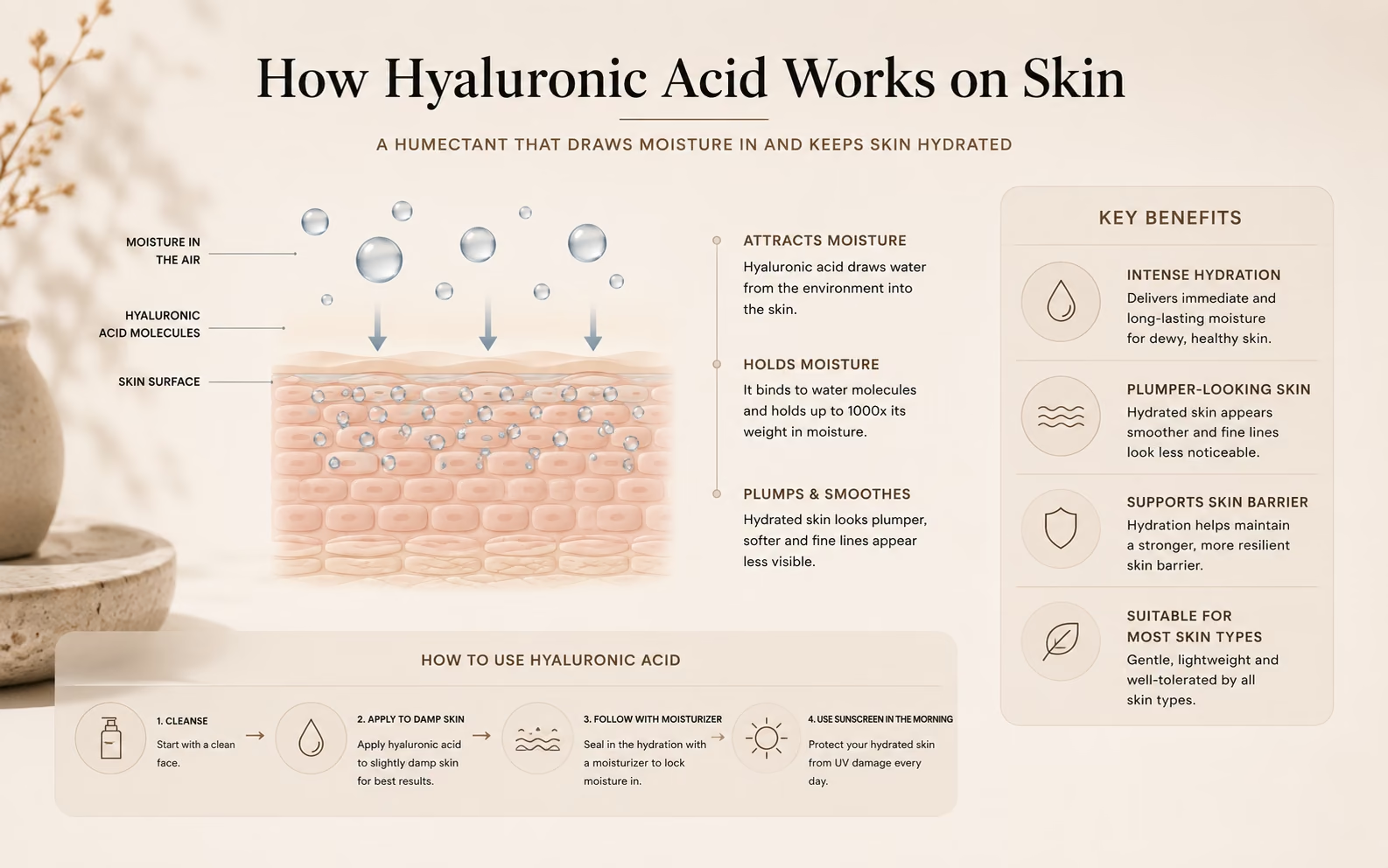
For a simple hyaluronic acid skin care routine, most people do well applying it once in the morning and once at night, always on damp skin and always followed by a moisturizer. If your skin tends to run oily, a lighter, gel-based moisturizer afterward usually works better than a heavy cream. If your skin runs dry, a richer moisturizer or facial oil layered on top helps lock hydration in more effectively.
Hyaluronic acid skin products come in a few common formats, and understanding the difference helps you choose what fits your routine.
Serums tend to have a higher concentration of hyaluronic acid and are usually the most straightforward way to introduce the ingredient into a routine. They're typically applied after cleansing and before moisturizer.
Essences, sometimes labeled as a hyaluron skin essence, are lighter in texture and often contain a lower concentration of active ingredients spread across a larger volume of product. They're generally applied right after cleansing, with the idea of prepping the skin with a first layer of hydration before heavier products follow.
Moisturizers with hyaluronic acid combine the humectant with occlusive or emollient ingredients in a single step, which can simplify a routine for people who prefer fewer products, though the hyaluronic acid concentration is usually lower than in a dedicated serum.
None of these formats is inherently superior. The right choice depends on how many steps you want in your routine and how your skin responds to lighter versus richer textures.
Applying it to completely dry skin with nothing to seal it in. This is the most common reason people feel like hyaluronic acid "doesn't work" for them or, worse, leaves skin feeling drier.
Skipping moisturizer afterward. Even in humid climates, a moisturizer helps lock in the hydration hyaluronic acid draws to the surface.
Using it as your only hydrating step. Hyaluronic acid supports hydration, but it isn't a replacement for a complete routine that includes cleansing, moisturizing, and sun protection.
Assuming more product means more hydration. A thin, even layer is usually enough. Overloading skin with product doesn't meaningfully increase the benefit.
Ignoring humidity levels. In very dry climates or heavily air-conditioned environments, pairing hyaluronic acid with a humidifier or a heavier moisturizer helps maintain its effectiveness.
Myth: Hyaluronic acid is an exfoliating acid, similar to glycolic or salicylic acid. Fact: Despite the name, hyaluronic acid doesn't exfoliate. It's a hydrating humectant, unrelated in function to alpha or beta hydroxy acids.
Myth: Hyaluronic acid always dries out skin. Fact: It only pulls moisture from deeper skin layers when applied incorrectly, typically on dry skin without a moisturizer to seal it in. Used properly, it supports hydration rather than depleting it.
Myth: Hyaluronic acid darkens skin over time. Fact: There's no evidence connecting hyaluronic acid to skin darkening. Reported darkening is usually linked to sun exposure or unrelated skincare changes happening around the same time.
Myth: You only need hyaluronic acid if your skin is dry. Fact: Since it's compatible with nearly all skin types, including oily and combination skin, it's widely recommended regardless of your baseline skin type.
Hyaluronic acid is broadly suitable for most people, including those with sensitive skin, since it doesn't typically cause the kind of irritation associated with stronger active ingredients. It's a reasonable addition for anyone dealing with dehydration, dullness, or the desire for a more plump, hydrated look.
The main group who should be more cautious is anyone living in a very dry or low-humidity climate who applies it without a proper moisturizer afterward, since this is the scenario most likely to backfire. People with known sensitivities to specific formulations should always patch test a new product first, as with any skincare ingredient, though true allergic reactions to hyaluronic acid itself are uncommon.
Consider a typical morning routine: cleanse, apply a hyaluronic acid serum to damp skin, follow with a lightweight moisturizer suited to your skin type, then finish with sunscreen. In the evening, the same sequence applies, simply swapping sunscreen for a slightly richer night cream if your skin tends to feel tight by the end of the day.
This kind of consistency, rather than an elaborate multi-step routine, tends to produce the most noticeable and sustained hydration benefits over time.
Since hydration needs vary depending on climate, skin type, and the rest of your routine, it can help to get a clearer picture of what your skin specifically needs. Take our Papa & Filles beauty quiz to get a personalized recommendation for building hydration into your routine effectively.
For a related read on supporting your skin barrier while introducing hydrating and active ingredients, take a look at our guide on building a simple, sustainable nighttime skincare routine.
Hyaluronic acid remains one of the most straightforward, well-tolerated ingredients in skincare, but its effectiveness depends entirely on how it's used. Applied to damp skin and sealed in with a proper moisturizer, it delivers genuine, noticeable hydration benefits. Skipped or misapplied, it can leave skin feeling just as dry as before. Once you understand that simple mechanism, hyaluronic acid becomes a lot less mysterious and a lot more useful, whether you're using a serum, an essence, or a moisturizer built around it.
Hyaluronic acid works as a humectant, meaning it draws moisture into the surface layers of skin and helps it stay there. This creates an immediate plumping and hydrating effect, and over time it supports a more resilient, better hydrated complexion. It doesn't change skin structure the way retinol or exfoliating acids do, its role is specifically to attract and hold water.
Hyaluronic acid isn't inherently drying, but applying it to completely dry skin without sealing it in with a moisturizer can cause it to pull moisture from deeper skin layers instead of the air. To avoid this, always apply it to slightly damp skin and follow immediately with a moisturizer, especially in dry or low-humidity climates.
No, there's no established evidence that hyaluronic acid darkens skin. It doesn't interact with melanin production. Reported darkening after using a hyaluronic acid product is usually related to sun exposure, an unrelated ingredient in the formula, or normal changes in skin tone happening around the same time.
Apply hyaluronic acid to clean, damp skin, then follow with a moisturizer to lock the hydration in. It works well both morning and night and layers easily with most other skincare ingredients. Avoid applying it to dry skin without sealing it, since that's the most common reason people don't see the hydration benefits they expect.
Serums generally contain a higher concentration of hyaluronic acid and are applied after cleansing, before moisturizer. Essences are lighter in texture, often with a lower concentration spread through a larger volume, and are typically used right after cleansing to add an initial layer of hydration before other products follow.
Yes, hyaluronic acid is broadly suitable for oily, dry, combination, and normal skin types because it hydrates without adding oil. The main consideration isn't skin type, it's application: pairing it with a moisturizer and using it on damp skin ensures it hydrates effectively regardless of your underlying skin type.
Join Between the Covers
Subscribers get every article, digital issues, and perks — not just the free reads.
7-day free trial, then from $3.99/mo. Cancel anytime.
Keep exploring
Read the full story
7-day free trial · From $3.99/mo
Discover every article featured in our latest BTC issues, bringing the month's stories together in one place, so you can easily read and explore everything.
Read Now →Skin has no pronouns, and neither does great skincare. Discover clean beauty made for every skin type, age, and identity. Honest formulas, clear ingredients, and inclusive beauty that actually belongs to you.
Clean beauty for skin, not labels. Face mists, serums, moisturizers, and masks made for you, whoever you are.
Colour makeup and body care that work with your skin, not against it. Inclusive beauty, made honestly.
Beauty gifts and skincare gifts, curated into sets your favourite person will actually use and love.
You deserve stories that actually get you. A BTC magazine subscription unlocks unlimited access to in-depth, unfiltered articles, exclusive podcasts, and member perks you'll genuinely love. Try it free for seven days, then keep enjoying full access from just $3.99 a month. Cancel anytime, no pressure at all. Ready to go deeper?
7-day free trial, then from $3.99/mo. Cancel anytime.
Comments
No comments yet
No comments to show yet. Subscribe to join the conversation.
Log in or subscribe to comment on this article.