Bitch Fest: The Advice Column Where We Tell It Like It Is
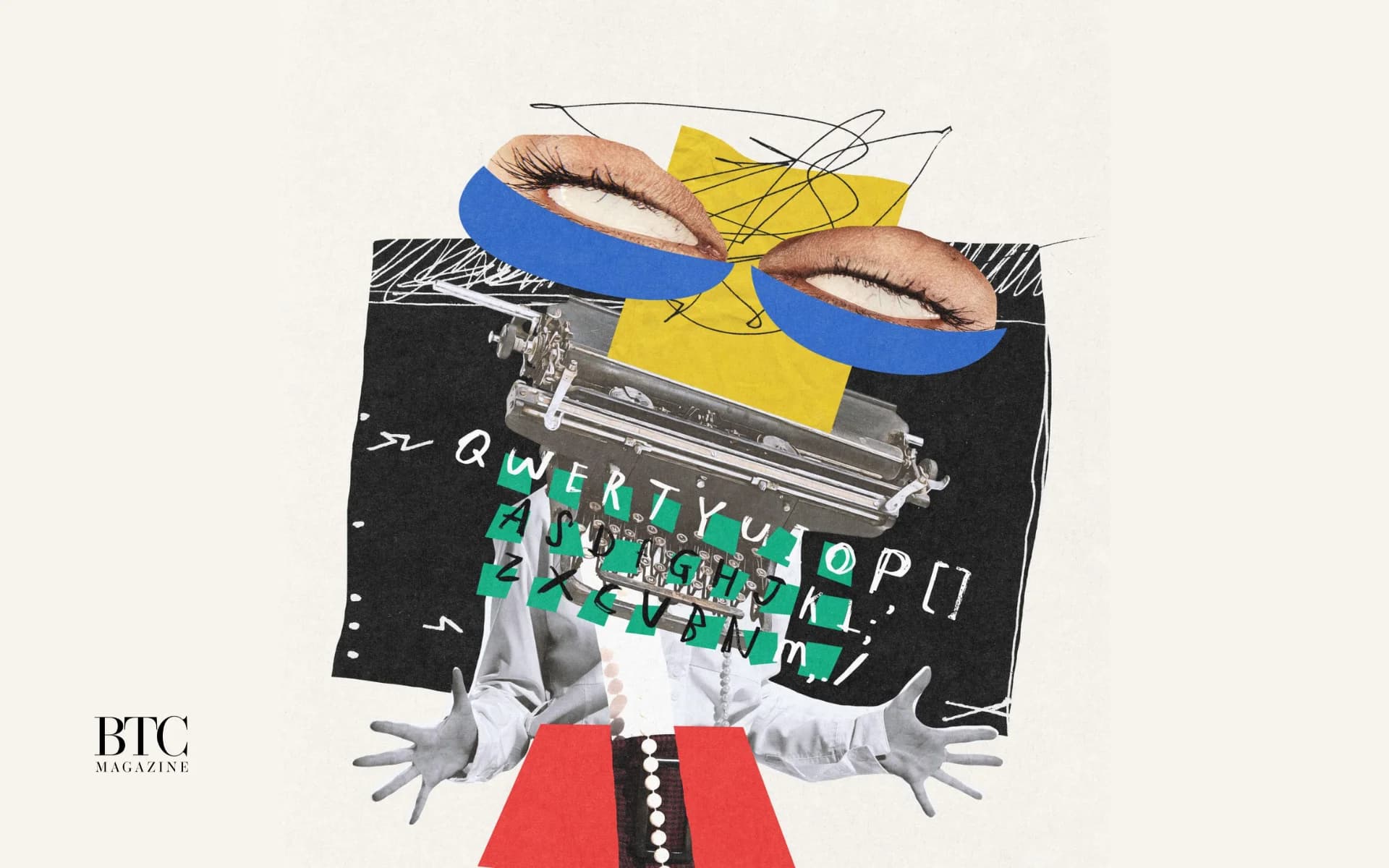
Entry 1: Typing Between Kicks
Dear Bitch Fest,
I'm working through pregnancy and lately I've developed a new workplace curiosity. It's watching my coworkers — especially the men — apply for leave because they have the flu. The tone is always the same: urgent, tragic, deeply deserving. Rest is required. Recovery is critical. Productivity must pause.
Meanwhile, I'm here. Functioning through nausea, exhaustion, back pain, swollen feet, shortness of breath, a bladder with no sense of timing, and a baby inside me practicing what feels like competitive kickboxing… and still showing up to a meeting calmly discussing creative direction like everything is completely normal.
So I can't help but wonder: Should I also start applying for daily leave?
"Out today — internal organs rearranging."
"Logging off early — spine no longer in alignment."
"Unavailable — being kicked from the inside."
Or is that not how this works?
— Typing Between Kicks
Dear Typing Between Kicks,
Let me paint the full picture, because I want you to sit with it for a moment.
The man who submitted a doctor's note for a runny nose — the one who forwarded it with "please advise re: my capacity this week" like he was filing a legal brief — has absolutely, without question, already sent you a follow-up email asking if you "had a chance to look at that." And you responded. Professionally. With bullet points. While 32 weeks pregnant. While a small human was using your bladder as a squeeze toy.
You are performing a level of physical and emotional labor that would make an Olympic athlete ask for accommodations, and you are doing it in a blazer, with your camera on, nodding thoughtfully while someone talks about Q3 projections.
Here's what nobody says out loud: women were never given permission to be a body at work. Men get sick and it's a crisis requiring immediate institutional support. Women grow entire humans and it's expected to be managed. Quietly. Without inconveniencing anyone. With your video on and your "sorry, had to step away for a second" apology already loaded and ready to fire.
You are not asking for special treatment. You are asking for the same dramatic, tender permission to be a human body that your colleagues — including the one who once took a personal day because he was "emotionally drained from a long weekend" — enjoy freely, shamelessly, and without a single follow-up question from HR.
So yes. File the leave requests. All of them. In graphic, clinical, deeply specific detail. "Out today — diaphragm displaced, lungs operating at 60% capacity, internal tenant non-compliant." "Logging off early — pelvis in active renegotiation." "Unavailable Tuesday — attending two simultaneous meetings, one external, one biological, baby has the floor." Make it a series. A memoir. A documentary. A limited prestige series with a haunting score and a lead actress who will win something for the role.
You are not asking for too much. You have never once asked for too much. That's literally the whole problem.
— Bitch Fest
Entry 2: Still Processing
Dear Bitch Fest,
I am a 41-year-old woman who has recently discovered, after many years of therapy, a genuinely supportive relationship, and one very well-reviewed self-help book, that I am finally — finally — beginning to heal my childhood wounds.
The problem is that healing, apparently, takes time. A lot of it. My therapist says I'm "making real progress." My partner says they're "proud of me." I've started journaling. I cry in a healthy way now, which is different from before, I'm told.
But here's the thing nobody mentions in the brochure: while I'm busy excavating the version of myself I buried at age nine — the one who laughed too loud and wanted too much and didn't know yet that she was supposed to make herself smaller — actual life keeps happening. Groceries. Deadlines. The group chat. My mother, who has not read the book.
I thought healing was supposed to feel like becoming. It mostly just feels like homework.
— Still Processing
Dear Still Processing,
They sold you the montage. The one with the good lighting and the linen journal and the woman walking barefoot on a beach looking meaningfully at the horizon like she just remembered who she was. And nobody — not the therapist, not the book, not the Instagram account with the serif font quotes — mentioned the part where you have a genuine, tear-soaked breakthrough at 11pm on a Tuesday and then immediately have to remember whether you defrosted the chicken.
That's the part they leave out. The chicken. The group chat blowing up while you're mid-revelation. The way your mother can undo six months of inner child work with a single comment about your hair at Sunday dinner. The fact that you can have a real, hard-won realization about your patterns in the morning and then fall directly into one of those patterns by noon — because you're tired and the day got away from you and it turns out insight and instinct are not the same thing, and instinct has a twenty-year head start.
The version of you that laughed too loud and wanted too much and took up space without apology — she didn't go anywhere. She got buried around the time someone made it clear, in that specific way adults make things clear to children without ever using the actual words, that she was a little much. A little much with the wanting. A little much with the needing. A little much, full stop. And so she learned to manage herself. Got very good at it, actually. Made it all the way to 41 being impressively, exhaustingly, professionally fine.
And now she's digging her way back out. And it's slow, and it's not cinematic, and some days the only evidence of progress is crying about something true instead of around it. That counts. That counts more than the journal and the book and the barefoot beach walk combined.
You're not behind. You're not failing at healing. You're doing the most unglamorous, necessary, quietly radical thing a person can do — deciding, in the middle of a regular Wednesday with groceries and deadlines and a group chat that never stops, to stop leaving yourself behind.
The chicken can wait. She's been waiting long enough already.
— Bitch Fest
Entry 3: Fluent in Apology
Dear Bitch Fest,
I have recently realized that I say sorry approximately forty-seven times a day. I say it when someone bumps into me. I say it in emails before asking a reasonable question. I say it when I disagree, when I need something, when I exist near someone who seems mildly inconvenienced. Last week I apologized to a self-checkout machine.
I am a grown adult. I have a graduate degree. I have opinions. I run things. And yet my mouth, completely independently of my brain, has decided that every sentence should begin with a small ritual of self-erasure.
I've tried to stop. I replaced "sorry" with "excuse me." Now I say "excuse me" forty-seven times a day and feel British and guilty.
What is wrong with me, and is there a patch for this?
— Fluent in Apology
Dear Fluent in Apology,
Nothing is wrong with you. Hear that first, before we go any further — because I already know you're drafting an apology for sending this letter.
Here is what actually happened: somewhere between childhood and now, the message arrived — not in a classroom, not from a manual, but in that slow, wordless way girls absorb things — that your presence required justification. That your needs were an imposition. That the polite thing, the good thing, the thing that kept the room comfortable and the people around you un-irritated, was to pre-emptively make yourself smaller. To get there first. To sorry your way through the door before anyone had the chance to wish you hadn't knocked.
And it worked. It kept things smooth. It kept people from being visibly annoyed, which felt — for reasons that made complete sense to a child who hadn't yet learned she was allowed to take up space — like the most important thing in any room. So the nervous system filed it under survival strategy and has been running it ever since. All the way through the graduate degree. All the way through the things you run. All the way to a self-checkout machine that, I promise you, felt nothing.
The sorry isn't a verbal tic. It's armor. It's the flinch before the hit — the sigh, the eye roll, the do you really need that right now energy that taught you, long before you had language for it, that your existence was something other people tolerated rather than something you were simply, unapologetically allowed to have.
So here's what you do — not a patch, because this isn't a bug, it's a history. You start noticing the sorry before it leaves your mouth. You feel it rising — that little pre-emptive contraction, that reflex to shrink before anyone asks — and you ask yourself one question: did I do something wrong, or did I just take up space? Nine times out of ten, it's the second one. And you are allowed to take up space. You are allowed to ask questions without a disclaimer. You are allowed to disagree, to need things, to walk into a room like you meant to get there.
The sorry will keep coming for a while. That's fine. You're not failing every time it slips out — you're noticing, and noticing is where everything starts.
Also: the self-checkout machine has no inner life, no feelings, and no opinion of you whatsoever. It has never, not once, hoped you'd be gentler with yourself. Neither do I, frankly — but your nervous system deserves a break, so figure it out.
— Bitch Fest
Frequently asked questions
Bitch Fest is an unapologetic advice column that answers readers' real questions with blunt honesty and humour, covering work, relationships, healing, and the pressure women face to stay quiet and agreeable.
The column argues women are rarely given the same permission to be a body at work that men are. Pregnancy involves real physical strain, and asking for rest or accommodation is fair, not special treatment.
Many women are conditioned to soften themselves and smooth over discomfort, so apologizing becomes a reflex even when they have done nothing wrong. The column encourages noticing the habit and dropping the unnecessary sorry.
No. The column describes healing as messy and non-linear, with progress and setbacks rather than a clean finish line. Setbacks are part of the process, not proof that you have failed.
Related Articles
.webp)
.webp)