The True Cost of What We Wear
There is a white T-shirt hanging in almost every closet. It looks innocent enough. Soft cotton. Clean lines. Maybe twenty dollars. Maybe ten. Maybe less. You wear it to brunch, to the grocery store, under a blazer for work. It eventually becomes a pajama shirt before quietly disappearing into the back of a drawer. You probably never wondered who made it. Where the cotton was grown. Who stitched the seams. How much they earned. Or what happened to the thousands of litres of water it took to produce something you barely think about. Fashion has become so efficient that we've forgotten clothing has a biography. Every garment has lived a life before it ever reached yours. The question is whether we'd still buy it if we knew the whole story.
Fashion Was Never Supposed to Be Disposable
Not long ago, people owned fewer clothes. Far fewer. A wool coat lasted decades. Leather shoes were repaired instead of replaced. Grandmothers altered dresses for daughters. Children inherited sweaters from cousins. Clothing wasn't simply purchased. It was invested in. Somewhere around the early 2000s, that relationship changed. Collections multiplied. Trend cycles accelerated. Retailers began introducing new inventory every week instead of every season. Today, many brands produce thousands of new styles every year. Consumers didn't suddenly need more clothing. They were simply taught to want it.
Cheap Has a Price
A dress priced at thirty dollars feels like a bargain. Until you begin asking better questions. Who harvested the cotton? Who dyed the fabric? Who transported it? Who sewed it? Who packaged it? Who absorbed the environmental cost? Someone always pays. Sometimes it's the garment worker earning less than a living wage. Sometimes it's the river polluted by textile dyes. Sometimes it's the farmer exposed to excessive pesticides. Sometimes it's the consumer replacing the dress after only a handful of wears because it wasn't built to last. Cheap doesn't eliminate cost. It merely moves it somewhere less visible.
The Psychology of More
Fast fashion doesn't simply sell clothing. It sells urgency. Limited drops. New arrivals. Weekend sales. Exclusive collections. The message is subtle but relentless. If you don't buy it today, someone else will. Scarcity creates emotion. Emotion creates purchases. Before long, wardrobes become crowded while satisfaction quietly shrinks. Many people own more clothing than at any other point in history. Yet continue feeling they have nothing to wear. The problem was never quantity. It was connection.
Quality Ages Beautifully
There is something deeply satisfying about clothing that improves with time. Well-made leather softens. Linen relaxes. Quality denim tells stories through fading. Cashmere becomes familiar. The garment begins adapting to its owner rather than falling apart after a few washes. That relationship cannot exist when clothing is designed for disposability. Longevity has become a luxury. Ironically, it used to be standard.
Ethical Fashion Isn't About Perfection
There is no perfectly ethical wardrobe. Every purchase has an impact. Every material carries trade-offs. The goal isn't perfection. It's awareness. Buying fewer pieces. Choosing better quality. Supporting companies that publish transparent supply chains. Repairing before replacing. Asking where clothing comes from instead of simply asking what it costs. Small decisions accumulate. Just like the industry's problems did.
The Rise of Responsible Luxury
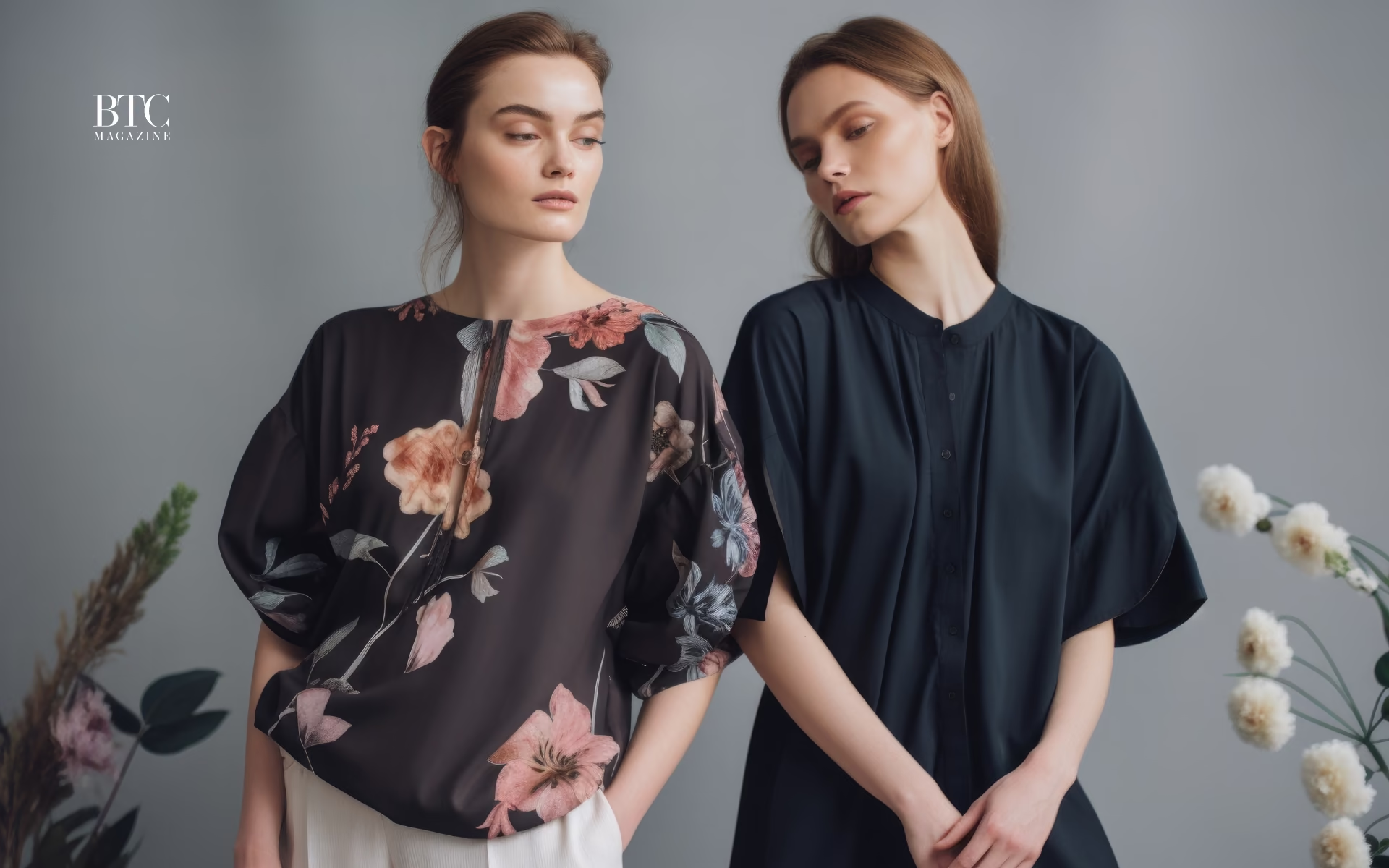
Luxury fashion is quietly changing. Increasingly, consumers aren't impressed by logos alone. They're asking different questions. Who made this? What materials were used? How long will it last? Can I still imagine wearing it five years from now? True luxury isn't excess. It's intention. A beautifully tailored coat worn for twenty winters creates less waste than twenty inexpensive coats discarded every season. Timelessness has become surprisingly modern.
Clothing Carries Memory
Some garments become impossible to throw away. The sweater was borrowed on a first date. Your mother's scarf. The jacket worn through university. Your grandfather's watch tucked inside a coat pocket. Their value has nothing to do with price. Emotion transforms ordinary objects into family archives. Fast fashion rarely survives long enough to collect memories. Well-made clothing often becomes part of them.
The New Definition of Style
Style has never been about owning the most. It's about knowing yourself. The most elegant wardrobes are often remarkably small. Every piece belongs. Everything works together. Nothing competes for attention. Confidence isn't found through constant consumption. It's built through consistency. Knowing what reflects who you are instead of chasing who social media suggests you should become.
Why Smaller Brands Matter
Some of today's most exciting fashion companies aren't enormous corporations. They're independent labels. Family businesses. Local designers. Artisans producing fewer pieces with greater care. Their garments often cost more initially. Yet they're designed to remain relevant long after seasonal trends disappear. When you know the people behind the label, the purchase changes. The clothing gains a story. And stories create attachment.
Beauty Should Feel Good Too
The same philosophy quietly extends beyond fashion. Luxury isn't simply something beautiful. It's something beautiful that aligns with your values. That idea is increasingly shaping beauty as well. Consumers want cosmetics that perform exceptionally without asking them to compromise on ethics. Vegan formulations. Cruelty-free testing. Thoughtfully sourced ingredients. Packaging that respects both product and planet. Brands like Papa & Filles embrace this new definition of luxury. Their philosophy begins with a simple belief:
Skin has no pronouns.
Beauty should never ask someone to become someone else. It should simply help them feel more like themselves. Alongside established luxury names, a new generation of independent beauty companies is proving that elegance, performance, and responsibility can comfortably exist together. Luxury is no longer measured only by price. It's measured by purpose.
Buying Less Can Feel Better
One unexpected consequence of choosing fewer, better things is gratitude. You notice them. You care for them. You repair them. You wear them repeatedly without apology. The excitement shifts from constant acquisition to lasting appreciation. Consumption becomes intentional rather than automatic. Ironically, owning less often feels richer.
The Wardrobe We Leave Behind
Every piece of clothing eventually tells one final story. Some end up in another person's wardrobe. Some are repaired for another generation. Others spend centuries inside landfills. The choices we make today quietly shape that ending. Fashion will always evolve. Trends will continue changing. Colors will come and go. But perhaps the future of style isn't about keeping up. Perhaps it's about slowing down long enough to ask whether what we're buying deserves a place in our lives. Because the true cost of what we wear is rarely printed on the price tag. It's written in the hands that made it. The resources that created it. The years it survives. And the values we choose to wear alongside it.

.webp)
Comments
No comments yet
No comments to show yet. Subscribe to join the conversation.
Log in or subscribe to comment on this article.