Eat more fibre, beans, oily fish, fermented foods and calcium-rich foods, and less ultra-processed food and alcohol. That's the anti-inflammatory plate for perimenopause. Its best evidence is for your long-term heart and bone health. It won't stop hot flashes, and it isn't a diet. Here's what each food does, what the research actually says, and where food stops and your doctor starts.
Why does everything hurt now?
You wake up stiff. Your knees complain on the stairs. You lose a word halfway through a sentence. You're not imagining it, and it's not "just getting older."
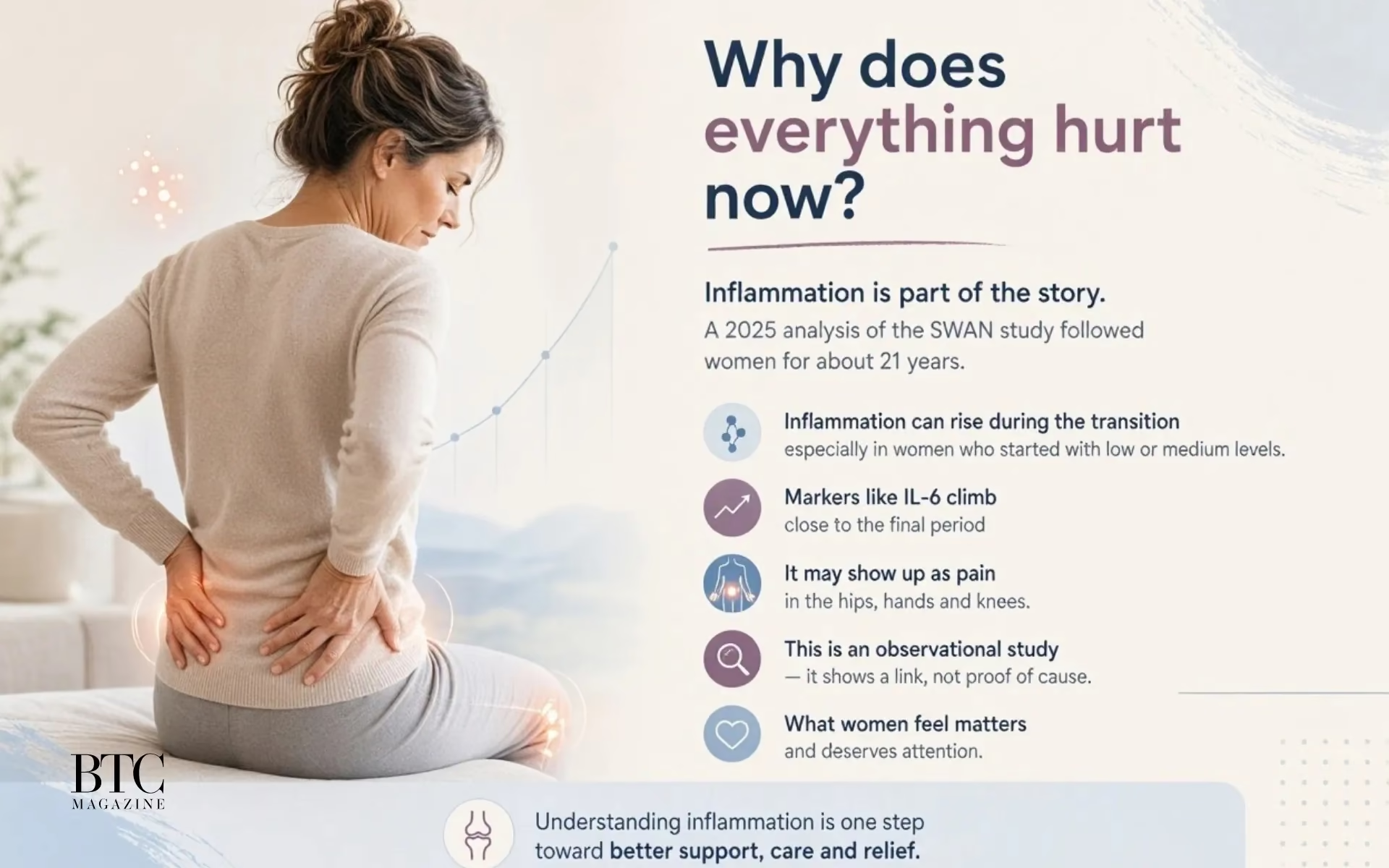
A 2024 review in Climacteric gave it a name: the musculoskeletal syndrome of menopause. That's joint pain, muscle loss, bone loss and worsening arthritis, all linked to losing estrogen. The authors estimate more than 70% of women get these symptoms through the transition, and 25% are disabled by them.
Inflammation is part of the story. A 2025 analysis of the SWAN study followed women for about 21 years. Women who started the transition with low or medium inflammation saw markers like IL-6 climb close to their final period. It's an observational study, so it shows a link, not proof of cause. But it matches what millions of women feel in their hips, hands and knees.
You've got company. The Menopause Foundation of Canada estimates 10 million women in Canada are over 40. In its 2022 survey, 95% had menopause symptoms and 46% felt unprepared for them. Most women notice the changes in their late 40s or early 50s, and they can last six to eight years, per the SOGC.
Isn't this just another diet?
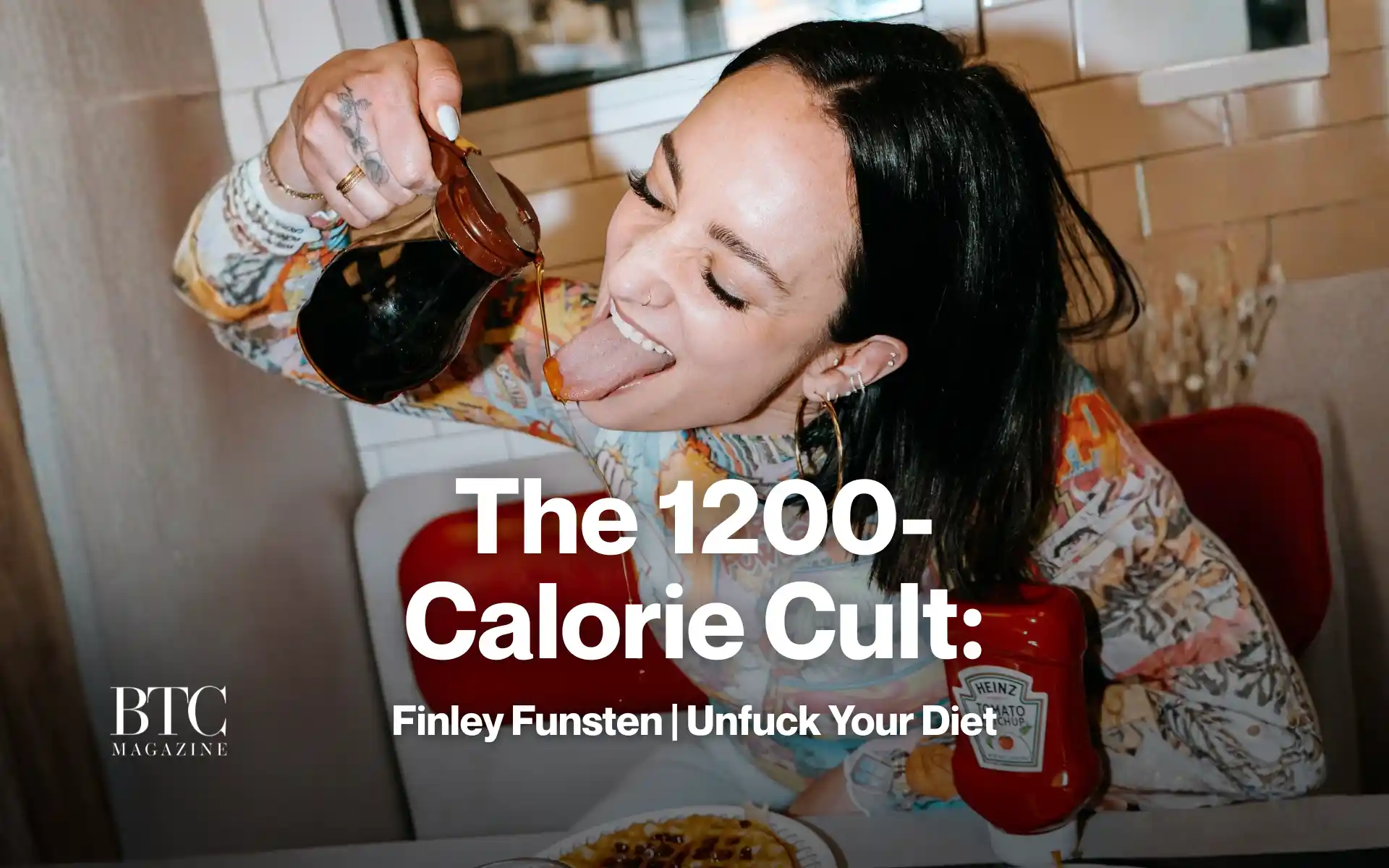
No, and don't let anyone sell it to you as one. Midlife is when diet culture comes back for you with "menopause belly" programs and 1,200-calorie plans. It's the same shrink-yourself pitch with a new label. You're already losing muscle at this stage, and your joints need it. We broke it down in The 1,200-Calorie Cult.
Anti-inflammatory eating is a pattern, not a plan. More whole plants, oily fish and good fats. Fewer ultra-processed foods. Over months and years, not a 21-day reset.
The closest thing to a proven template is the Mediterranean way of eating. The European Menopause and Andropause Society's 2020 position statement says it may help with blood pressure, cholesterol, blood sugar and mood. Most of that evidence comes from observational studies, so treat it as a strong nudge, not a promise.
What goes on the plate?
Six things, most days. No counting, no weighing.
Food | Why it earns a spot | Easy Canadian picks |
|---|
Fibre and pulses | Health Canada says most Canadians get only about half the fibre they need | Lentils, chickpeas, oats, barley, cabbage, frozen berries |
Oily fish | Canada's Food Guide lists it as a healthy fat | Canned sardines, salmon, trout, mackerel |
Protein at every meal | Muscle loss is part of the menopause picture | Eggs, Greek yogurt, tofu, beans, chicken |
Fermented foods | Lowered 19 inflammatory markers in a small Stanford trial | Plain yogurt, kefir, kimchi, sauerkraut |
Calcium-rich foods | Bone loss speeds up around menopause | Milk, fortified soy drink, sardines with bones, calcium-set tofu |
Olive or canola oil | Canada's Food Guide lists both as healthy oils | Whatever's in your pantry |
The fermented food surprise
In a 2021 Stanford study published in Cell, 36 healthy adults were split into two groups for 10 weeks. The group that worked up to about six servings of fermented foods a day saw 19 inflammatory proteins drop, including IL-6, the same marker that climbs in the SWAN data. The high-fibre group didn't.
It was small, and it wasn't about menopause. But yogurt, kefir and sauerkraut are cheap and easy. Want the gut-brain side of this? Read What My Gut Knew.
Eat the fish, skip the hype
Fish oil gets sold as a joint fix. A large US trial called VITAL tested that on 1,398 older adults with chronic knee pain for about five years. The fish oil didn't ease their pain. Oily fish still earns its place on the plate. Just don't expect it to work like a painkiller.
Heart and bones: the long game
Hot flashes fade. This part doesn't. The Menopause Foundation of Canada says women lose bone at about 2% a year, starting one to three years before menopause. One in three Canadian women will break a bone because of osteoporosis. And while one in eight women gets breast cancer, one in three develops heart disease.
The same eating pattern is linked to better heart and bone health, too. You're not eating for one symptom. You're eating for the next 40 years. For the full list of calcium foods, see Osteoporosis Canada's food chart, and for another mineral worth knowing, read why magnesium matters for women.
What should you eat less of?
Ultra-processed food and alcohol. You don't have to quit either. Small cuts add up.
Ultra-processed food. A 2025 McMaster University study looked at more than 6,000 Canadian adults. People who ate more ultra-processed food had higher C-reactive protein, a key inflammation marker, plus higher insulin and triglycerides. It's a snapshot, so it shows a link, not cause. Still, swapping one packaged snack a day for fruit, nuts or yogurt is an easy start.
Alcohol. Canada's Guidance on Alcohol and Health is blunt:
0 drinks a week: better health and better sleep
1 to 2 a week: low risk
3 to 6 a week: higher risk of several cancers, including breast cancer
7 or more a week: higher risk of heart disease and stroke
That nightly glass of wine to unwind? It might be why you're staring at the ceiling at 3 a.m.
What can't food fix?
Hot flashes, for one. You'll see endless "foods that stop hot flashes" lists. The research doesn't back them. The Menopause Society's 2023 statement on non-hormone treatments doesn't recommend soy, herbal supplements or diet changes to treat hot flashes. If they're running your life, that's a doctor conversation, not a grocery list. (Need a laugh first? Read Hot Flashes, Jalapeño Chips and the Hot Mess Express.)
Brain fog is real, and it usually passes. The SWAN study tracked 2,362 women aged 42 to 52. In UCLA's summary of the findings, women didn't improve as much on memory and processing-speed tests during perimenopause. Their learning bounced back after menopause.
If symptoms are wrecking your sleep, your work or your relationships, you need care, not a better salad.
How do you get taken seriously in Canada?
Go in ready, because the system won't hand it to you. The Menopause Foundation of Canada says about 5.4 million Canadians don't have a regular health provider. In its 2022 survey, fewer than one in four women said their family doctor brought up menopause first, and four in 10 felt their symptoms were undertreated.
Track your symptoms for a few weeks. The foundation's free symptom tracker, on its website, is endorsed by the Canadian Menopause Society. You sign up with your email to get it.
Write down your worst three and how they mess with your day.
No family doctor? Try the find a physician tool on the foundation's website or a virtual menopause clinic.
This stage isn't an ending. As we wrote in Menopause as a Shift, Not an End, it's a change, and you deserve real support through it. If groceries are eating your budget, our winter guide to anti-inflammatory eating on a budget in Canada shows how to build this plate for less. Find more in our Anti-Inflammatory Diet collection and the wider Health & Wellness section.
Want more real talk on women's health, without the wellness fluff? Get the BTC newsletter.









Comments
No comments yet
No comments to show yet. Subscribe to join the conversation.
Log in or subscribe to comment on this article.