There is a particular kind of silence that only exists after the first bite of a meal made with ingredients pulled from the ground a few hours earlier.
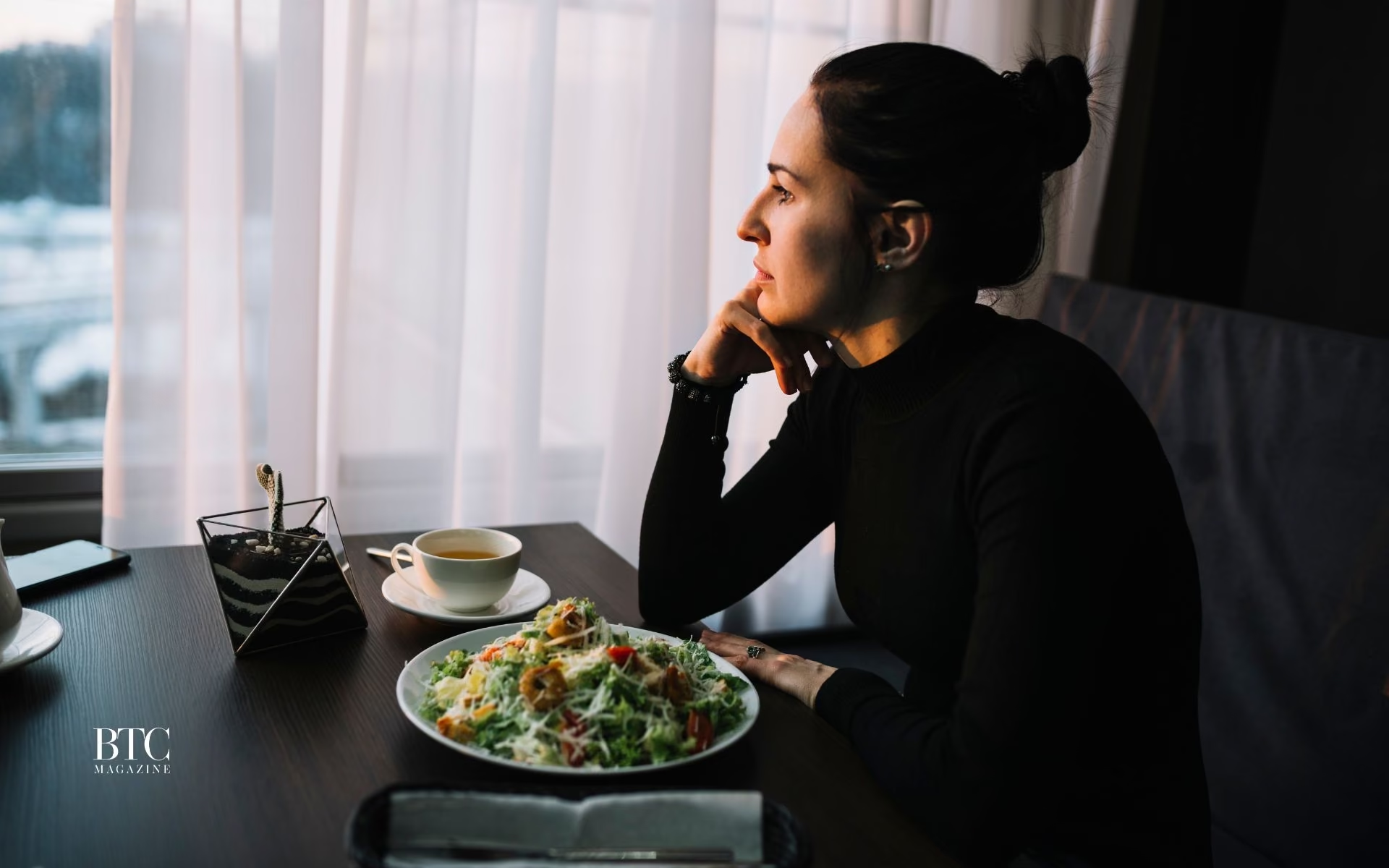
No phones. No rush to post the perfect photo. No conversation fighting for attention. Just the quiet realization that somewhere along the way, eating became something we squeezed between meetings instead of something we experienced.
For many of us, food has become fuel, entertainment, stress relief, or convenience. Rarely is it a ritual.
That is exactly why culinary retreats are quietly becoming one of the most meaningful forms of travel.
They aren't about collecting Michelin stars or checking restaurants off a bucket list. They're about slowing down enough to remember that every meal has a story, every ingredient comes from somewhere, and every culture expresses itself first through its table.
You don't return home simply knowing how to make fresh pasta or ferment vegetables.
You return eating differently because you've started paying attention.
When Food Stops Being a Checklist
Most vacations revolve around seeing as much as possible.
Wake up early.
Visit three museums.
Walk six neighborhoods.
Take a hundred photos.
Find the restaurant TikTok recommended.
Then fly home exhausted.
Culinary retreats ask a different question.
What if instead of seeing more, you experienced more?
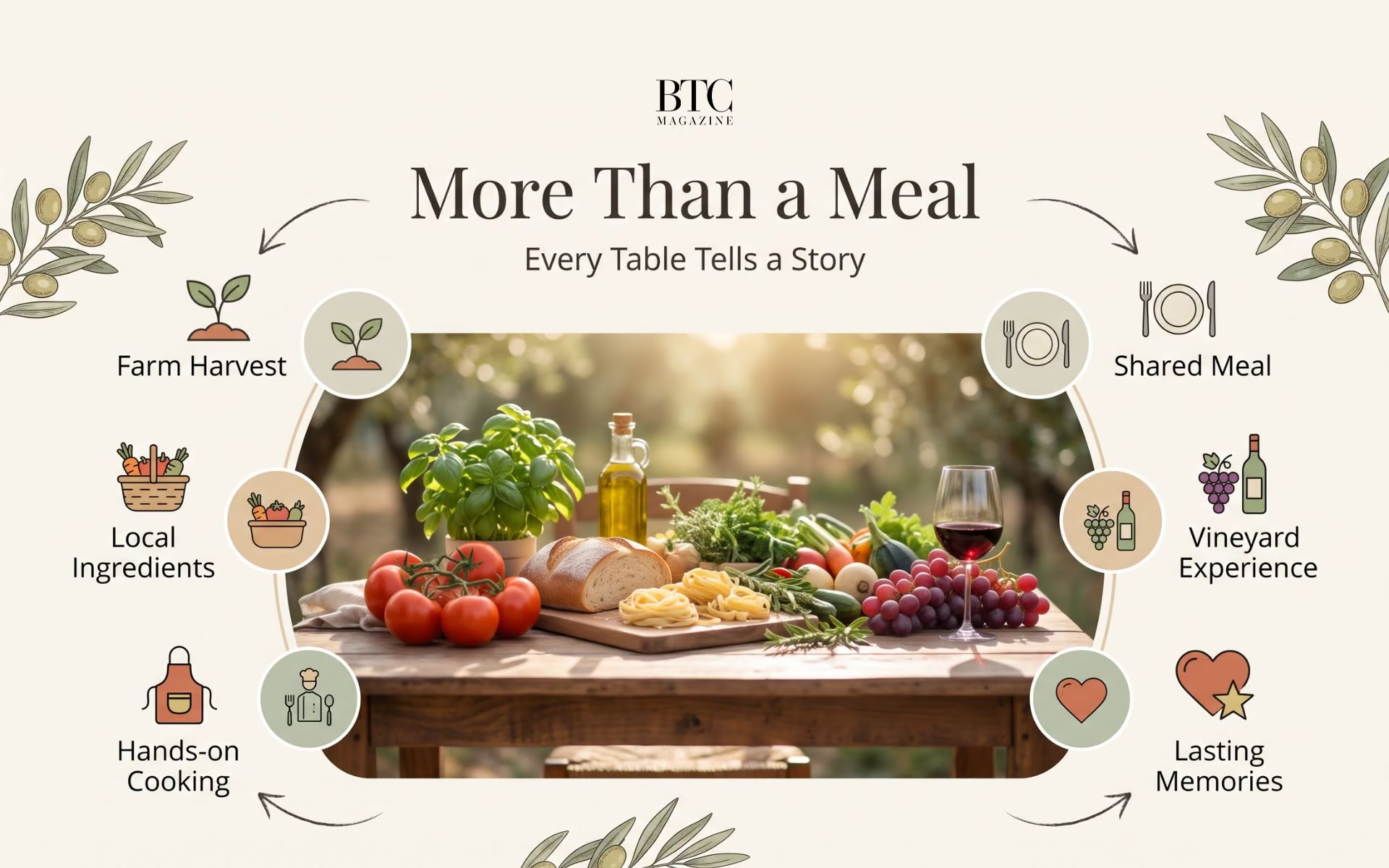
Instead of rushing through Tuscany, imagine spending an entire morning harvesting tomatoes under the Italian sun. Your lunch isn't waiting in a restaurant. It's waiting in the garden.
You pick the basil yourself.
The olive oil comes from trees that have stood there longer than your country has existed.
The woman teaching you to make pasta doesn't measure ingredients. She measures by memory.
Somewhere between kneading dough and drinking local wine, you realize you've stopped checking the time.
That's rare.
And increasingly valuable.
Every Culture Leaves Its Heart in the Kitchen
Long before history books were written, recipes carried family histories.
Migration changed ingredients.
Wars changed techniques.
Trade routes introduced spices.
Grandmothers became historians without realizing it.
A proper culinary retreat teaches this without ever feeling like a history lesson.
In Japan, you learn why knife skills are considered a form of respect.
In Mexico, you discover that mole isn't a recipe—it's generations of adaptation.
In Morocco, bread isn't simply served. It's shared.
In Greece, meals stretch for hours because conversation is considered part of the recipe.
Food becomes anthropology you can taste.
Luxury Isn't Always Expensive
For years, luxury travel meant marble lobbies, infinity pools, and butlers who remembered your name.
Today's travelers are redefining luxury.
Luxury is time.
Luxury is attention.
Luxury is authenticity.
A family-owned vineyard in Portugal may leave a bigger impression than the most expensive hotel in Paris.
A cooking class in a farmhouse in Sicily may become the highlight of an entire European vacation.
Luxury isn't necessarily five stars anymore.
Sometimes it's five generations.
Learning With Your Hands
There is something deeply satisfying about making food yourself.
Our hands were designed to create.
Yet modern life rarely asks us to.
We type.
We swipe.
We click.
We order.
Cooking reconnects us to something surprisingly ancient.
Rolling pasta by hand.
Grinding spices.
Shaping bread.
Cleaning fresh herbs.
These small acts force us to slow down because they cannot be rushed.
And slowing down is becoming one of the rarest experiences available.
The Rise of Farm-to-Table Travel
One of the biggest shifts in culinary tourism is the movement toward farms instead of restaurants.
Travelers increasingly want to know:
Where was this grown?
Who raised it?
How was it harvested?
What season is it?
A farm teaches gratitude better than any motivational speaker.
Watching someone spend months growing vegetables changes how casually you scrape leftovers into the garbage.
Understanding how difficult olive harvesting can be makes every bottle feel different.
The experience quietly changes your relationship with waste.
Not because someone lectures you.
Because you've seen the work.
Wine Tastes Different When You Know the Winemaker
Anyone can buy a bottle of wine.
Few people remember the person who made it.
Culinary retreats often include intimate vineyard experiences where the conversation becomes more memorable than the tasting.
You hear about unpredictable weather.
Late frosts.
Generations of family decisions.
Failed harvests.
The bottle in your hand stops being a product.
It becomes a story.
And stories always taste better.
Wellness Begins at the Table
We often separate wellness from food.
One belongs in the spa.
The other belongs in the kitchen.
Many cultures never made that distinction.
Mediterranean villages aren't famous for longevity because they count calories.
They're famous because meals happen slowly.
Fresh ingredients dominate.
Walking is normal.
Conversation accompanies dinner.
Community reduces stress.
The meal becomes medicine long before medicine is needed.
A good culinary retreat doesn't simply teach recipes.
It teaches rhythm.
Why We Remember Meals Better Than Museums
Years after a trip, most people forget admission tickets.
They rarely forget extraordinary meals.
You might struggle to remember the exact date you visited Florence.
But you'll remember eating fresh truffle pasta in a tiny restaurant where the owner refused to let you leave without dessert.
You'll remember making sushi beside a chef who'd been perfecting rice for forty years.
You'll remember laughing over homemade ravioli while flour covered everyone at the table.
Food anchors memory.
Science has long connected smell and taste with emotional recall.
Travel simply amplifies it.
Cooking Together Builds Something Different
One unexpected benefit of culinary retreats is what happens between travelers.
Cooking removes hierarchy.
Nobody cares what your job title is.
Everyone struggles with pastry dough.
Everyone burns something eventually.
Everyone laughs when fresh pasta sticks together.
Strangers become teammates surprisingly quickly.
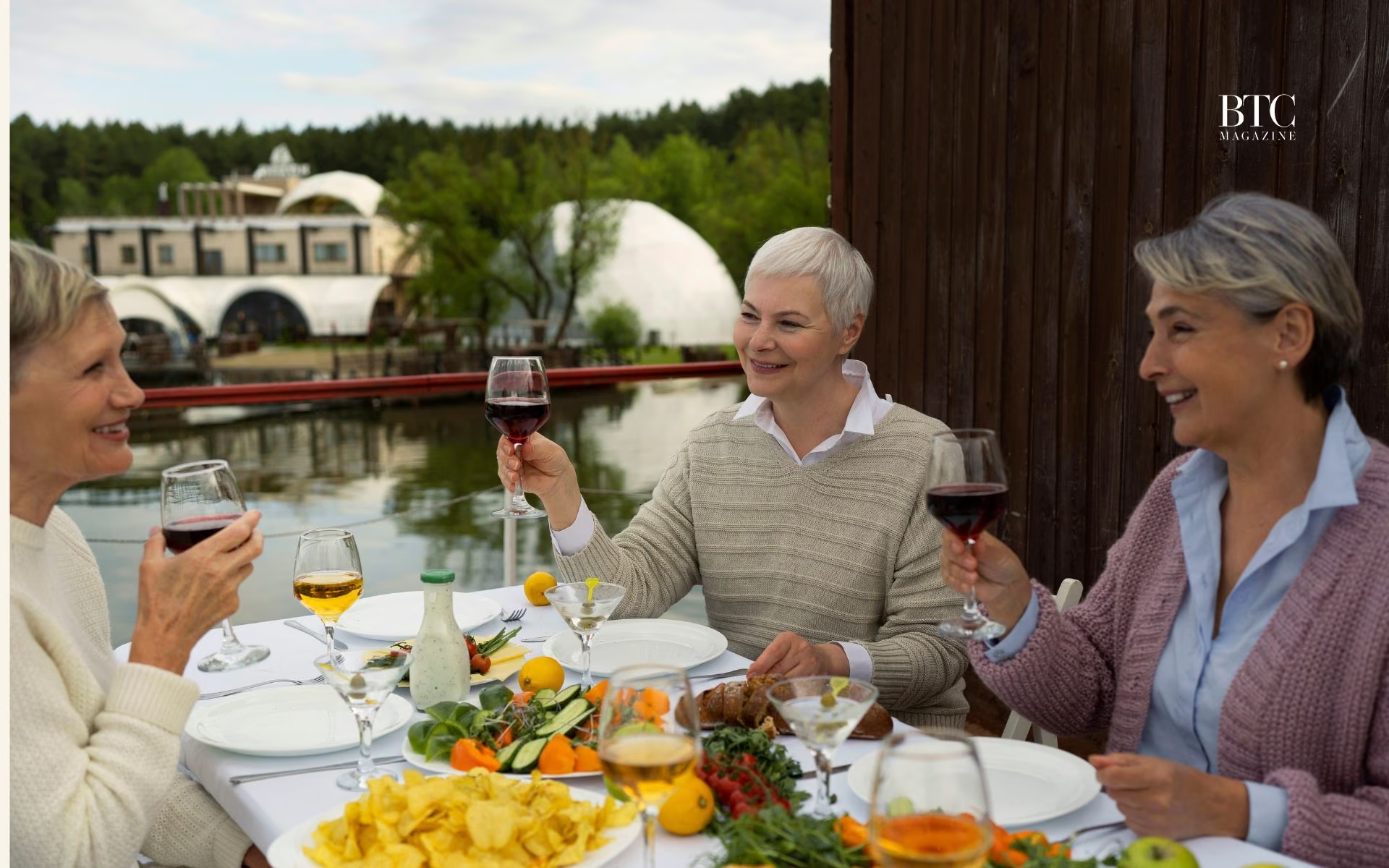
By dinner, people who met that morning are sharing stories as though they've known one another for years.
Food has always been one of humanity's oldest social technologies.
We simply forgot.
Bringing the Experience Home
The greatest souvenir from a culinary retreat isn't olive oil or spices.
It's confidence.
You return home making slower dinners.
Buying local produce.
Hosting friends more often.
Trying unfamiliar ingredients.
Creating rituals instead of routines.
The recipes become secondary.
The mindset stays.
That may be the greatest gift travel can offer.
A Different Way to Measure a Journey
Travel has always promised transformation.
Sometimes it delivers.
Sometimes it simply delivers photographs.
Culinary retreats belong to a different category entirely.
They don't ask you to consume a destination.
They invite you into it.
Into its kitchens.
Its farms.
Its family tables.
Its traditions.
Its conversations.
And perhaps most importantly, into its pace.
Because somewhere between the bread rising on the counter, the herbs drying in the afternoon sun, and the final glass of wine shared with people who were strangers only days before, you remember something modern life almost convinced you to forget.
The best meals don't simply fill you.
They change you.
And sometimes, the most unforgettable destination isn't a place on the map.
It's the table waiting for you when you finally slow down enough to sit.


Comments
No comments yet
No comments to show yet. Subscribe to join the conversation.
Log in or subscribe to comment on this article.