Choosing a bottle of wine shouldn't feel like a pop quiz, yet it often does. You've probably stood in the wine aisle staring at dozens of bottles, picked one because the label looked pretty, and hoped it would work with dinner. We've all been there. I used to think wine pairing required a sommelier certificate. (I learned this the hard way.) A friend of mine once spent forty minutes googling "what wine goes with salmon" while her fish got cold. She ended up drinking water. The salmon deserved better.
Here's the thing nobody tells you. Wine pairing isn't about rules. It's about pleasure. It's about making your Tuesday night spaghetti taste like a tiny celebration. It's about not needing a PhD to enjoy your glass.
You don't need to memorise regions. You don't need to know French. You just need a few simple tricks. This guide breaks down wine pairing into bite-sized pieces. You'll learn what actually matters. You'll learn how to relax and enjoy it. No corkscrew required to read this. Just an open mind and a thirsty heart.
Why We Overthink Wine Pairing
The "Rules" That Scare Us
You've probably heard the classics. Red wine with red meat. White wine with fish. Only rosé in summer. Only champagne for celebrations. These rules sound official. They sound ancient. They mostly just stress you out. Sommeliers on TV make it look complicated. They swirl. They sniff. They use words like "terroir" and "tannins." You watch them and think, "I'll never know that much." You don't need to. Really. Wine pairing at home isn't a test. It's dinner.
What Actually Matters
Here's what actually matters. Does the wine taste good to you? Does it make your food taste better? That's it. That's the whole game. Think about weight. Light food wants light wine. Heavy food wants something with backbone. Think about flavour. Spicy food loves something sweet or crisp. Salty food loves bubbles. These aren't rules. They're starting points. You can break them whenever you want.
Letting Go of Perfection
I once served a bold Shiraz with a delicate fish. (Yes, I'm speaking from experience.) Did the wine police show up? Nope. Did we still have a great dinner? Absolutely. Perfection is the enemy of pleasure. Your wine pairing doesn't need to impress a critic. It needs to make you happy. That's the only standard that counts.
The Simple Formula for Easy Wine Pairing
Light Food, Light Wine
Think about your plate. Is it fresh? Is it simple? Is it mostly vegetables or white meat? Reach for something light. Pinot Grigio works here. So does Sauvignon Blanc. A light Pinot Noir plays nicely too. You want the wine to dance with your food. Not wrestle it. A simple salad with lemon dressing? A crisp white. Grilled chicken with herbs? A light red. Steamed fish with butter? Something delicate and mineral. This is easy wine pairing at its finest. No stress. Just match the mood.
Rich Food, Rich Wine
Now flip it. Is your plate heavy? Creamy? Meaty? You need a wine that can stand up to it. A buttery Chardonnay loves creamy pasta. A bold Cabernet Sauvignon cuts through a juicy steak. A rich Merlot hugs a lamb chop like an old friend. The wine needs presence. You shouldn't lose it between bites. That's the whole trick for this kind of food pairing.
Acid Loves Acid
Here's a secret weapon. Acid in wine loves acid in food. It's like they high-five each other. Tomato sauce is acidic. So is Sauvignon Blanc. Pair them together and magic happens. Lemon chicken meets Riesling and suddenly both taste brighter. If your food has tang, zip, or citrus, reach for a wine with good acidity. It'll wake everything up. Your taste buds will thank you.
Wine Pairing for Weeknight Dinners
Pasta Night
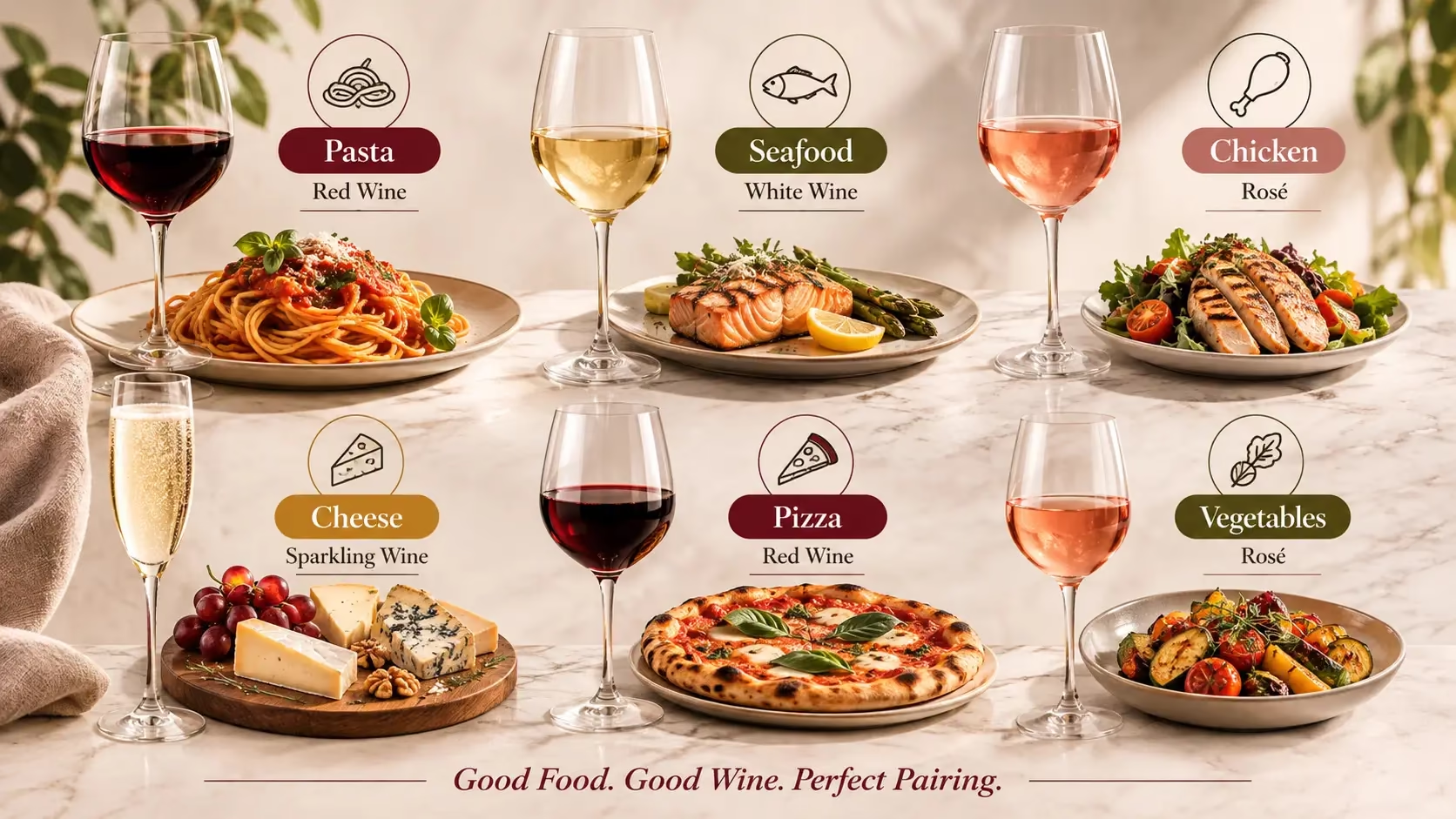
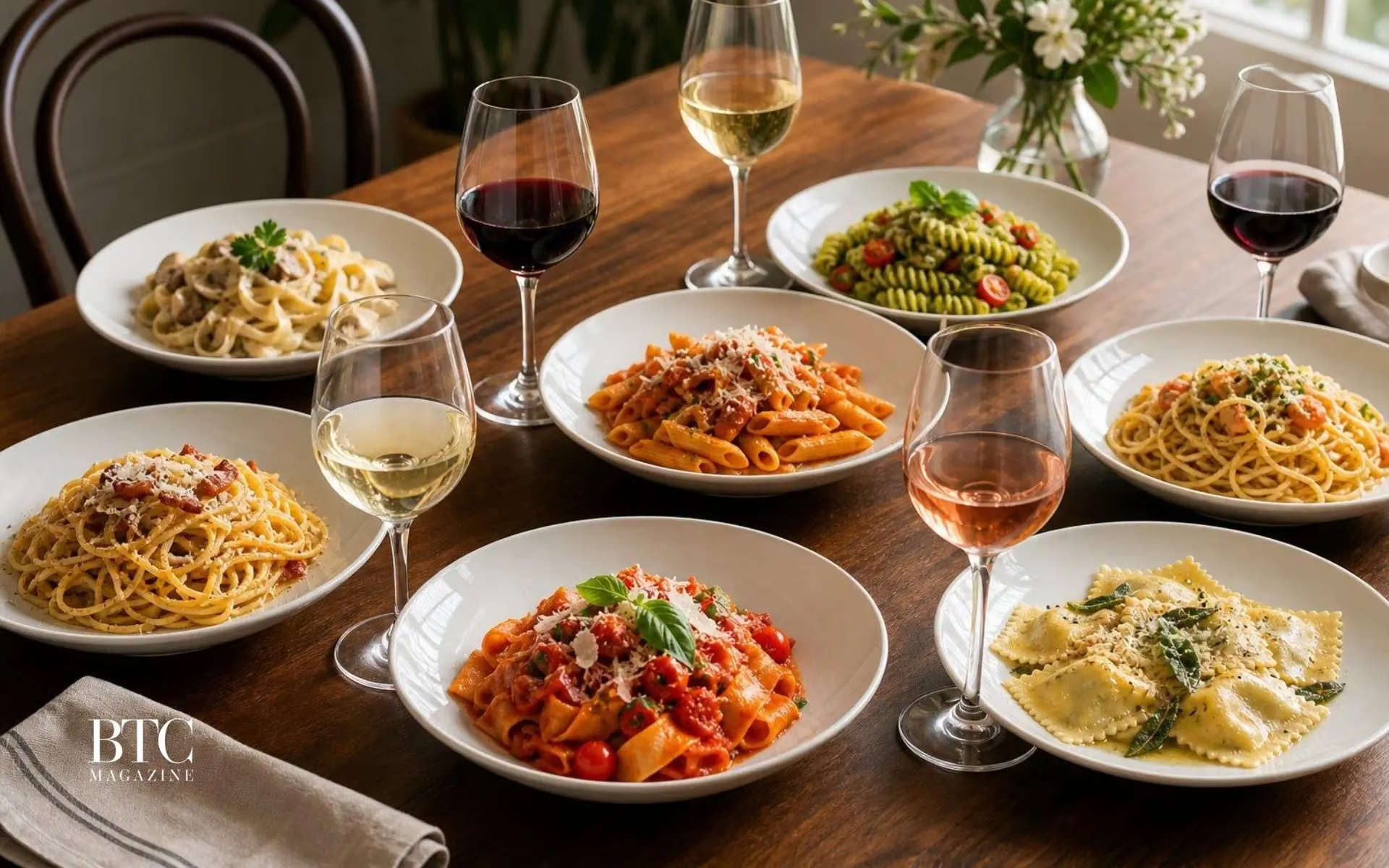
Tuesday night. Box of pasta. Jar of sauce. Maybe you added extra garlic. Maybe you didn't. For tomato-based sauces, grab a Chianti or a Zinfandel. The acid in the wine matches the tomatoes. The fruitiness plays nice with the herbs. For cream-based sauces, try a white with some body. An oaked Chardonnay or a Viognier works beautifully. The creaminess meets its match. For pesto, go herbal. A Sauvignon Blanc or a light Pinot Noir complements the basil. These are the dinner ideas that make pasta night feel special.
Chicken Dinner
Chicken is a blank canvas. That's good news. It means almost any wine works. Roasted chicken with herbs? A medium-bodied red like Grenache. Chicken in a creamy mushroom sauce? A rich white like Chardonnay. Grilled chicken with lemon? A crisp rosé or a Pinot Grigio. The key is matching the preparation. Not the protein. Think about the sauce. Think about the seasoning. That's your wine pairing clue.
Fish or Seafood
You've probably heard white wine with fish. It's not wrong. But it's not the whole story. Delicate white fish like sole or tilapia loves a light white. Think Pinot Grigio or Albariño. But salmon? It can handle a light red. A Pinot Noir works beautifully. Grilled shrimp with spice? Try a Riesling. The sweetness cools the heat. Oysters? Champagne or Muscadet. The brine meets the bubbles and something wonderful happens.
Salad Nights
Salad can be tricky. The vinegar in your dressing fights with some wines. But don't panic. Go crisp. Go acidic. A Sauvignon Blanc or a dry rosé can handle vinaigrette. If your salad has goat cheese, try a Sancerre. The pairing is classic for a reason. Avoid heavy reds here. They'll taste flat against all that freshness. Keep it light. Keep it zippy.
Pairing Wine With Family Meals
Sunday Roasts
There's something sacred about a Sunday roast. The house smells like rosemary. The table is crowded. Everyone talks over each other. For beef or lamb, reach for Cabernet Sauvignon or Malbec. Something with tannins. The fat in the meat softens the wine. The wine cuts through the richness. For pork, try a medium red like Merlot. Or go white with an oaked Chardonnay if you prefer. There's no wrong answer at the family table. These family meals deserve a wine that brings people together. Not one that starts a debate.
Big Pasta Bakes
Lasagna. Baked ziti. Mac and cheese for grown-ups. These dishes are heavy. They're cheesy. They're comforting. You need a wine that can compete. A Barbera or a Sangiovese works with tomato-based bakes. A rich white like Roussanne plays nice with cream-based ones. The goal is balance. You don't want the wine to disappear. You don't want it to shout. You want it to join the party.
Casual Entertaining
Maybe you're hosting your sister and her kids. Maybe it's book club. Maybe it's just a Friday night with friends. Keep it simple. Offer one red and one white. Let people choose. Don't apologise for your selections. Confidence tastes better than any vintage. Casual entertaining isn't about impressing anyone. It's about sharing. The wine is just a delicious prop.
Easy Wine Pairing for Casual Entertaining
Hosting Without Stress
Here's my rule. If I'm cooking, I'm not overthinking the wine. I've got enough to worry about. Pick two bottles. One red. One white. Make sure they're crowd-pleasers. A Pinot Noir and a Sauvignon Blanc cover most bases. Add a sparkling rosé if you're feeling fancy. Pour generously. Laugh loudly. The wine pairing takes care of itself when the company is good.
One Red, One White, One Surprise
This is my go-to formula. One safe red. One safe white. One wildcard. The wildcard might be a funky natural wine. It might be a sparkling Shiraz. It might be an orange wine that starts conversations. Not everyone will love it. That's okay. The point is exploration. The point is fun. Home dining should feel like an adventure, not a lecture.
Let Guests Explore
Stop apologising for your wine. Stop explaining the vintage. Just pour it. Let your guests discover what they like. Let them try the red with the fish. Let them mix and match. Some of the best wine with food discoveries happen by accident. Your job is to create a warm table. Not a classroom. What to Do When You Don't Know What's for Dinner
Keep a Few Go-To Bottles
Life is chaotic. You don't always know what's for dinner at noon. That's fine. Keep a few versatile bottles on hand. A crisp Sauvignon Blanc. A fruity Pinot Noir. A dry rosé that works with almost anything. These are your safety nets. When in doubt, rosé. It bridges the gap between red and white. It handles spice. It handles cream. It's the Swiss Army knife of wine pairing.
The "Anything Goes" Wines
Some wines play well with everything. Riesling is one of them. Especially the off-dry styles. The sweetness balances heat. The acid cuts through fat. Sparkling wine is another hero. Bubbles cleanse your palate. They refresh your mouth between bites. Champagne isn't just for celebrations. It's for Tuesday. Grenache-based reds are friendly too. They're fruity. They're low in tannins. They won't fight your food.
Trust Your Taste
At the end of the day, you know what you like. Trust that. If you love big reds, drink them with fish. If you only drink white, pour it with steak. The wine pairing police don't exist. Your pleasure is the only metric that matters. Experiment. Fail. Try again. That's how you learn. That's how you find your favourites.
Wine With Food – A Quick Cheat Sheet
Red Wines
Cabernet Sauvignon loves steak. It loves lamb. It loves anything with fat and char. Pinot Noir is your flexible friend. It works with salmon. It works with chicken. It even works with mushroom risotto. Merlot is softer. It's crowd-pleasing. It loves pork. It loves pasta with meat sauce. Shiraz or Syrah brings spice. It loves barbecue. It loves pepper-crusted anything.
White Wines
Chardonnay ranges from crisp to buttery. The crisp ones love oysters. The buttery ones love lobster and cream. Sauvignon Blanc is your salad hero. It loves goat cheese. It loves herbs. It loves anything green and zippy. Riesling is the diplomat. Off-dry styles handle spice. Dry styles handle delicate fish. Pinot Grigio is your easy drinking option. It loves light pasta. It loves antipasto. It loves not being overthought.
Rosé and Sparkling
Rosé is the ultimate flexible wine. It handles everything from grilled vegetables to roast chicken. It works in summer. It works in winter. It just works. Sparkling wine isn't only for toasts. It loves fried food. It loves salty snacks. It loves making any night feel like a party. Prosecco is affordable and friendly. Cava is crisp and dry. Champagne is always a good idea.
Conclusion
You don't need a sommelier certificate to enjoy wine. You don't need to memorise regions or vintages. You just need curiosity and a willingness to experiment. Wine pairing isn't a test. It's a conversation between your glass and your plate. Sometimes they agree. Sometimes they surprise you. Both outcomes are worth celebrating.
Whether you're cooking for one or hosting ten. Whether it's Tuesday spaghetti or Sunday roast. The principles stay the same. Match the weight. Trust your taste. Relax and enjoy. Start tonight. Open whatever bottle you have. Pour it with dinner. Pay attention to how it feels. That's your first lesson. That's your beginning. You've got this. Now go pour something delicious.









Comments
No comments yet
No comments to show yet. Subscribe to join the conversation.
Log in or subscribe to comment on this article.