The Art of Pairing Wine Without Pretending to Be a Sommelier
There is a certain kind of person who can swirl a glass of wine, inhale deeply, and confidently announce that they're detecting "wet slate," "forest floor," and "a whisper of tobacco." Good for them. The rest of us are just trying to figure out whether the chicken goes with the red or the white. Wine has spent decades wrapped in unnecessary ceremony. Somewhere between French pronunciation lessons and encyclopedic tasting notes, many people quietly decided wine wasn't for them. That's a shame. Because pairing wine isn't about impressing the table. It's about making dinner taste better. Once you stop worrying about saying the wrong thing, wine becomes exactly what it was always meant to be: another ingredient in the meal.
Forget the Rules You Thought You Knew
Most people have heard at least one of these: White wine with fish. Red wine with steak. Never chill red wine. Only expensive wine is worth drinking. They're simple. They're memorable. They're also incomplete. Today's chefs break these rules every night. A rich salmon with Pinot Noir can be spectacular. Champagne pairs beautifully with fried chicken. A lightly chilled Gamay can be perfect on a summer patio. Some of the world's most enjoyable wines cost less than dinner. Wine doesn't care about tradition nearly as much as people do.
Start With Weight, Not Colour
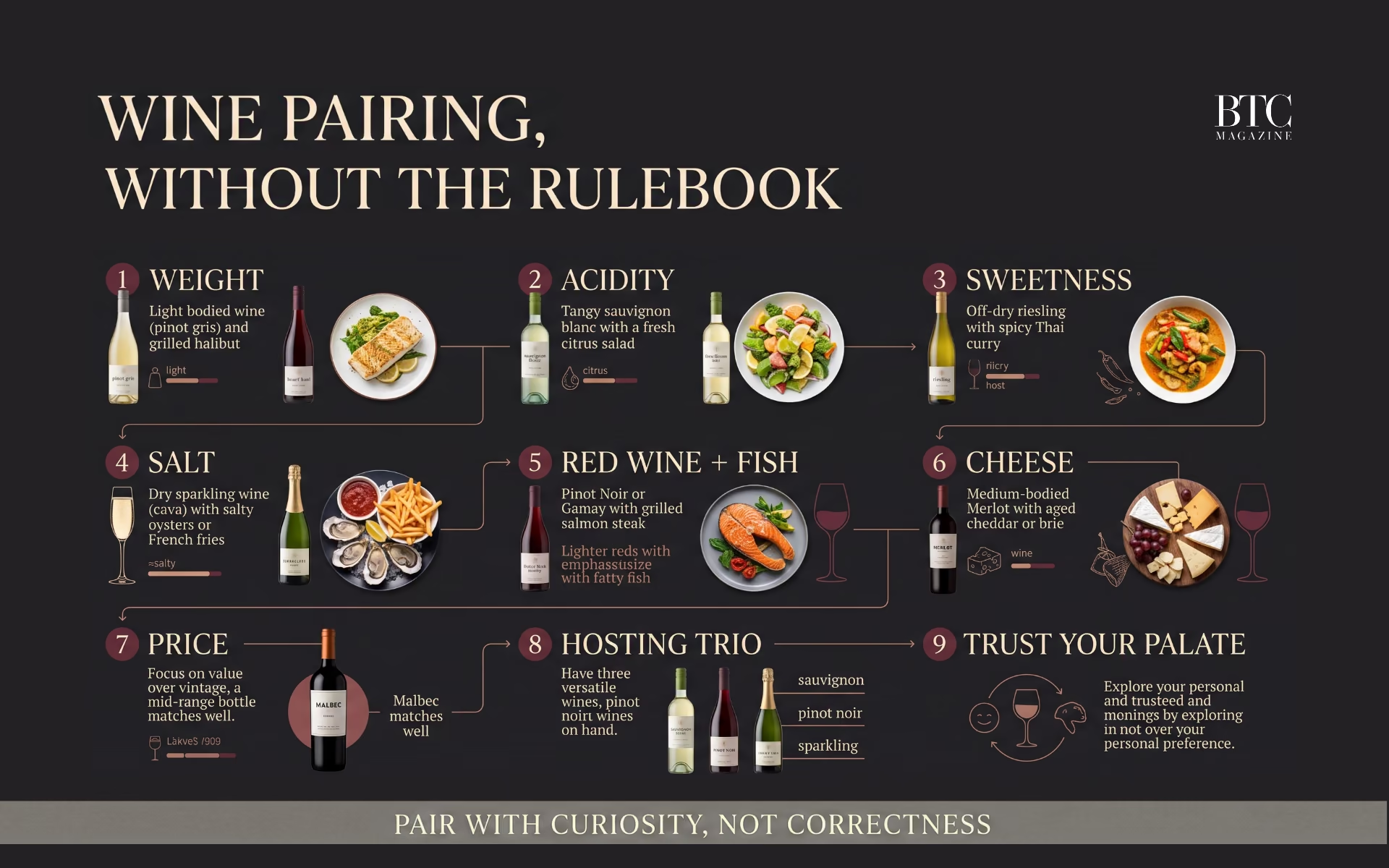
The easiest way to pair wine isn't by colour. It's by weight. Think about food the way you think about clothing. A heavy winter coat doesn't make much sense at the beach. Neither does a delicate white wine beside a slow-smoked brisket. Light meals generally prefer lighter wines. Rich meals appreciate fuller-bodied wines. It's less about rules and more about balance. A simple grilled fish feels comfortable beside Sauvignon Blanc. A creamy mushroom risotto welcomes Chardonnay. Braised short ribs practically ask for Cabernet Sauvignon. You're looking for conversation, not competition. Neither the wine nor the food should dominate the other.
Acidity Is Your Best Friend
If there is one concept worth remembering, it's acidity. Acid keeps wine fresh. It cuts through richness. It wakes up your palate. Imagine squeezing fresh lemon over grilled seafood. Wine can accomplish the same thing. That's why crisp wines often pair beautifully with buttery dishes, creamy sauces, seafood, and fresh cheeses. They refresh your mouth between every bite. Without acidity, rich food becomes heavy. With it, dinner keeps inviting you back for another forkful.
Sweetness Loves Heat
Spicy food intimidates many wine drinkers. It shouldn't. Instead of reaching for bold reds, consider wines with a touch of sweetness. Riesling. Gewürztraminer. Off-dry Chenin Blanc. That subtle sweetness calms heat while allowing spices to remain expressive rather than overwhelming. It's why many Asian cuisines pair so naturally with aromatic white wines. The goal isn't to remove spice. It's to keep it balanced.
Salt Makes Wine Better
One of the happiest discoveries in food and wine is what salt does to a glass. Prosciutto. Parmesan. Olives. Oysters. French fries. Yes, even French fries. Salty foods soften tannins, brighten fruit flavours, and often make wines seem more generous. It's one reason charcuterie boards have become such reliable companions for wine nights. Little effort. Maximum reward.
Don't Fear Red Wine With Fish
This rule deserves retiring. Fish isn't the deciding factor. Preparation is. Delicate poached cod may prefer a mineral-driven white. But grilled tuna? Roasted salmon? Charred swordfish? Those dishes often become extraordinary beside lighter reds like Pinot Noir. Cooking changes everything. A grill introduces smoke. Butter adds richness. Herbs shift flavour. Pair the preparation, not simply the protein.
Cheese Doesn't Have to Wait Until Dessert
Some of the world's best wine experiences involve nothing more than bread, cheese, and conversation. Soft Brie pairs beautifully with sparkling wine. Aged cheddar loves Cabernet Sauvignon. Goat cheese shines beside Sauvignon Blanc. Blue cheese almost demands sweet wines like Port or late-harvest Riesling. There are endless possibilities. Fortunately, cheese is remarkably forgiving. Even when the pairing isn't perfect, everyone still seems happy.
You Don't Need an Expensive Bottle
One of the biggest misconceptions about wine is that quality starts at a high price. It doesn't. Many excellent wines are produced specifically for everyday meals. The difference often isn't quality. It's rarity. Older vintages. Limited production. Prestigious regions. Luxury branding. All of those increase price without necessarily increasing enjoyment. The best bottle is often the one you'll actually open. Wine kept waiting for a "special occasion" frequently becomes forgotten. Tuesday deserves good wine too.
Hosting Without Overthinking
If friends are coming for dinner, simplify. Instead of trying to find one perfect bottle, offer variety. A crisp white. A versatile Pinot Noir. A sparkling wine. Most meals will comfortably fit somewhere within those three choices. Guests appreciate having options far more than hearing a lecture about vineyard elevations. Wine should encourage conversation. Not interrupt it.
Trust Your Own Taste
Perhaps the most liberating lesson about wine is this: Nobody drinks through your palate except you. Experts can recommend. Friends can suggest. Restaurants can guide. But if you genuinely enjoy Chardonnay with pizza or rosé beside barbecue, then congratulations. You've found your pairing. Taste remains deeply personal. Confidence comes from curiosity, not correctness.
The Joy of Experimenting
The most memorable pairings are often accidental. A bottle opened because it was already in the fridge. A restaurant recommendation. A friend's unexpected suggestion. Curiosity creates better wine drinkers than memorization ever will. The more combinations you try, the more you begin noticing patterns. Certain wines make seafood sparkle. Others soften rich meats. Some disappear beside spicy dishes. Others become unforgettable. That's education. And it happens one dinner at a time.
Wine Was Never Meant to Be Intimidating
For centuries, wine wasn't reserved for experts. It sat at family tables. It accompanied ordinary meals. It marked celebrations, conversations, quiet evenings, and everyday life. Only recently did it become something people felt they needed permission to understand. The truth is surprisingly simple. Drink what you enjoy. Stay curious. Taste often. Ignore anyone trying to make you feel inadequate because you can't identify notes of graphite or crushed violets. If your dinner tastes better. If your conversation lasts longer. If the bottle ends with laughter instead of anxiety about whether you served the "right" wine— Then you've paired it perfectly. Because the finest wine pairing isn't the one that earns approval from a sommelier. It's the one that makes everyone reluctant to leave the table.


.webp)
.webp)

Comments
No comments yet
No comments to show yet. Subscribe to join the conversation.
Log in or subscribe to comment on this article.