Let's be real: you've probably Googled "skincare routine for your skin type" at 11 p.m., three tabs deep, and come out more confused than when you started. Most guides hand you one generic routine and call it done , as if oily skin, dry skin, and sensitive skin all need the same five products in the same order. They don't. (I learned this the hard way, using a mattifying gel moisturizer through a Canadian February and wondering why my skin felt like paper by week two.)
Here's the gap we're closing: your skincare routine should be built around your actual skin type, not a one-size-fits-all checklist copied from a US beauty blog that's never dealt with our winters, our melanin-rich skin, or what your skin does at 45 versus 25. This guide breaks down exactly how a routine should look for each major skin type , what to prioritize, what to use, and what mistakes to skip , so you can build one that actually works for you.
Why Skin Type Matters More Than Any Single Product
Truth is, the "best" cleanser or serum doesn't exist in a vacuum. A product that's a holy grail for dry skin can trigger breakouts on oily skin, and an oil-control formula built for shine can leave sensitive or dry skin raw and irritated. Building a routine around your skin type , not around whatever's trending , is what actually gets you results. Dermatologists consistently point to this as the foundation of effective skincare: match the product to the skin, not the skin to the product.
Understanding Your Skin Type (Quick Recap)
Before building your routine, you'll want a clear sense of whether you lean dry, oily, combination, sensitive, or normal. If you're not sure, we've got a full guide dedicated to identifying your skin type , worth a quick read first. For this article, here's the short version of what defines each:
Dry: Tightness, flaking, dullness
Oily: Shine, enlarged pores, frequent breakouts
Combination: Oily T-zone, dry or normal cheeks
Sensitive: Stinging, redness, or reactivity to new products
Normal: Balanced, minimal imperfections
Now let's build the actual routine for each.

Skincare Routine for Dry Skin
Morning: Cream cleanser → hydrating mist or toner → hydrating serum → rich moisturizer → SPF Evening: Cream cleanser → treatment serum → rich night cream
Priorities: Replenishing moisture and protecting your skin barrier, which is often already compromised on dry skin.
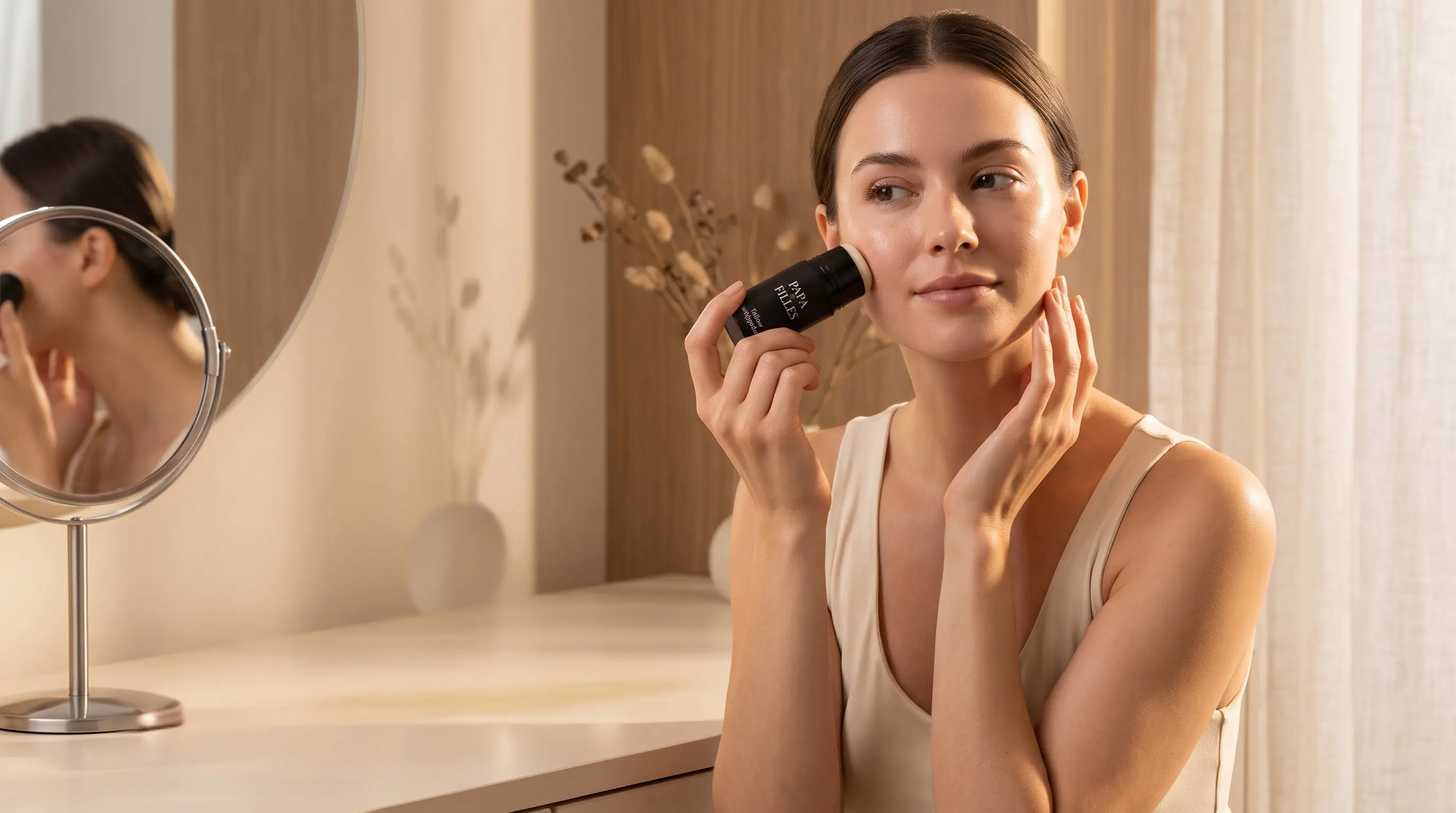
Product types to look for: Cream or oil-based cleansers (never foaming), hydrating serums with hyaluronic acid, and richer creams or balms rather than lightweight lotions. A deeply nourishing whipped balm is worth keeping on hand for the driest stretches.
Common mistake: Sticking with a lightweight summer moisturizer through winter. Canadian indoor heat and cold, dry air pull moisture out fast , dry skin usually needs a noticeably richer product from November through March.
Skincare Routine for Oily Skin
Morning: Gentle foaming cleanser → lightweight toner → oil-free serum → gel moisturizer → SPF Evening: Double cleanse if wearing makeup or SPF → targeted treatment → lightweight moisturizer
Priorities: Managing excess oil without over-stripping skin, which can actually trigger more oil production.
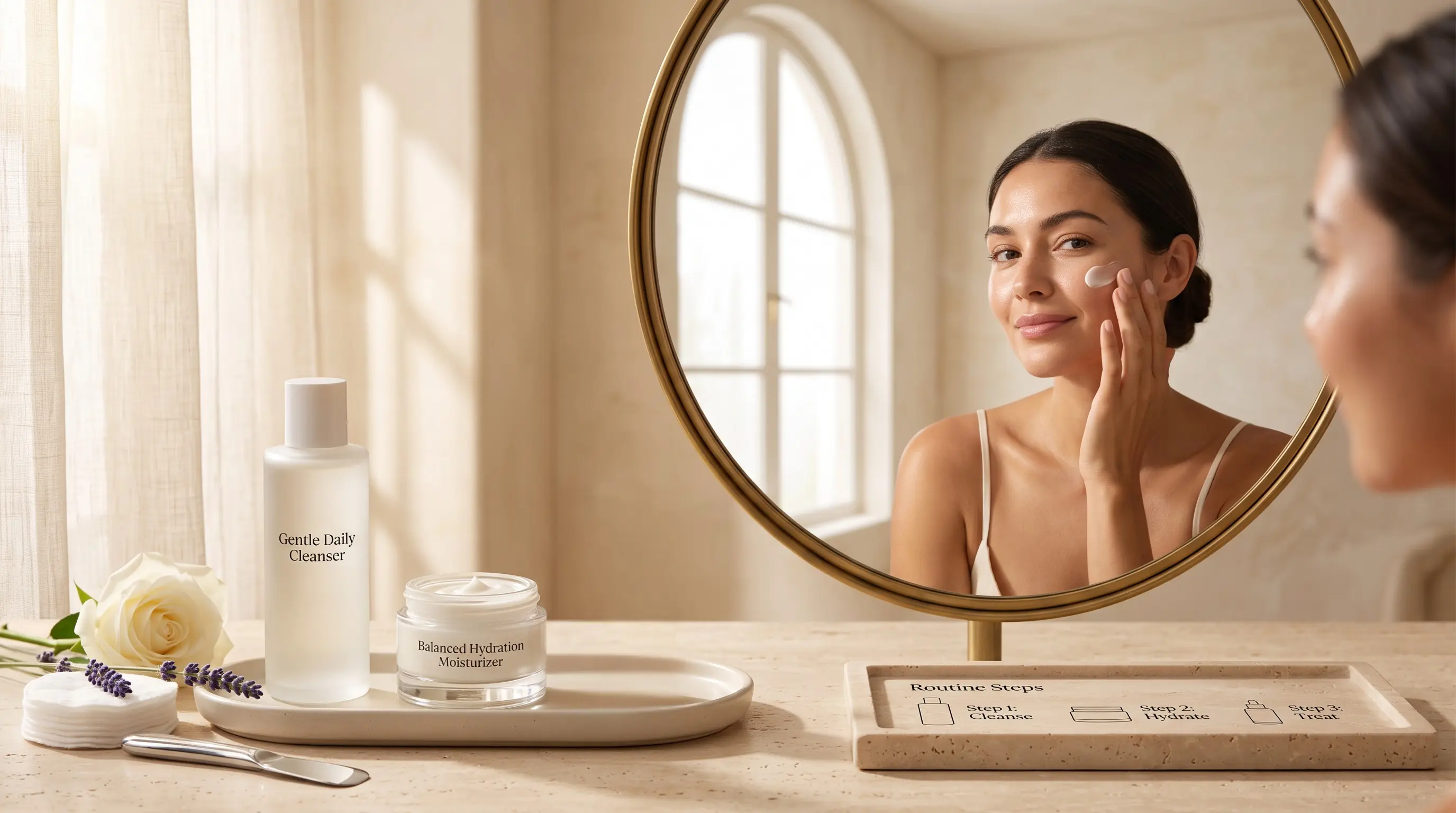
Product types to look for: Gel or foaming cleansers, oil-free and non-comedogenic moisturizers, and targeted spot treatments rather than all-over harsh actives. A gentle daily foaming cleanser that cleans without stripping is a solid daily foundation.
Common mistake: Skipping moisturizer altogether out of fear it'll add more oil. Skin that's dehydrated (not the same as dry) often overcompensates by producing even more oil.

Skincare Routine for Combination Skin
Morning: Gentle cleanser → balancing toner → lightweight serum → moisturizer (adjusted by zone) → SPF Evening: Cleanser → treatment serum → moisturizer
Priorities: Treating your T-zone and cheeks as two different zones rather than forcing one product to do both jobs.
Product types to look for: A gentle, balanced cleanser and a moisturizer that isn't too heavy or too light , lightweight daily hydrating cream tends to work well across most of the face for combination skin.
Common mistake: Buying an entire routine built for one zone. Combination skin often does best when you apply a lighter layer through the T-zone and a slightly richer one on the cheeks, rather than switching products entirely.

Skincare Routine for Sensitive Skin
Morning: Fragrance-free gentle cleanser → soothing mist → minimal serum (if any) → barrier-repair moisturizer → mineral SPF Evening: Same gentle cleanser → soothing treatment → barrier-repair moisturizer
Priorities: Calming reactivity and protecting the skin barrier before adding any actives.
Product types to look for: Fragrance-free, hypoallergenic formulas with soothing ingredients. A calming lavender face mist can help settle redness before layering anything else.
Common mistake: Introducing multiple new products at once. Sensitive skin needs one new product at a time so you can actually tell what's causing a reaction. We've got a dedicated guide on patch testing if you're building a routine from scratch.

Skincare Routine for Normal Skin
Morning: Gentle cleanser → toner → serum → moisturizer → SPF Evening: Cleanser → treatment serum → moisturizer
Priorities: Maintenance and prevention, since normal skin has more flexibility than other types.
Product types to look for: Nearly anything gentle and well-formulated works here , this is a good skin type to introduce actives like vitamin C or niacinamide, since there's less risk of irritation.
Common mistake: Assuming "normal" means low-maintenance forever. Normal skin still needs consistent SPF and hydration to stay that way, especially as it changes with age and season.
How Your Routine Changes Over Time
Your skin type isn't permanent. Perimenopause and menopause can shift skin from oily to dry as estrogen drops. Melanin-rich skin, regardless of type, needs extra attention to gentle, consistent care since it's more prone to lasting post-inflammatory marks from irritation or breakouts. And whatever your skin type, expect to adjust in Canadian winters , most of us need a richer layer for a few months, even if we're oily or combination for the rest of the year.
If you want to go deeper on any of this , how long it takes to see results, how to layer products correctly, or how often to exfoliate for your specific type , those all have their own dedicated guides on BTC Magazine.
Not sure exactly where you land, or which products fit? The Papa & Filles Beauty Quiz walks you through your skin type and concerns in a couple of minutes and points you toward what's actually worth trying.


.webp)