When style influencers peddle $2,000 handbags to pay rent, one man said "fuck that" and built something real.
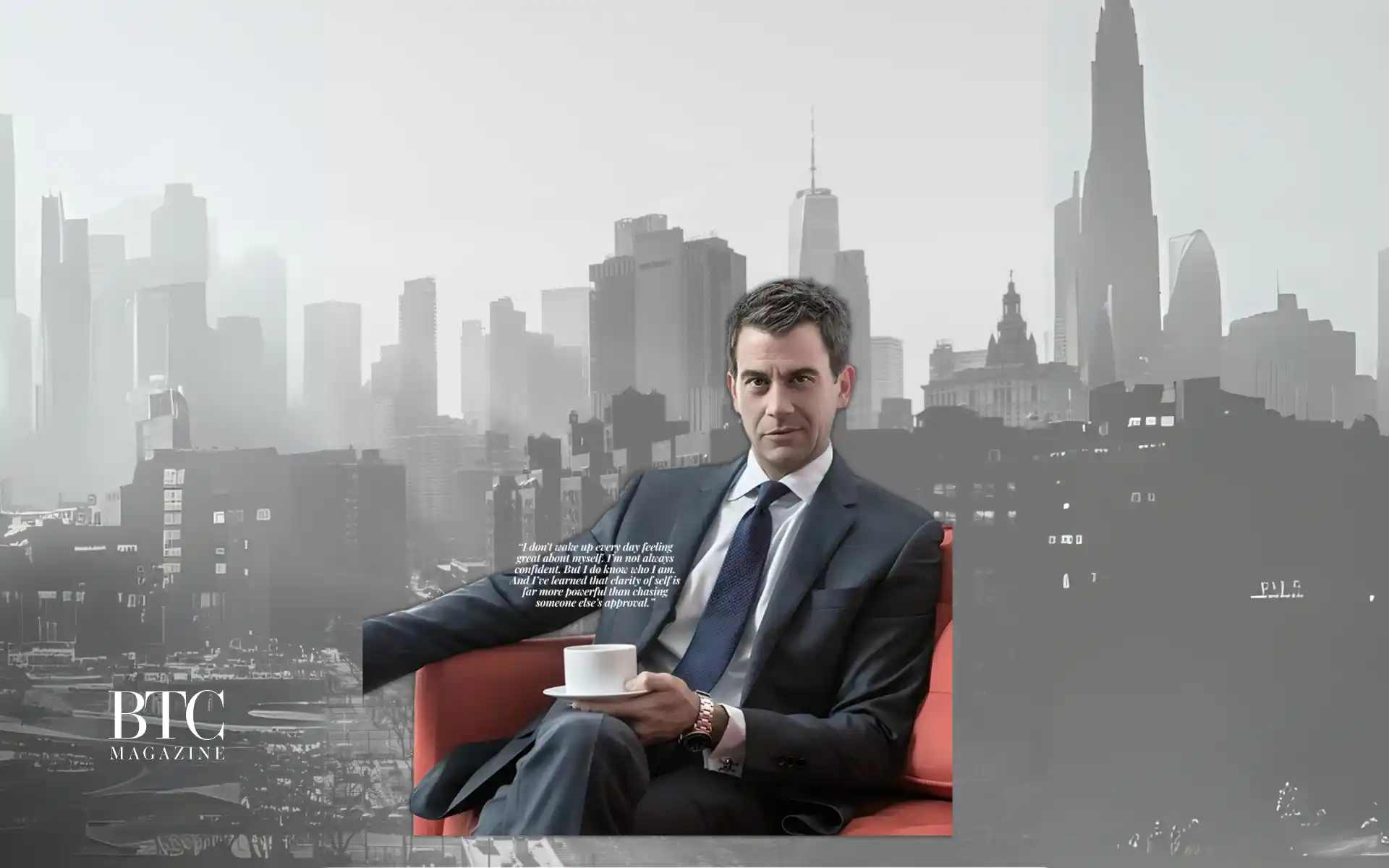
Here's what I love about George Hahn: he sold his Rolex to feed his dog.
Not to fund some bullshit passion project or because minimalism was trending on Pinterest, but because the 2011 recession came for him like it came for all of us, swift, merciless, and completely indifferent to whether you had good taste or not. So he pawned his watch and decided to become what he calls a "self-made thousandaire" instead of pretending he was still swimming in champagne money. Fast-forward thirteen years, and George has quietly built one of the most honest voices in men's style without ever once telling you to "invest in yourself" or "manifest abundance." His blog, podcast "Hahn Solo," and social media read like your smartest, slightly cynical friend explaining why you don't need a $500 white t-shirt to look put-together.
“I don’t wake up every day feeling great about myself. I’m not always confident. But I do know who I am. And I’ve learned that clarity of self is far more powerful than chasing someone else’s approval.”
The Anti-Influencer Influencer
George's origin story reads like a fever dream of every creative who moved to New York in the '90s. Theater kid from Cleveland? Check. Boston College drama major with a patchouli phase? Double check. Waiting tables at trendy spots while booking tiny roles on "Sex and the City"? Triple check, with a side of existential dread. But here's where his story diverges from the standard "I-came-I-saw-I-conquered" influencer narrative: he admits to the mess. The eighteen months as a hair salon receptionist booking appointments for "the most pulled faces in the Northern Hemisphere." The years of restaurant work. The moment when everything fell apart and he had to choose between keeping up appearances and keeping his priorities straight. That vulnerability? That's the secret sauce. In a world where every style blogger seems to live in a perfectly curated apartment they definitely can't afford, George says the quiet part out loud: most of us are just trying to look decent while not going broke.
Sartorial Stealth Mode
George coined the term "sartorial stealth", looking polished without screaming about it. It's the opposite of logo-heavy, status-symbol dressing that dominates men's style content. Instead, he advocates for classic pieces that work across contexts: the perfect white dress shirt with unfused collars, one good stainless steel watch that transitions from work to dinner, well-tailored basics that don't announce their price tag. "Anyone with money can acquire. What's more interesting to me is when someone does something fantastic with limited resources," George writes, cutting straight to the heart of what makes his perspective so refreshing. This isn't about being cheap, it's about being smart. When The New York Times launched their Men's Style section featuring $990 jackets and $560 pants, George called it out: "The new Men's Style section of The New York Times joins the bloated legion of magazines, blogs and online influencers that equate style and refinement with spending power." His alternative? Proving that style is about proportion, fit, and understanding what works for your life, not about how much you can drop on a single item.
The Realness We're All Craving
What makes George's voice so refreshing is that he writes about style the way we actually live: imperfectly, pragmatically, with limited budgets and real priorities. His recent piece on watches is a perfect example. While every other men's blog is pushing luxury timepieces as "investment pieces," George argues you only need one good watch, and explains why a well-chosen tool watch works for everything from boardrooms to dive bars. He's also refreshingly honest about his own limitations and changes. When he moved back to Cleveland for three years, he didn't pretend it was some strategic lifestyle choice. When he returned to New York and rebuilt his following (387.8k TikTok followers and counting), he didn't frame it as some comeback story. It's just life happening, with all its messiness and course corrections.
Why This Matters to Us
In a digital landscape saturated with lifestyle content that feels performative and unattainable, George represents something different: authenticity without the therapy-speak, style advice without the classism, and honesty without the martyrdom.
His readers, many of whom are women, aren't just there for the menswear tips. They're there for the voice. The way he writes about New York City life, the humor he brings to everyday observations, the reminder that looking good doesn't require selling your soul to fast fashion or luxury brands.
Plus, let's be real: if you're in a relationship with a man who gives a shit about how he looks, George's approach is going to make your life easier. No more explaining why he doesn't need seventeen different watches or why a well-fitted $40 shirt beats an expensive, poorly cut one every time.
The Thousandaire Philosophy
George's "thousandaire" identity isn't about having exactly $1,000 in the bank, it's about rejecting the millionaire mindset that dominates lifestyle content. It's about finding satisfaction in getting things right within your means, about quality over quantity, about looking intentional without looking try-hard. In an economy where we're all basically thousandaires whether we admit it or not, George's perspective feels less like lifestyle porn and more like a survival guide. How to dress well when you're not rich. How to live in a city that wants to bleed you dry. How to maintain standards without losing your mind, or your rent money.


Comments
No comments yet
No comments to show yet. Subscribe to join the conversation.
Log in or subscribe to comment on this article.