Dr. Zargar Eye Care
10% off for treatment and $500 credit for sunglasses/glasses with RF .

Relationship Advice – Building Strong, Healthy Connections Relationships are at the heart of human life. They bring joy, meaning, and companionship, but they can also present challenges that test our patience and resilience. Whether romantic, familial, or platonic, every relationship requires care, understanding, and effort to thrive. At its core, relationship advice is about helping people navigate the ups and downs of connection, offering tools that strengthen bonds and foster long-term happiness. The Foundations of a Healthy Relationship Strong relationships are built on key pillars: communication, trust, and respect. When two people communicate openly, they create space for honesty and vulnerability. Trust builds confidence in one another, while respect ensures both voices are valued equally. Without these foundations, even the strongest attraction or shared history can become fragile. Emotional support also plays a vital role. In a healthy relationship, both partners feel heard, validated, and encouraged to grow. This balance fosters resilience and helps couples, families, and friends weather the storms that inevitably arise. Relationship Advice for Couples Romantic relationships are often where people seek the most guidance. In the early stages, new relationship advice usually emphasizes setting clear expectations, being honest about needs, and aligning values. Laying this groundwork builds a foundation for trust and deeper connection. For long-term couples, the challenges may shift. Over time, partners may struggle with keeping the spark alive, balancing busy schedules, or resolving conflicts. Relationship advice for couples often includes practical tips like planning intentional quality time, engaging in shared activities, and learning healthy conflict-resolution strategies. Even small gestures—like regular appreciation or surprise date nights—can reignite intimacy and connection. Long-Distance Relationship Advice Distance adds unique pressures to relationships, but with commitment and creativity, they can flourish. Long-distance relationship advice often centers on consistent communication, from video calls to thoughtful texts. Finding ways to share experiences, such as watching the same movie remotely or cooking the same recipe, can create a sense of closeness despite the miles. Planning visits in advance gives both partners something to look forward to, while discussing long-term goals ensures alignment. Above all, trust and patience are crucial for sustaining a bond across distance. Family, Friends, and Beyond Relationship advice is not limited to romantic partnerships. Family dynamics, friendships, and even parent-child relationships benefit from the same principles of communication, empathy, and respect. Family guidance may involve navigating generational differences, resolving conflicts, or building stronger bonds within a household. Friendship advice often emphasizes balance—investing time and energy while respecting boundaries. Parent-child relationships thrive when built on trust, consistent support, and open dialogue. In every type of relationship, the goal is the same: to create a nurturing environment where everyone feels valued and secure. Seeking Guidance and Support Sometimes, challenges feel overwhelming. In those moments, turning to trusted resources can make all the difference. Free relationship advice articles, workshops, or podcasts can offer fresh perspectives and strategies. For deeper or ongoing struggles, professional counseling or therapy provides tailored support that helps individuals and couples break unhealthy patterns and rebuild connections. It’s important to remember that seeking advice is not a sign of weakness—it’s a sign of commitment. Taking proactive steps to strengthen relationships shows care and dedication to the people who matter most. Progress Over Perfection No relationship is perfect. Conflicts, misunderstandings, and differences are inevitable. What matters is how people navigate them. Relationship growth comes from embracing challenges, learning from mistakes, and showing compassion both to others and to yourself. Instead of striving for a flawless partnership or family dynamic, focus on progress. Celebrate small victories, whether it’s resolving a disagreement calmly or making time for a loved one despite a busy schedule. These moments of effort add up, creating a strong and lasting bond. Final Thoughts Relationships are journeys—dynamic, ever-changing, and deeply personal. By prioritizing communication, trust, and empathy, you can create connections that endure through joy and hardship alike. Whether you’re looking to nurture a romantic partnership, strengthen family ties, or be a better friend, relationship advice serves as a guiding light.
Have you ever really thought about metamorphosis? Not just the word, but what it actually means-the caterpillar cocooning, dissolving, and somehow emerging as a butterfly. Like, WTF?! When you really think about it, that’s wild. That something so small, so ordinary, can completely fall apart and come back as something beautiful and free. That process-that painful, disorienting transformation-feels a lot like therapy. It feels like growth. It feels like life.We love to talk about transformation like it’s this bright, glowing thing- light, freedom, awareness. But the truth? It’s messy. It’s raw. It’s the part of the story most people skip over because it’s the part where everything familiar falls away.The theme of this issue-The Fear of Losing (Yourself to Find Yourself)-hits deep for me because that’s exactly what healing feels like. You don’t just find yourself one day and say, “Ah, there I am.” You lose yourself first. You question everything. You unravel.There’s a point in that unraveling where you start to feel like you’re slipping into darkness. In my world, we call that the dark night of the soul. And let me tell you-it’s heavy. It’s that kind of pain that sits on your chest and doesn’t let you breathe easily. It’s the quiet moments when you start wondering if you’ll ever feel like you again.For me, it’s felt like being at the bottom of a cold, dark well. The kind where the walls are slick with mud, and you can’t see a way out. It’s lonely, it’s suffocating, and it’s terrifying.But here’s what I’ve learned-if you stop fighting long enough to feel around, there’s always a ladder nearby. It might not look like much, but it’s there. That ladder is awareness. That single, tiny spark that whispers, “You’re not done yet.”The climb out isn’t glamorous. It’s not fast, and it’s definitely not easy. Some days you make progress; some days you slip. But the only way through the unraveling is one step at a time.Growth, introspection, and healing aren’t gentle processes. They require you to shed versions of yourself that no longer fit-identities you’ve clung to, patterns that once kept you safe, stories you’ve outgrown. In a way, we die multiple times in one lifetime. And every time we do, we wake up a little more aware.That awareness can be brutal at first. It shows you everything you’ve ignored, everything you’ve avoided. But it also shows you what’s real. And that’s where the transformation begins, in the honesty of seeing yourself clearly, even when it’s uncomfortable.When I talk to people about healing, I tell them: it’s not a one-time event. It’s not something you check off your list. Healing is a lifestyle. It’s the way you learn to meet yourself-again and again, with compassion, patience, and truth.And then, one day, something shifts. You start noticing little moments of light breaking through. You breathe a little deeper. You catch a glimpse of yourself in the mirror and think, “There you are.”The wild thing that no one tells you-you’re not returning to who you were. You’re emerging as who you’re meant to be.That’s the magic of metamorphosis. The caterpillar doesn’t come back as a better version of itself-it becomes something completely new. So do we.After the darkness, there’s this newness, a kind of quiet strength that comes from having survived the unraveling. There’s awareness, yes, but also gratitude. You realize that the pain wasn’t punishment; it was preparation. Every loss, every fall, every tear; they were all shaping you for this moment of clarity, of becoming.“Sometimes the only way forward is through the unraveling.”That line… it’s the truth. Because the unraveling isn’t failure. It’s freedom.We spend so much of our lives trying to hold ourselves together, to stay in control, to not fall apart. But what if falling apart is the point? What if the unraveling is the only way to rebuild yourself with intention? If you’re in that cocoon right now-that dark, messy, confusing middle, I want you to know that you’re not broken. You’re becoming. You’re allowed to pause, to rest, to take one small step toward the light.Transformation isn’t pretty, but it’s powerful. It asks everything of you, but it also gives you back what you’ve always needed-truth, awareness, and the permission to live as your most authentic self. So when life feels like you’re losing yourself, remember this: sometimes that’s exactly what has to happen. Sometimes the pieces have to fall apart so the real you can finally emerge.Healing isn’t about finding your way back.It’s about stepping into the light with everything you’ve learned in the dark-and realizing that maybe, just maybe, you were never lost at all.
Let’s cut the crap and be real! No app, no algorithm, no artificially intelligent anything is going to save your relationship, revive your friendships, or help you feel less alone at 2 a.m. when your chest is tight and your mind is racing.I’m your Do or Die Relationship Doctor, and I’m telling you straight—what you’re starving for isn’t another update or a better dating app. It’s not more followers or another group chat with 18 people who don’t actually check in.You’re starving for connection. Real, messy, soul-shaking, skin-on-skin, look-you-in-the-eyes connection.I don’t care how many articles you read about AI taking over the world or how many digital tools are trying to “simulate intimacy.” You heard it here first, AI and social media will only ever mimic connection. It’s a knock-off. A hologram. A very sexy, smart distraction—but a distraction nonetheless.What it can’t do is replace the feeling of someone laughing so hard they’re crying beside you.It can’t hold your hand when you get bad news.It can’t look you in the eye and say, “I love you, and I’m not going anywhere.”That’s human. That’s connection. That’s what we live for. If you don’t fight for connection, you will lose it.Not because it disappeared—but because you stopped showing up for it.We talk about togetherness and family and travel in this edition, and yes—it’s all about those magical shared moments that make life worth living. The road trips, the late nights, the inside jokes that only your grade school friends still remember. The messy reunions with your mom crew who saw you through baby puke and breakdowns. The partner you built a life with, but who now sits five feet away on the same couch while you both scroll like strangers.Let me say this loud and clear…If you’ve “lost the spark,” it’s not because love died. It’s because effort did.Put your dang phone down. Get up off the couch. Book the date night. Send the text. Make the call.Quit saying “We should catch up” if you don’t mean it. Quit ghosting your own life.If you matched with someone online, great—now go meet them in real life. Talk face to face. Feel the vibe. Take the risk. Maybe it’s awkward. Maybe it’s electric. But either way, it’s real—and that’s what you need more of.And if you’re already in a relationship and you’re bored or bitter or silently keeping score? Snap out of it. No one thrives on autopilot. Relationships don’t die because something went wrong—they die because no one did the work to make it right.Want connection? Be the one who creates it.It’s time to stop blaming technology for our loneliness and start owning the fact that we’ve gotten lazy with love.It’s easy to scroll. It’s easy to like. It’s easy to pretend you’re “in touch.”But connection isn’t passive. It’s a choice. Every single day.Listen up, without real human connection, you will not thrive.You may survive, sure. But you’ll feel empty.Because we are not designed to go it alone.We need community. We need touch. We need truth. We need people who see us.When you feel close to someone, really close-it literally boosts your mental, emotional, and physical health. People in strong relationships live longer, feel happier, handle stress better, and are more likely to bounce back from tough times.So if you’re feeling lonely, disconnected, or burnt out-it’s not your phone plan that needs upgrading. It’s your willingness to lean in, open up, and reach out.Say it with me-CONNECTION IS THE CURE.Write it on your mirror. Shout it in your car. Tattoo it on your heart if you have to.Because this isn’t just a catchy phrase-it’s your lifeline.If you want a relationship that lasts, if you want a life that feels full, not just fine-then connection has to become your daily medicine. You take it by showing up. By listening. By saying the hard things. By forgiving. By laughing until you snort. By being real, even when it’s messy.So go-Reignite the spark.Call the friend.Book the trip.Apologize first.Say “I miss you” even if it’s been a while.Quit waiting for someone else to make the first move. Be the move!Because at the end of the day, the moments that matter most-the ones you’ll remember are never going to be the nights you stayed home doom-scrolling. They’ll be the nights you showed up for love, for friendship, for family.That’s what really matters. That’s what keeps us alive.And don’t you forget it.
Back to School, Back to BalanceNavigating the Emotional Shift for Parents and ChildrenThere's something in the air every August. You can feel it at the end of a summer breeze—the quiet murmur of structure returning. Backpacks start appearing in store windows, group chats fill with "teacher assignments," and for many families, the countdown to back-to-school feels like it snuck in overnight.But here's what I've learned after years of helping families navigate this transition: going back to school isn't just a logistical shift—it's an emotional earthquake. And it doesn't only rock the kids. The back-to-school energy touches every member of the household, influencing moods, mindsets, and the way we relate to one another.Whether you're flying solo as a single parent, tag-teaming with a partner, or you're the kid trying to figure out if you're excited or terrified (spoiler alert: probably both), that shift from summer freedom to September structure can shake the hell out of your family's equilibrium.The Emotional Undercurrent No One Talks AboutLet's be honest about what's really happening here. In single-parent households, back-to-school season can feel like you're drowning in a sea of supply lists while everyone else seems to have their shit together. There's one person managing drop-offs, emotional check-ins, work schedules, and the silent panic of realizing your kid's growth spurt means literally nothing fits anymore. The invisible labor intensifies, and that emotional load? It can feel crushing.There's also this quiet grief that nobody acknowledges—mourning those lazy mornings and spontaneous ice cream runs that are about to disappear into the void of alarm clocks and permission slips.Two-parent households aren't immune to the chaos, just differently cursed by it. Coordination becomes this elaborate game of calendar Tetris where someone always loses. Who's handling lunch prep? Who's on pickup duty? These seemingly simple negotiations can turn into relationship landmines if you're not careful. Often, one partner unconsciously becomes the family's emotional air traffic controller while the other handles logistics. Left unspoken, this imbalance can quietly erode connection faster than you realize.And the kids? They're not just innocent bystanders in this annual circus. Children are emotional sponges—they absorb our stress even when we think we're Oscar-worthy at hiding it. You'll see it show up as sudden clinginess, sleep disruptions, or that special brand of over-excitement that makes you wonder if they've been sneaking espresso. For kids navigating divorced or co-parenting situations, back-to-school also means potential shifts between homes and routines, adding another layer of "what the hell is happening to my life?""You are the emotional thermostat of your household, but too often you're running on fumes by September 1st."Name It to Tame ItWhether you're the parent or the kid, transitions are emotional rollercoasters. Let that be okay. Actually, let that be expected.One of the most powerful tools in my therapeutic toolkit is emotional labeling—for you and your child. When you can name what you're feeling, you take away its power to control the entire conversation."I'm feeling overwhelmed with everything we need to organize this month. Let's make a plan together so we both feel better about it.""It's totally normal to feel nervous about meeting your new teacher. Want to talk about what you're hoping they'll be like?"By naming the feeling, you're also modeling emotional intelligence and teaching your child that their inner world matters—revolutionary stuff in a culture that often expects kids to just "get over it."Connect Before You CorrectDuring high-stress transitions, relational strain loves to make surprise appearances. Parents snap at each other, kids act out, and suddenly everyone's walking on eggshells in their own home. This is normal human behavior—but it's also totally fixable.My golden rule for keeping families connected during chaos: connect first, then correct. Before you enforce a boundary or make a request, take one moment to emotionally connect. A hug before a reminder. A warm tone before setting limits. Eye contact before giving instructions.These aren't just nice-to-have gestures—they're relationship preservers. You're building a bridge before asking someone to cross it.Keep Summer Alive in Small DosesGoing back to school doesn't mean we have to murder summer joy and bury it in the backyard next to the pool floaties. One of the best ways to ease transition tension is to intentionally sprinkle moments of playfulness throughout August and beyond.Plan one last "summer Saturday" before Labor Day—pajamas until noon, ice cream for dinner, zero guilt. Keep up family movie nights or Friday dance parties even when homework enters the picture. Remind your kids (and yourself) that structure and spontaneity aren't mortal enemies—they can actually coexist beautifully."The start of a school year isn't just about organizing supplies—it's about strengthening the bonds that matter most."Check Your Own Emotional TemperatureHere's something I see constantly in my practice: parents completely neglecting their own emotional needs while orchestrating everyone else's back-to-school experience. You are the emotional thermostat of your household, but too often you're running on fumes by September 1st.Ask yourself: What support do I actually need during this time? What tasks can I delegate, automate, or—radical concept—just let go of entirely? When did I last ask for help without feeling like a failure?You deserve grace in this transition too. The calmer your nervous system, the smoother your household energy flows.It's About Connection, Not PerfectionBack-to-school season will never be Instagram-perfect, and that's not the goal anyway. But it can be intentional, relational, and even joyful when we lead with connection over correction, preparation over panic, and empathy over the urgent need to have everything figured out immediately.The start of a school year isn't just about organizing supplies—it's about strengthening the bonds that matter most. And that begins with how we show up for each other, especially when everything feels chaotic and uncertain.Dr. Mary Marano is a licensed psychotherapist and relationship expert who specializes in helping families navigate life's messier moments with more grace and less guilt. She's the founder of Life & Family Counselling Services and creator of the transformational program "Changed By Mary." Find her at lifeandfamilycounselling.com and changedbymary.com, or follow her insights @mary_marano.
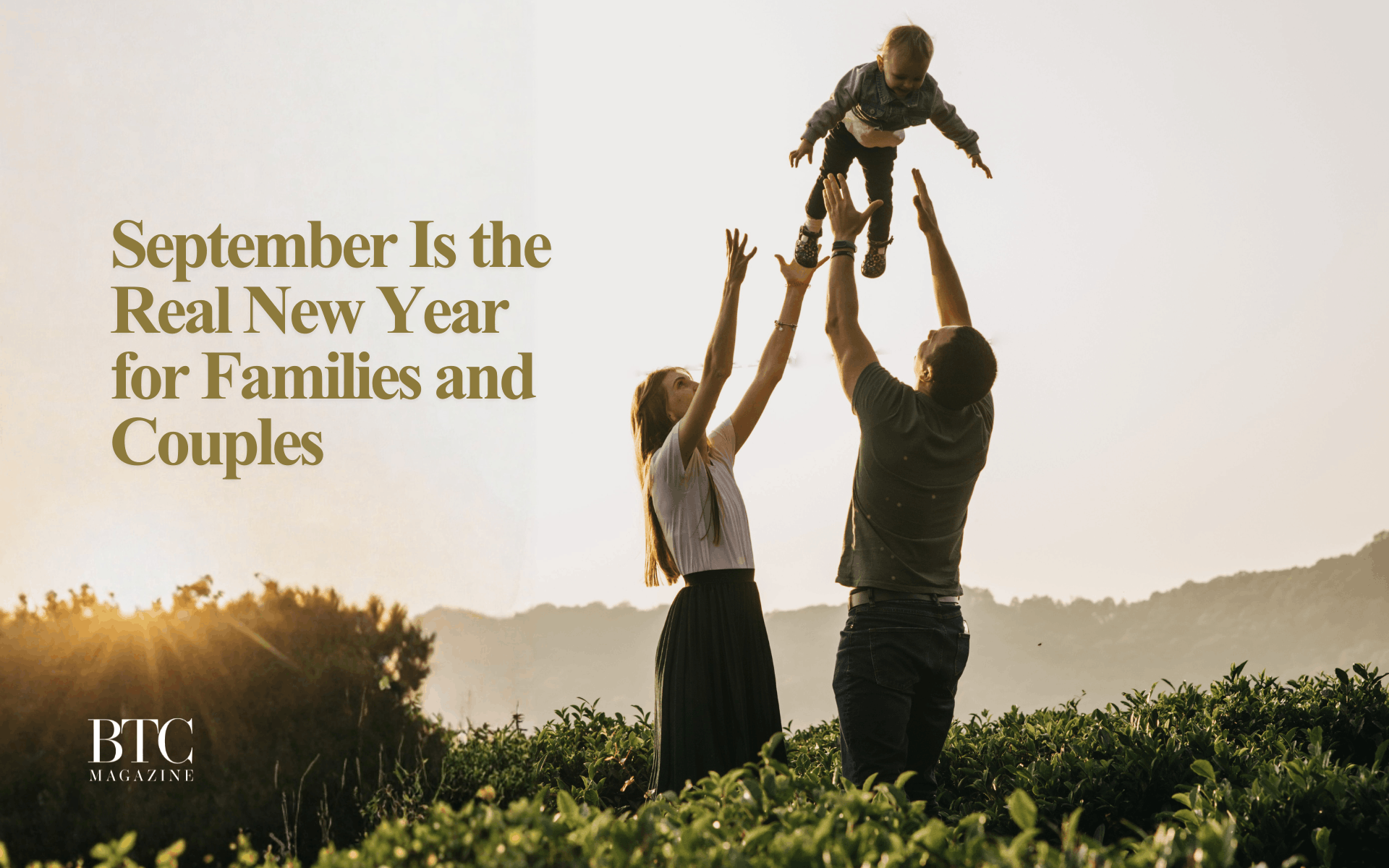
The Real New Year for Families, Parents & RelationshipsLet’s be honest: January is overrated.We make resolutions we barely remember by February, we’re exhausted from the holidays, and nothing about it feels like a true “fresh start.”But September?Now that’s when life resets.The chaos of summer ends.Kids go back to school.Routines return.And suddenly, we’re face-to-face with our real lives again — with a new opportunity to recalibrate, reconnect, and reclaim what matters.I call it the “emotional New Year.”And if you pay attention, you’ll feel it too.Why September Feels Like a Fresh StartIt’s not just in your head — September is a psychological reset for many of us. Here’s why:The return to school triggers memories of our own childhood “new beginnings” — new clothes, fresh notebooks, a clean slate.Summer’s loose structure gets replaced with routine, rhythm, and responsibility.The shift in seasons (even subtly) brings a subconscious message: It’s time to get serious.But this shift doesn’t just affect your calendar — it impacts your relationships, parenting style, and mental health.Couples: The Back-to-School Relationship Check-InSummer often puts relationships on autopilot. Between BBQs, kids at home, travel, and juggling work, most couples aren’t exactly sitting down for heart-to-hearts in July.Then September hits—and the silence is louder.With the kids back in school and less social distraction, you’re left alone with your partner… and possibly a sense of disconnection.Here’s the hard truth:Just because you survived the summer doesn’t mean you’re connected.Now is the perfect time to ask:Are we checking in emotionally—or just managing logistics?Have we become co-parents or roommates instead of lovers and partners?What do we need this season?Pro tip: Book a “connection date” this month. No kids. No distractions. Just two humans asking, “How are we really doing?”Parents: Routines Reveal What You’ve Been AvoidingSeptember puts a spotlight on how well (or poorly) your family systems are working.If mornings are a war zone, if homework time leads to meltdowns, or if you’re snapping at your kids more than speaking to them—those are not “just bad days.”They’re signs.Of burnout.Of disconnection.Of your emotional cup running on empty.Ask yourself:What message do my kids get from me in the mornings — chaos or calm?Am I parenting from intention… or exhaustion?Do I need help, structure, or just permission to admit this is hard?Pro tip: Make one small, repeatable ritual. A 2-minute check-in before school. A “no phones” zone at dinner. Tiny rituals create emotional safety—for you and your kids.
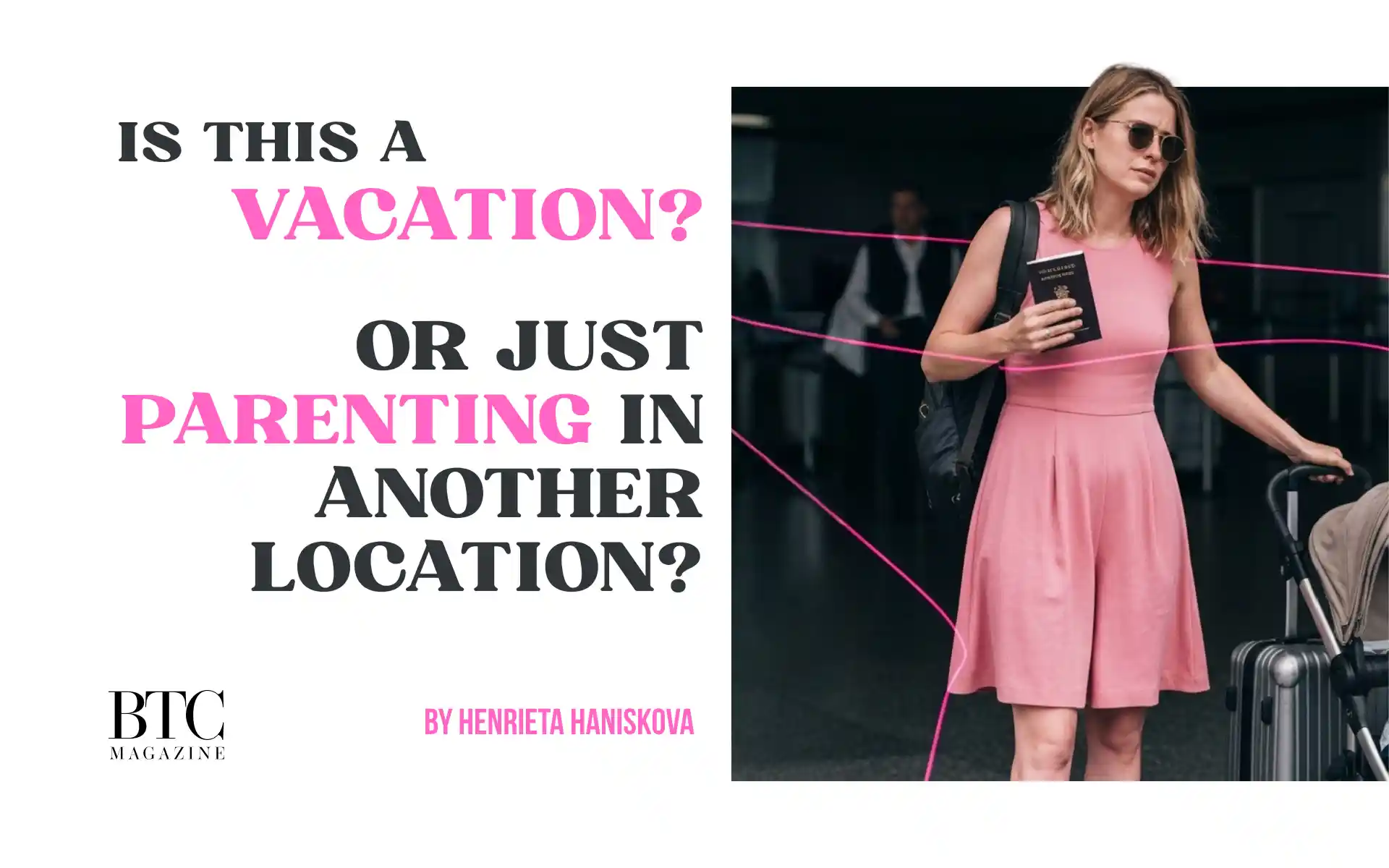
When the House Won’t Stop Moving — Parenting, Pressure & the Power of PauseLet’s be honest. Parenting is not a vacation. It’s a high-stakes, high-stimulation, no-overtime, no-manual, emotionally loaded, full-body contact sport. And when your kids are home full-time—whether it’s summer, school breaks, or a long-haul pandemic—you’re not just a parent. You become the chef, the referee, the tech support, the therapist, the playmate, the event planner… and if you’re lucky, the bathroom monitor.No wonder you’re exhausted. But here’s the kicker—your stress doesn’t stay in your body. It leaks. It spills. It lands in your tone, your reactions, your presence… and eventually, in your relationships—with your children, your partner, and most importantly, with yourself.So what do we do when we can’t get away? We regulate. We repair. We reclaim.Step 1: Stop Trying to Be Unbothered Let’s kill the myth that a good parent is a calm parent all the time. You are not a robot. You are not a yoga pose. You’re a human being with a nervous system that gets overloaded. Emotional regulation doesn’t mean staying zen 24/7. It means noticing when you’re about to lose it—and giving yourself a way through it instead of at someone. Try this: When tension builds, say out loud, “I’m feeling overwhelmed right now. I need a moment.” Model what it looks like to pause. To name it. To normalize it. Your kids don’t need a perfect parent. They need a real one. One who can feel, recover, and keep showing up.Step 2: Reconnect to Your Own NeedsThe reason so many parents feel resentful is because no one ever asked us how we were doing. So let me ask you now… When was the last time you did something that wasn’t for someone else? Self-care isn’t just bubble baths. It’s setting limits. It’s stepping outside. It’s taking ten minutes in silence with a hot coffee while the chaos continues and not feeling guilty for it. Because here’s the truth—the calmer you are, the safer they feel. Self-care is not selfish—it’s protective parenting.Step 3: Stop Performing, Start ConnectingMany of us are parenting from a script. We do what our parents did—or do the exact opposite. We follow what Instagram tells us a good parent should look like. We try to curate a calm, clean, organized, joyful home. And then we wonder why we feel like we’re failing. Connection isn’t about performing. It’s about presence. Your child doesn’t need themed lunches. They need five minutes of your undivided attention where you see them, hear them, and validate what they’re feeling—even if it’s irrational. “Of course you’re upset the popsicle broke. That sucks.” That sentence is therapy. That sentence is connection. And guess what? The more connected they feel, the more regulated they become.Step 4: Let Your Kids See You Heal I say this often: You are the curriculum. Your children are learning how to handle life by watching you. So let them watch you rest. Let them watch you say no. Let them watch you take a breath before yelling. Let them watch you apologize when you get it wrong. Healing happens out loud. And it’s never too late to course-correct.Step 5: Build Your Village No one is meant to do this alone. Isolation is a stress amplifier. Connection is the cure. Call a friend. Join a group. Talk to a therapist. Let someone hold space for you so you can keep holding space for your family. You can’t pour from an empty cup. But when you’re full—even just a little—you give your kids the greatest gift of all: a regulated, responsive, emotionally available parent.Your nervous system is the climate control for your home. When you regulate, everything settles. When you care for yourself, you parent with more power and more peace.So here’s your permission slip… Take the damn break. Ask for help. Let go of perfect. And remember—the strongest homes are built on connection, not control."Your nervous system is the climate control for your home. When you regulate, everything settles."Got something keeping you up at night (besides your kids)? Whether it's parenting chaos, relationship ruts, or just trying to find five minutes of peace—Mary wants to hear about it. Send your questions, dilemmas, or full-on meltdowns to info@jeopublishing.com and your topic could be featured in the next Wait a Mary Minute. No shame, no fluff—just real talk and solid advice.
Wait a Mary MinuteBy Dr. Mary Marano, DCP – Psychotherapist | Relationship ExpertLet’s cut through the noise.Fathers matter. Not in a vague, symbolic, “provider” kind of way—but in a deep, biological, emotional, and psychological way that shapes a child for life.A father’s presence-or absence—is a blueprint.For sons, he’s the first model of male identity.For daughters, he’s the first mirror of worth.A father teaches his son how to be—how to handle anger without violence, how to lead without domination, how to love without fear. Boys who grow up with engaged fathers are more likely to develop emotional regulation, accountability, and self-respect. They learn that masculinity isn’t about silence or stoicism, but about presence, responsibility, and strength rooted in connection.Without him, many boys look elsewhere for definition—often to influencers, street scripts, or toxic masculinity masquerading as confidence.A father teaches his daughter what she deserves.When she sees herself cherished, protected, respected, she’s less likely to settle for less. A present and attuned father builds a foundation of self-worth that doesn’t waver under pressure. She doesn’t need to search for validation—she’s already lived it.When she hasn’t felt that from her father, the void can show up in her choices, her boundaries, and how loud or silent her voice becomes in relationships.In a 2024 study published in Developmental Psychology, found that father involvement during childhood is significantly associated with children’s positive mental, cognitive, social, and physical outcomes. In addition, positively involved fathers contribute to their children’s brain development, healthy emotions, social relationships, and physical health. Benefits include reduced behavioural problems, improved academic performance, and decreased risk of depression and substance use in adolescents.People, I don’t make this stuff up! These are the cold, hard facts.The research indicates that father absence during early childhood is associated with increased levels of depression in adolescence and early adulthood. Children without active fathers are twice as likely not to graduate from high school and are at a 75% increased risk for teen pregnancy. Now are you ready for this-statistics show that 85% of youths in prison come from fatherless homes, highlighting a strong correlation between father absence and higher incarceration rates among youth.“Dads don’t just matter—they leave a legacy. Confidence, resilience, empathy, and strength are not inherited. They are modeled.”So-if mothers give us life, fathers teach us how to navigate it. Whether guiding sons toward strength and responsibility or showing daughters what respect and care look like, the presence of a father shapes the way children move through the world. In their absence, children are often left searching for the very compass a father was meant to provide.Here’s the truth we don’t say loud enough-Dads don’t just matter—they leave a legacy.The beauty of the father-child bond lies not only in guidance today, but in the legacy, it builds for tomorrow. Fathers who engage, who listen, who love boldly — they don’t just shape children. They shape the adults those children will become. Confidence, resilience, empathy, and strength are not inherited. They are modeled.Whether they’re present or absent, engaged or indifferent, nurturing or neglectful—they shape how their children love, trust, and see themselves.The impact is lifelong. And it’s not just about showing up on weekends or paying child support. It’s about emotional presence. Tenderness. Accountability. Consistency.Not perfect—present.So if you’re a father reading this, your role is not secondary.If you’re a mother raising kids without a father in the picture your awareness of that gap is powerful.And if you’re an adult still wrestling with the father you did or didn’t have—know this: naming the wound is the first step toward healing it.Fathers are not optional. They are essential.Let’s start acting like it.
Scrolling Ourselves Silent: The Double-Edged Sword of Social Media, on Your Brain and Your Relationships We live in a world where we wake up to the glow of a screen before the sun. Our fingers scroll before our feet touch the floor. Social media has become our morning coffee, our silent dinner guest, our late-night lullaby. It fills the gaps between tasks, quiets the boredom, and numbs the discomfort.But at what cost?Social media was built to connect us—friends from across the world, family from afar, strangers with shared stories. Yet many of us have never felt more disconnected. Behind filtered smiles and curated captions lies a silent epidemic—one of comparison, self-doubt, overstimulation, and loneliness.Connection has never been so instant—nor so empty.Your Brain on Social MediaSocial media isn’t inherently “bad.” It’s a powerful tool for advocacy, education, and the global community. For survivors, for the misunderstood, for the unseen—it can be a lifeline. It gives voice to the silenced, platforms to the marginalized, and opportunities to learn, grow, and unite.But it also comes with a hidden cost. When left unchecked, it becomes a thief—stealing time, attention, confidence, and even sleep.Studies now link heavy social media use to spikes in anxiety, depression, disrupted sleep patterns, and diminished self-worth. The endless highlight reel becomes a distorted mirror. We hold our ordinary, messy, and beautiful lives against a backdrop of airbrushed perfection and curated milestones.Every like becomes a silent vote on our worth. Every scroll is an invitation to question our value.Even worse? The algorithms are designed to keep us hooked—feeding us content that stirs emotion, often negative, to maximize engagement. We are not just consuming—we are being consumed.The Impact on RelationshipsHave you ever sat across from someone you love and felt the space between you grow—not from words unspoken, but from screens glowing?Maybe it was their distracted scrolling. Maybe it was yours.We’ve all been there—present in body, absent in spirit.Emotional presence is slowly being replaced by digital distraction. Intimacy is being diluted into likes, DMs, and emojis. Conversations become clipped. Eye contact fades. And the quiet magic of just being together is lost in a sea of notifications.We communicate more than ever, but we connect less deeply. We “check in” online, but check out in real life.We’re becoming fluent in digital language while forgetting how to read each other’s hearts.Romantic relationships strain under the pressure of comparison and performative perfection.Friendships become transactional. Family dinners feel more like social media breaks with food on the side.And the most fragile relationship of all—the one with ourselves—begins to fray.It’s no longer just two people in a relationship—there’s often a third, silent presence at the table: the phone. It interrupts conversations mid-sentence, competes for attention during intimate moments, and replaces eye contact with screen glow. What was once a space for connection now becomes a battlefield for presence. Partners find themselves scrolling side by side, physically close but emotionally distant. The phone doesn’t just hold apps—it holds comparison, distraction, and escape. And over time, it can erode trust and intimacy, not because of what’s on it, but because of what it takes away: the opportunity to truly see, hear, and feel one another.If you don’t believe me, here’s what the research tells us, there is a significant link between social media use and infidelity in romantic relationships. Here are some key findings: Prevalence in Divorce Cases: Approximately 20% of American divorce cases involve Facebook, with 80% of divorce attorneys noting an increase in cases using social media for evidence of infidelity.Social Media Addiction and Infidelity: A study found that individuals with higher social media addiction scores also reported higher levels of infidelity-related behaviors on social networking sites. Impact on Marriages: Research indicates that heavy social media users are twice as likely to contemplate divorce, and online affairs now contribute to more than a third of divorces. These statistics highlight the potential challenges social media can pose to relationship fidelity and stability.Children, Teens & the Digital MirrorFor children and teens, social media isn’t just a tool—it’s their social currency. It’s how they connect, express, explore identity, and stay in the loop. But it’s also how they’re judged, measured, and sometimes excluded."We communicate more than ever, but we connect less deeply. Emotional presence is slowly being replaced by digital distraction."Adolescents are in the most vulnerable stage of self-development—still forming their identity, self-esteem, and social belonging. In this critical window, the digital world acts like a mirror. But instead of reflecting who they are, it reflects who they should be: more popular, more attractive, more successful, more “liked.”The pressure is relentless.What used to be playground drama now plays out in public comment sections. Comparison no longer ends when school does—it follows them home, into their beds, and into their dreams.Research shows that heavy social media use in teens is linked to increased rates of anxiety, depression, sleep disturbances, and body dissatisfaction. The need for online validation can spiral into constant checking, performance-based posting, and fear of missing out (FOMO). And for some, it becomes a cycle of self-worth tied entirely to external feedback.What Kids Are Losing:Authentic connection: Screen time often replaces in-person experiences that teach empathy, body language, and emotional nuance.Emotional regulation: Constant stimulation leaves little room for boredom, self-soothing, or introspection.Unfiltered identity building: Young people are now curating themselves before they even know who they really are.What Parents Can Do:Talk openly: Normalize conversations about comparison, cyberbullying, and self-image. Ask how they feel online, not just what they do.Co-create boundaries: Set screen time limits together. Model healthy phone habits instead of enforcing them without context.Prioritize connection: Build real-world rituals—meals without devices, walks, game nights, tech-free weekends—to remind kids that real presence still matters most.The bottom line is kids don’t just need to be protected from the internet—they need to be guided through it.Because behind every teen scrolling in silence is someone silently asking, “Am I enough?”And the answer they need most won’t come from a screen.It comes from us.The Pros and Cons of Social Media on Mental HealthThe Bright SideAccess to supportOnline communities can be a lifeline—especially for those in remote areas or facing stigma.Representation and connectionMarginalized voices find spaces to belong, share, and be seen.Creativity and advocacyA platform to raise awareness, tell your story, and build meaningful movements.The Shadow SideComparison overloadIdealized posts fuel self-doubt, jealousy, and a distorted self-image.Cognitive fatigue & overstimulationConstant scrolling can hijack your nervous system, draining focus and sleep.Shallow connectionsQuick texts replace deep conversations. Emotional closeness erodes.Addictive behaviorsDopamine hits from likes and shares build compulsive patterns. You’re not just scrolling—you’re being scrolled.
Discover our most popular and trending articles
THE NOTE WAITING IN HER HOTEL ROOMMelissa Grelo was on the brink of one of the boldest moves of her career - a wellness retreat built on her Aging Powerfully platform, the passion project she’s nurtured alongside running a podcast, parenting an 11-year-old, and hosting The Social, Canada’s most-watched daytime talk show. Her daughter, Marquesa, had tucked a note into her bag with strict instructions: Don’t open until you get there.Alone in her hotel room, minutes before leading a room full of women who’d come to learn from her and the group of experts she had curated, Melissa finally opened it. On the first page, in her daughter’s unmistakably confident handwriting:I am so proud of you.“It was a very long letter,” Melissa laughs now. “She’s a very prolific writer. Her vocabulary is fabulous.”But the message was simple: Go. Do this. I’m good. I’m cheering for you.This is what it looks like when a woman builds a life that supports her joy - and raises a daughter who sees and celebrates it.THE GAME IS RIGGED. SHE PLAYS IT ANYWAY.Let’s get something straight: Melissa Grelo hasn’t come undone. She’s building a life, a career, and a rhythm that reflect her strengths, not society’s expectations. What she has done is thrive in an industry where women, especially those on camera, still face extra layers of scrutiny: age, appearance, composure, perfection. Viewers often expect media personalities to be flawless, polished, and ever-present, even when their lives are evolving behind the scenes.And still, Melissa moves forward with clarity and confidence.When The Social finally premiered, it wasn’t just another show for her. It was something she had dreamed up, pitched, and championed for years. So even though she was only 11 weeks postpartum, she chose to be there - excited, grateful, and fully aware of the significance of stepping into a project she had helped bring to life.“I went back to work really fast after I had her,” she says calmly. Not apologizing. Not justifying. Simply acknowledging that the moment mattered to her. She wanted to show up for something she had helped build.Men call this dedication. Women are often told it’s “balance.” But the truth is simpler: Melissa followed her ambition and trusted herself.WHEN HER BODY HIT PAUSE, SHE HIT RESETA year and a half after Marquesa was born, Melissa was hosting Your Morning and The Social. Early mornings, long days, big interviews, and two live shows that demanded focus and energy. Her career was expanding quickly, and she was embracing every opportunity that came with it. Mid-flight to Calgary, her body signaled it was time to calibrate - dizziness, racing heart, the kind of symptoms that demand attention. Doctors checked her vitals: all perfect.The lesson wasn’t “slow down,” it was “support yourself.”She did exactly that. Therapy. A later call time. And a more intentional approach to her already full life.“I’m very bad at resting,” she admits with a smile. “I’ve always been foot-to-the-floor.”But instead of pushing harder, she adjusted smarter. She didn’t crumble; she evolved.THE MATH OF MODERN PARENTHOODMelissa had Marquesa at 36, and like many parents who have children later in life, she occasionally does the quiet calculations – how old she’ll be at major milestones, how life stages might line up. “Always, always,” she says. “Everybody does the math.”But here's what the math doesn't consider: wisdom. Experience. A fully formed self."What we feel like we might be behind in or losing in age, we've gained in wisdom," she says. "We're bringing a whole different self to parenting."Her daughter gets the version of Melissa who knows who she is. Who lived a full life first. Who built a career and collected stories and mistakes and victories before motherhood.This Melissa doesn't crumble when the culture whispers that she's "aging out." She launches a podcast called Aging Powerfully and fills a retreat with women who want what she's modeling: strength without shame."I'm going to be the youngest version of my age at every step of the way."CHOOSING A FAMILY PLAN THAT FITS THEIR LIFEAfter four years of fertility treatment and two clinics, Melissa conceived naturally the very summer The Social was greenlit.Later, when she and her husband Ryan discussed having a second child, they communicated honestly and without pressure.“I’m not slowing down,” she told him. “If we have another, lead caregiving will fall on you.”They talked it through. They both had ambitions. They chose one child. A thoughtful, mutual decision.No guilt. No external expectations. Just a family designing a life that makes sense for them.“I’m very proud of how I’ve navigated the challenges,” she says, recognizing her own growth and the strength in choosing intentionally.RAISING A DAUGHTER WHO KNOWS SHE BELONGSPeople often ask ambitious mothers how they teach their daughters that they can “have it all,” but Melissa reframes the question. For her, the focus is helping her daughter understand that when challenges arise, the issue isn’t her, it’s the world she’s moving through.The approach in their household is simple and open. “There are no secrets in our family,” she says. “Just living life.”Marquesa knows the real stories behind Melissa’s journey - the fertility challenges, the anxiety attack, and the truth of what ambition can cost and give. She also sees something her mother developed later in life: strong boundaries.“She has boundaries very clear in a way I didn’t figure out until my mid or late 30s,” Melissa says. “When my daughter sees me pushing myself too hard because I don’t have good boundaries, she already does.”Their connection is built in everyday moments. At bedtime, Melissa asks: “What makes you feel loved?” and “What moments matter most?” And the answers are always the same - braiding her hair, cuddling on the couch, the rituals that make her feel safe and seen.It’s presence over perfection. Consistency over performance. Love woven into the ordinary parts of life.THE COSTUME AND THE TRUTHEvery morning, Melissa puts on the polished on-air version of herself. Every night, she settles into sweatpants on the couch.“This is who I am,” she tells her daughter. “Work-Mommy is a costume.”Marquesa prefers the no-makeup version.Melissa even built a clothing line - MARQ, named after her daughter, because she wanted kids to feel free before the world labels them.“I’m not throwing gender expectations on a child who still has placenta on her,” she jokes.Their house uses RuPaul’s Drag Race and Love Island as jumping-off points for conversations about character and confidence.“What’s more important than being pretty?” Melissa asks.Marquesa never hesitates: Being smart. Being kind.CHOOSING A FAMILY PLAN THAT FITS THEIR LIFEAfter four years of fertility treatment and two clinics, Melissa conceived naturally the very summer The Social was greenlit.Later, when she and her husband Ryan discussed having a second child, they communicated honestly and without pressure.“I’m not slowing down,” she told him. “If we have another, lead caregiving will fall on you.”They talked it through. They both had ambitions. They chose one child. A thoughtful, mutual decision.No guilt. No external expectations. Just a family designing a life that makes sense for them.“I’m very proud of how I’ve navigated the challenges,” she says, recognizing her own growth and the strength in choosing intentionally.RAISING A DAUGHTER WHO KNOWS SHE BELONGSPeople often ask ambitious mothers how they teach their daughters that they can “have it all,” but Melissa reframes the question. For her, the focus is helping her daughter understand that when challenges arise, the issue isn’t her, it’s the world she’s moving through.The approach in their household is simple and open. “There are no secrets in our family,” she says. “Just living life.”Marquesa knows the real stories behind Melissa’s journey - the fertility challenges, the anxiety attack, and the truth of what ambition can cost and give. She also sees something her mother developed later in life: strong boundaries.“She has boundaries very clear in a way I didn’t figure out until my mid or late 30s,” Melissa says. “When my daughter sees me pushing myself too hard because I don’t have good boundaries, she already does.”Their connection is built in everyday moments. At bedtime, Melissa asks: “What makes you feel loved?” and “What moments matter most?” And the answers are always the same - braiding her hair, cuddling on the couch, the rituals that make her feel safe and seen.It’s presence over perfection. Consistency over performance. Love woven into the ordinary parts of life.THE COSTUME AND THE TRUTHEvery morning, Melissa puts on the polished on-air version of herself. Every night, she settles into sweatpants on the couch.“This is who I am,” she tells her daughter. “Work-Mommy is a costume.”Marquesa prefers the no-makeup version.Melissa even built a clothing line - MARQ, named after her daughter, because she wanted kids to feel free before the world labels them.“I’m not throwing gender expectations on a child who still has placenta on her,” she jokes.Their house uses RuPaul’s Drag Race and Love Island as jumping-off points for conversations about character and confidence.“What’s more important than being pretty?” Melissa asks.Marquesa never hesitates: Being smart. Being kind.WINNING LOOKS DIFFERENT THAN THEY TOLD USOur interview took place on Melissa’s train ride home, a quiet moment in her busy day. As the train pulls into the station, Melissa gathers her things. Ryan is on pickup duty. Tomorrow she’ll do it all again, the work she loves, the routines she cherishes, a life she’s built intentionally.Tonight, she’ll braid Marquesa’s hair. She’ll ask the questions that matter. She’ll settle into the couch as her real self.The version that is fully present.The version that embraces every part of her life with intention.The version showing her daughter what’s possible when you follow your own path.And someday, when another letter comes, it won’t say I miss you.It will say:I see you. And I’m proud.
After 40 years of fighting for her voice in broadcasting, Elvira Caria lost the only title that ever mattered to her: Matthew's momThere's a street named after Elvira Caria in Vaughan. She didn't pay for it, she'll tell you right away. Awards line her walls—forty years' worth of recognition for lifting up her community, for being the voice that shows up at every damn event with her phone and her genuine give-a-shit attitude.But when I meet her at The Roost Café on a grey autumn morning, she says the work that matters most is the stuff nobody sees."My real satisfactory work?" She pauses, weighing whether to trust me with this. "I help young girls escape human trafficking. You can't put that on social media."This is Elvira Caria: the woman who refused to be radio's giggling fool, who chose late-night shifts over morning show glory so she could be home when her son's school bus arrived, who now sits across from me one year after burying that same son at 25."I wouldn't be here if it wasn't for the community," she says. And she means it literally.The Day She Found Her Voice by Refusing to Use ItPicture this: a young Elvira in a radio control room, told by a well-known male broadcaster that her job was to giggle. To be the pretty voice that makes him sound better."I don't do giggling fool," she says now, decades later, the Southern Italian fire still in her voice.She stopped showing up to giggle on cue. Got fired on a Friday. Instead of folding, she handed her termination papers back: "If you can find a better reason to fire me on Monday, I'll accept it. If not, I'm coming back."Monday passed. So did Tuesday. By Friday she expected another dismissal—everyone fires on Fridays. But a month later the man who told her to giggle was gone. Elvira stayed for six more years."I found my value voice," she says. "I wasn't going to bend for someone else's value."The Choice That Looked Like SacrificeAt the height of her career, being groomed for a morning show at one of Canada's top stations, Elvira walked away."Nobody quits Rock Radio," her boss said."Well, I just did."She took the shifts nobody wanted—weekends, evenings, 3 a.m. hits at Yonge and Dundas. People called it sacrifice. She calls it choice."While others were sleeping, I was talking to the people we now call homeless. Nobody wakes up saying, I want to be on the streets when I grow up. Nobody."The choice meant she was home when Matthew got off the school bus. It meant knowing his friends, his teachers, his world. For 25 years, it meant being Matthew's mom first, Elvira Caria second.The Irony That Breaks YouHere's the part that will gut you: she spent decades insisting she was more than just Matthew's mom. She was a broadcaster, a journalist, a voice for the voiceless. She built a career on authenticity when authenticity could get you fired.And then, in 2024, Matthew was gone— twenty-five years old and on the edge of everything. Suddenly all Elvira wanted was the one title that had been stripped away."Matthew never saw me as a radio announcer," she says, voice steady, eyes somewhere else. "He saw me as his mom. And that's all he cared about."The Part Where She Stops Pretending Everything's FineLet's talk about not getting out of bed. About hygiene being optional when grief is bone-deep.Her sister-in-law was the one who finally broke through: "They need you. My boys need you! You're more than their Zia." So Elvira took small steps. A shower became a victory. Coloring her hair, an achievement. Looking in the mirror and trying to recognize whoever stared back."I'm mad at God," she admits. "People say everything happens for a reason. What's the fucking reason? Why take away a kid who never did anything wrong, who was just starting his life?"The Community That Saved Her When Awards Couldn'tTen people can tell Elvira she's wonderful. One critic cuts deeper at 3 a.m. That's human.She'll admit some awards now feel hollow—accolades in a season of loss. The recognition doesn't heal the absence.But the community? They showed up in ways that mattered. The woman from her coffee shop who just sat with her, no words needed. The neighbor who mowed her lawn without asking, week after week, because grief means grass keeps growing when you can't. The radio colleague who took her shifts without question when she couldn't form words, let alone broadcast them. The mothers from Matthew's old baseball team who still text her his jersey number on game days. Or the Baseball league who named an umpire award after him."Someone left groceries at my door every Tuesday for three months," she tells me. "Never found out who. Just bags of real food—not casseroles, not sympathy lasagna—but the exact brands I buy. Someone paid attention to what was in my cart before. That's community."The vigils, the legacy fund in Matthew's name, the quiet notes slipped under her door—that's what kept her standing."The real work happens in shadows," she says. "Helping a girl escape trafficking. Watching her graduate two years later. That's when I think—okay, maybe I've done enough to meet my maker."The Wisdom of Not Giving a FuckAfter decades of answering every critic, she's learned the most radical act: indifference."You don't have to react to everything," she says. "Not everything requires an explanation."She still hates small talk, still loves a stage. The influencer economy baffles her. "People think having a phone makes them reporters. Broadcasting is an accreditation—you're trained how to interview, how to fact-check, how to smell bullshit."Who She Is NowA year later, she's still figuring it out. Still showing up at community events with her phone and her give-a-shit intact. Still ironing her underwear (yes, really) because some control is better than none.The street sign with her name stands in Vaughan, but she lives in the in-between—between public recognition and private purpose, between the veteran broadcaster and the grieving mother."The evil grows faster than good," she says. "We're always catching up."So she keeps going. Not because grief eases—it doesn't. Not because she's found a new purpose—she hasn't. But because stopping isn't her style.She refused to giggle back then. She refuses to perform now. And maybe that's the lesson: sometimes the most powerful thing you can do is keep showing up, even when you don't know why you're still here. Especially then.Elvira Caria continues to support multiple charities across the GTA while maintaining her broadcasting career. She's still mad at God, still helping girls escape trafficking, still learning who she is now. She does not need your sympathy. She might need you to know that grief has no timeline, authenticity isn't content, and sometimes the bravest thing you can do is refuse to play along.
The punk icon who found euphoria on an operating table talks death doulas, divorce gratitude, and why her failing marriage hurt more than cancerBy Joseph Tito | Between the Covers | November 2025Bif Naked is cutting up her dog's food with her hands when I ask how it feels to be a legend.She looks at me like I've asked her to explain quantum physics in Swahili. "I'm a dog mom," she says, and goes back to mincing. Her fingers work methodically, tearing dog food into smaller and smaller pieces. The woman who once spit on audiences from punk stages now performs this daily ritual of care with the focus of a surgeon.This is going to be that kind of conversation—where every expectation gets shredded like dog food.The Operating Table High"So I was wide awake," Bif says, settling into her Toronto condo couch, miniskirt riding up as she crosses her legs. She's talking about her heart surgery like most people describe a spa day. "They thread a little camera through your leg all the way to your heart, and they can see what they're doing on the screen."She leans forward, eyes bright with the memory. "The surgeon is wearing a pineapple hat—like, the surgical hat had cartoon pineapples on it. And they're listening to William Shatner singing. Have you ever heard him sing? Who knew this album existed?"This is a woman describing having a hole in her heart closed with what she calls "a little umbrella device," conscious the entire time, finding it all hilarious and profound in equal measure. Her voice gets almost reverent: "I thought, this is the coolest shit ever. How is it possible that in this lifetime, I can listen to these people talking about their day jobs, which is fixing my stupid heart?"Then comes the moment that gives this article its title. They need to inject Novocaine into her leg to make the incision. You know that heavy, aching feeling from the dentist?"I said, 'Oh! It feels like the dentist is between my legs.'"She covers her face, laughing and mortified simultaneously. "The nurses started howling. This patient is on the table, making what they think is dirty talk. But I just meant—" she gestures helplessly "—the Novocaine!"Her whole body shakes with laughter now. "Of course that's what I said. How fucking funny is that?"God's Rejection and Other Love Stories"God is not going to choose me for whatever reason," she says, the laughter suddenly gone. "I'm going to stay here on earth and have to deal with it. Because I'm not learning my lessons yet."The shift in energy is palpable. She's talking about her pattern now—the violent men, the criminal boyfriends, the marriages to liars. "If there's a wrong guy, send him my way. If he is a criminal, if he's a violent felon, send him my way. I'm going to fall in love with that idiot every time."She delivers this like a weather report, no self-pity, just fact. When I ask why she got divorced, she doesn't hesitate: "Because I married liars." Then, catching herself: "But I have to look at what my fault was."She discovered what healthy relationships actually look like at 54. Fifty-four. After two failed marriages, cancer, and enough medical trauma to kill most people twice. "I had no idea relationships were supposed to be healthy," she says, and the wonderment in her voice is genuine. "I think that I've always been chasing true love. I'll never give up on love, ever."The contradiction sits there between us: the woman who picks monsters still believes in fairy tales."My emotional crisis of my failing marriage trumped my cancer experience."She says this so matter-of-factly that I almost miss it. The dissolution of her marriage during treatment hurt more than the actual cancer. Her hands, which had been still, start moving again—straightening pillows, adjusting her jewelry."Which was good," she adds quickly, "because it forced me to throw myself into volunteering."The man who married a rock star got a cancer patient instead, couldn't handle the plot twist. Now she trains as a death doula, works in palliative care. "If I was told tomorrow that I could not be a performer anymore," she says, her voice steady, "I think I would go into hospital administration."The Stage She Was Always SeekingBefore Bif Naked existed, there was a theatre kid at the University of Winnipeg who'd taken ballet for 13 years. She demonstrates a position, her leg extending with muscle memory from decades ago. "I wanted to be an actress and a ballet star."Then a drummer named Brett needed a singer. Suddenly she had a vehicle for all her poetry, all her rage about El Salvador and Indigenous treatment and misogyny. Whether it was ballet slippers or combat boots, she was always searching for a stage—just took her a while to find the right one."I got to stand up there. I got to spit on the audience. I got to say, fuck you, you can't objectify me." Her voice rises with the memory, that old fire flickering. "I didn't even have to sing very well. And believe me, I could not. I sounded like a dying cat."She pauses, grins. "And I don't mean the band Garbage."They opened for DOA. NoMeansNo. Bad Religion. She dropped out of university, and here's the kicker—"I'm still waiting to go back to school," she laughs, thirty-something years later, like she might actually do it.The same rage that fueled her screaming about El Salvador now targets Doug Ford's Ontario. "I couldn't figure out why I moved here," she says. "Then Ford got elected and I thought, 'Oh. I'm here to use my big mouth.'"The Children She'll Never Have (Or Will She?)When she cuts up that dog food with such maternal precision, I have to ask about kids. Her whole body language shifts—shoulders dropping, a softness creeping in."My ovaries were taken out at 36. So breast cancer didn't just cut up my tit." She says this with the same directness she uses for everything else, but her hand unconsciously moves to her stomach. "I've been in menopause since I was 36 years of age."People ask about adoption—she is, after all, adopted herself. The sarcasm returns, protective: "Oh yeah, let me get right on that. Let me turn around as a divorcee who's working nonstop as a self-employed artist in Canada and get right on the adoption train."But then, unexpectedly: "Now in my mid-50s? Yeah, I suppose I am ready."The possibility hangs there. Not this year. But the door isn't closed.Tina Turner's Miniskirt Ministry"I look to women like Tina Turner," she says, smoothing her miniskirt with deliberate intention. "Tina Turner didn't start playing stadiums till she was in her 50s."At 54, she genuinely believes she's just getting started. The documentary premiering across Canada this month (November 12 in Toronto, November 4 in Vancouver). The album finally released after she shelved it during the George Floyd protests because "the world didn't need a fucking Bif Naked record" during that summer of unrest."The sky is the limit," she says, and means it.When I ask who she's fighting for now, what her voice stands for at 54, she barely breathes before answering."When I was singing 'Tell On You' on my first record, I wasn't the only girl who was sexually assaulted," she says, her voice dropping to something harder, older. "I was the only girl with a microphone."The room goes quiet. Even the dog stops moving.She calls herself "a square" now—no cocaine, no partying. "I can be thoughtful and intelligent. I can try very hard to be a voice for the voiceless."But square doesn't mean silent. She's angrier about politics than ever, advocating for animals, healthcare inequality, LGBTQ+ rights rollbacks."Unfortunately," she says with a grin that's pure punk rock, "I'm still the one holding the mic."What's Next Is What She WantsThey're making a feature film about her life. The documentary's touring. When I ask what's next, she almost defaults to "that's a Peter question"—her manager's domain—then catches herself, takes ownership."We're working on the feature film based on the book."But really, what's next is whatever the fuck she wants. She's earned that.I ask what she'd tell a young girl starting out in music today. She thinks, really thinks, her face cycling through decades of memory."Never take it personally. Never take anything personally, no matter what."Then she says something that makes me stop writing: "There's room for everybody."This from a woman who had to claw for every inch of space. Who quit drinking partly to avoid being "misinterpreted" by men who'd use any excuse to discredit her. Who's been assaulted, dismissed, divorced, nearly killed."Anybody can make music on their computer, anybody can learn piano on YouTube, anybody can upload a song and send it to their nona," she continues, and she means it. "That's actually a gift."As I'm leaving, she's back to cutting up dog food, this ritualistic care that anchors her. I think about what she said about God not choosing her yet, about having to stay here and deal with it.But watching her hands work—the same hands that punched stage divers, that held microphones during cancer treatment, that reached for violent men who couldn't love her back—I realize something.She keeps saying she hasn't learned her lessons. But maybe she has. Maybe the lesson is you can marry liars and still believe in love. You can lose your ovaries at 36 and mother the whole world anyway. You can tell your surgical team the dentist is between your legs and still become a legend.She looks up from the dog bowl, catches me staring."I wasn't the only girl who was sexually assaulted," she says again, quieter this time but somehow louder. "I was the only girl with a microphone."Bif Naked's documentary tours Canada this month. Her album "Champion" is available now. She still wears miniskirts and heels. She's just getting started.
When the Fashion Capital Serves You Dreams, Disappointments, and One Designer Who Needs a Reality CheckBy: Joseph TitoThere's something about New York that makes you feel alive even when it smells like hot garbage and betrayal. Maybe it's the way the concrete seems to pulse with ambition, or how even the pigeons strut like they're on a runway. I went to Fashion Week expecting to see the future of fashion. What I got was a masterclass in both how to do it right—and a stomach-turning lesson in how catastrophically wrong it can go.Let me start with the good, because Runway 7 deserves their flowers before I burn down someone else's garden.The Organization That Actually Gives a DamnIn a world where fashion events often feel like you're crashing a party where nobody wants you there, Runway 7 was different. Three women in particular made magic happen: Diane Vara—the PR & Marketing Director who, despite handling all PR and managing a team of marketers, still took a second to make you feel welcomed with a simple, genuine smile; Christina Kovacs, Director of Brand & Sponsorships who refreshingly didn't know how she could help but still tried; and one more angel whose name I'm tracking down because my notes app crashed—fashion week, am I right?This matters more than you think. When you're surrounded by people who look like they subsist on green juice and contempt, having someone treat you like an actual human being feels revolutionary.The Designers Who Understood the AssignmentLet's talk about Melissa Crisostomo from Unique Custom Threads. This woman gets it. Every piece that walked down that runway was a one-of-a-kind statement that made you stop mid-scroll and actually look. She's been at this for three and a half years, self-taught, originally a fine artist—and it shows. There's something about designers who come to fashion from other art forms. They're not trying to recreate what's already been done. They're creating what doesn't exist yet."Every time I approach a fashion collection, I try and create something new," Melissa told me backstage, and honey, she wasn't lying. That back-open number? Even the straight guys were taking notes.The models themselves were a revelation. Karan Fernandes, 29 but looking like she could play a high schooler on Netflix, flew in from Boston just for visibility—no hotel, no payment, just pure hustle and hope. Levana, a women's-only personal trainer who teaches self-defense on the side, strutted that runway like she was teaching it a lesson about power. These weren't just pretty faces; they were stories on legs.When New York Felt Like New YorkThere were moments when Fashion Week lived up to its promise. The energy backstage—"boobs, makeup, lashes, everything flying everywhere," as Levana perfectly put it. The grandmother from Alabama watching her 10-year-old granddaughter work the runway with equal parts pride and protective terror. The writer and her plus-one BFF who dressed like she was the main character (because honestly, she was).Even the city itself played its part. That particular New York magic where just walking the streets makes you feel like you're part of something bigger, even when you're dodging mysterious puddles and men who think "hey beautiful" is a conversation starter.But Then Came Rhinestone Sugar CoutureAnd this is where I need you to put down your coffee and pay attention.I had to walk out of a fashion show. Me. The person who sat through an entire experimental theater piece about sentient tampons. But this? This broke me.Picture this: Seven, eight, nine-year-old girls. High heels. Makeup that would make a Vegas showgirl blush. Outfits that—and I'm going to be very careful with my words here—made them look like miniature versions of something no child should ever be asked to embody.I'm a dad of six-year-old twin girls. Progressive as hell. No filter. Judge-free zone, usually. But when I looked over at two bodyguards watching that runway and saw something in their eyes that made my skin crawl? When a 62-year-old photographer from Brooklyn—a woman who's probably seen everything—put down her camera and whispered, "This feels like child trafficking"?That's not fashion. That's not art. That's exploitation wrapped in sequins and sold as empowerment.The Uncomfortable Truth About Dreams and DangerHere's what kills me: I don't blame the kids. They're kids. I don't even fully blame the moms, sitting there with stars in their eyes, dreaming of their daughters' names in lights. We all want our children to shine. But there's a difference between letting your child shine and putting them on display like that.The designer—whose name I won't give the dignity of printing—chose to put those children on that runway in that way. In an industry already riddled with predators and problems, she chose to serve up vulnerability on a silver platter and call it fashion.One grandmother I interviewed put it perfectly: "I'm happy and I'm a little scared... I think about the times we're in and what could happen." She was talking about her granddaughter doing regular pageants, fully clothed, age-appropriate. Imagine how the parents of those Rhinestone Sugar girls should feel.What Fashion Week Should BeFashion Week should be about innovation, not exploitation. It should be about Brianna from Bri Romi, marketing her brand through social media and refusing to believe she needs traditional runways to be successful. It should be about models like Anya Patel, whose mom is in the front row being her "biggest fan," fixing her hair and taking pictures. It should be about designers who understand that making people feel something doesn't mean making them feel sick.The truth is, for all its pretension and $25 cocktails, Fashion Week at its best is about dreams taking shape. It's about self-taught designers getting their shot. It's about models from Brazil and Boston and Alabama converging on Sony Hall to walk for visibility, not pay, because they believe in something bigger.The VerdictRunway 7 did something beautiful. They created a space where emerging designers could show their work, where models could build their portfolios, where fashion felt accessible and exciting. They treated people like humans. They made magic happen on a budget and determination.But they also hosted Rhinestone Sugar Couture. And that's a stain that no amount of sequins can cover.Fashion Week is supposed to be the dream factory, the place where art meets commerce meets culture. When it works, it's transcendent. When it fails, it fails spectacularly. And when it crosses the line from fashion into exploitation?That's when we need to stop clapping and start calling it out.Because those little girls deserved better. We all did.
LETTER 1Dear Bitch Fest,I'm 34, recently divorced, and my ex-husband is already engaged to someone he met three months ago. Meanwhile, I'm over here trying to figure out how to use dating apps without wanting to throw my phone into traffic. Everyone keeps telling me I should "get back out there" and "you're so strong," but honestly? I feel like a garbage person most days. How do I not hate myself for taking longer to bounce back than apparently everyone else on the planet?—Slow & Steady Loses the RaceDear Slow & Steady,First off, fuck everyone who's clocking your healing timeline like you're running a marathon they have money on. Your ex-husband didn't "bounce back"—he ricocheted directly into another person's life because sitting alone with his feelings was scarier than a horror movie marathon. That's not recovery; that's emotional whiplash with a ring attached.Here's what nobody tells you about divorce: there's no prize for speed-healing. You're not "losing" because you need more than a season to figure out who you are without someone else's dirty socks on your bedroom floor. You're being a goddamn adult about it.Let me paint you a picture of what's actually happening here. While you're doing the hard work of untangling years of shared everything and figuring out which version of yourself exists without his commentary, he's playing house with someone new. That's not strength—that's avoidance dressed up in wedding planning. He's using this poor woman as a human band-aid, and honestly? I feel sorry for her.Meanwhile, you're over here having actual feelings about the end of something that mattered. You're grieving not just the relationship, but the future you thought you were building and the comfort of knowing someone's coffee order by heart. That's not weakness—that's being human with a capital H.Here's what I want you to do: take all that energy you're spending on feeling like a "garbage person" and redirect it toward something that actually matters. Learn to cook that one dish you always wanted to try. Buy yourself flowers on a Tuesday for no reason other than you're still breathing. The goal isn't to become someone new—it's to remember who you were before you became half of a "we."Those dating apps? They'll still be there when you're ready to swipe through the wasteland of men whose entire personality is "I love The Office." Right now, your job is to remember that you're a whole person, not half of something broken. And for the love of all that's holy, stop measuring your progress against someone who clearly makes decisions the way a toddler picks breakfast cereal. You're not slow—you're thorough. There's a difference.LETTER 2Dear Bitch Fest,My best friend of 15 years has become completely obsessed with wellness culture. She won't shut up about her morning routine, her supplements, her "toxic" job (which pays well and she actually likes), and how I need to "align my energy." Last week she tried to sell me a $300 course on "feminine leadership" and got genuinely offended when I said no. I miss my friend, but I don't know how to talk to this MLM wellness robot she's become. Help?—Missing My Actual FriendDear Missing,Your friend didn't find wellness—she found a very expensive way to avoid her actual problems. That $300 course? It's not about feminine leadership; it's about buying a sense of purpose when you're too scared to examine why you feel empty.Here's the thing about wellness culture: it's designed to make you feel like you're constantly failing at being human. Your friend has found a community that tells her she's "awakened" while everyone else is "asleep," which is both incredibly seductive and incredibly isolating. She's not trying to hurt you—she's trying to save you from the same existential dread that's eating her alive.You have two choices: set boundaries harder than a prison wall, or have one brutally honest conversation about what's really going on in her life. Try this: "I love you, but I need you to hear me. I don't want to buy anything, join anything, or optimize anything. I just want my friend back. Can we hang out without talking about your morning routine?"If she can't do that, then you're grieving someone who's still alive, and that's its own kind of hell. But sometimes people need to get lost in the wellness sauce before they find their way back to being human.LETTER 3Dear Bitch Fest,I'm a 28-year-old woman who just started a new job at a company I actually love. The problem? My manager is a woman in her 40s who seems to hate me for no reason. She's supportive of everyone else on the team, but with me, she's cold, dismissive, and finds fault with everything I do. I've tried being extra friendly, staying late, bringing coffee—nothing works. I'm starting to think she just doesn't like young women, but I don't know how to handle this without looking like I'm playing the victim. What do I do?—Trying Too HardDear Trying,Stop tap-dancing for someone who's already decided not to clap. You're not imagining this, and you're not being dramatic. Some women absolutely do hate other women, especially younger ones, and it's usually because they're projecting their own insecurities about aging, relevance, or missed opportunities onto your unsuspecting face.Here's what you're going to do: document everything. Every dismissive comment, every impossible deadline, every time she treats you differently than your colleagues. Keep it factual, keep it dated, and keep it detailed. You're not playing victim—you're collecting evidence.Then stop trying to win her over. Seriously. No more coffee runs, no more staying late to prove your worth, no more performing the "cool, agreeable girl" routine. Do your job well, be professional, and let her weirdness be her problem, not yours.If it gets worse, you have options: HR, her boss, or finding a new team within the company. But first, try showing up as yourself instead of as a people-pleasing machine. Sometimes the only way to deal with a bully is to stop giving them the reaction they're looking for.LETTER 4Dear Bitch Fest,Okay, so I don't have a problem, but I can't fucking stand when people put their phone on speaker or FaceTime in public. It bugs the shit out of me. I don't care to hear about other people's conversations. People need to be more considerate of others around them. No, I'm not a Karen, but fuck, I feel like I'm getting there... lol—Almost KarenDear Almost Karen,Welcome to the club, baby. Population: everyone who's ever been trapped on public transport listening to someone's entire family drama unfold at maximum volume. You're not becoming a Karen—you're becoming someone with boundaries, and there's a difference.Here's the thing: people who blast their personal business in public spaces are the same people who think the world is their living room. They genuinely don't understand that the rest of us didn't sign up to be extras in their life documentary. It's not malicious; it's just breathtakingly self-absorbed.The real tragedy? These phone-blasters have somehow convinced themselves they're being "authentic" and "real" by turning every grocery store aisle into their personal therapy session. Meanwhile, you're standing there trying to pick out yogurt while learning intimate details about someone's UTI symptoms.You have three options: invest in noise-canceling headphones and join the rest of us in our protective bubbles, master the art of the pointed stare (works about 20% of the time), or embrace your inner petty and start loudly commenting on their conversation like you're providing live commentary. "Ooh, she should definitely dump him!"Just remember: wanting basic courtesy in shared spaces doesn't make you a Karen. It makes you someone who understands that civilization is held together by the thin thread of people not being complete assholes to each other.LETTER 5Dear Bitch Fest,I'm 29 and just found out I'm pregnant with my first kid. I'm excited, but I'm also terrified about what this means for my career. I work in marketing at a tech startup, and while they talk a big game about "work-life balance," I've watched two other women basically disappear after having babies. One got "restructured" out during her mat leave, and the other came back to find her responsibilities had been "redistributed." My manager keeps making jokes about how I'll "probably want to take it easy now" and asking if I'm "still committed to the big projects." I haven't even told them my due date yet. How do I protect myself without looking like I'm expecting special treatment?—Pregnant and ParanoidDear Pregnant and Paranoid,Welcome to the fucked-up world of pregnancy discrimination, where companies hang motivational posters about "supporting working mothers" while quietly pushing pregnant women toward the exit. Your paranoia isn't paranoia—it's pattern recognition, and you're absolutely right to be worried.First, start documenting everything immediately. Every "joke" about taking it easy, every comment about your commitment, every meeting you suddenly stop getting invited to. Keep a paper trail that would make a lawyer weep with joy. Email yourself summaries of conversations, save texts, screenshot everything. You're not being dramatic—you're being smart.Here's what your manager's "jokes" actually are: illegal interview questions disguised as casual conversation. They're fishing for information about your plans while pretending to be supportive. Don't take the bait. When they ask about your commitment to projects, respond with something like, "I'm fully committed to delivering excellent work, just like I always have." Keep it professional and give them nothing to twist later.The unfortunate reality is that pregnancy discrimination is rampant, especially in tech startups that love to talk about disruption but can't figure out basic human decency. Your company's track record speaks louder than their diversity statements. But here's the thing: knowledge is power, and you now know exactly what you're dealing with.Talk to an employment lawyer now, not after something goes wrong. Many will give you a free consultation to understand your rights and options. Know your provincial employment standards inside and out. Connect with other working mothers in your industry—they've navigated this bullshit before and can be invaluable allies.And remember: you're not asking for special treatment by expecting not to be discriminated against. You're asking for basic human rights and legal protections. The fact that this feels revolutionary says everything about how broken the system is, not about your expectations.A Note from the EditorThe inbox is overflowing with your workplace nightmares, family drama, dating disasters, and general life chaos, and honestly? I'm here for all of it. Your willingness to share the real, unfiltered truth about your lives is what makes this column worth reading. Before we go any further, let me be crystal clear: I am not a therapist, counselor, or any kind of licensed mental health professional. My advice should be taken with a massive grain of salt and the understanding that what works for one person's dumpster fire might not work for yours. If you're dealing with serious mental health issues or abuse, please seek help from qualified professionals who actually know what they're talking about.What I can offer is perspective, solidarity, and the occasional reality check delivered with zero filter. Think of this as advice from your most brutally honest friend—the one who loves you enough to tell you when you're being ridiculous and supports you enough to help you burn it all down when necessary. If you have something to bitch about, contact us at info@jeopublishing.com.
"I'm proudly a recovered alcoholic and I'm no longer going to feel ashamed. Shame will kill us - it almost killed me."Jenn Harper had been selling seafood for over a decade when three little Indigenous girls covered in lip gloss changed everything. The dream came in January 2015, just two months into her sobriety—brown skin, rosy cheeks, giggling and laughing while covered in colorful gloss. When she woke up, she wrote down what would become the business plan for Cheekbone Beauty."It was so real to me that building a cosmetics company was the next thing on my path," Harper reflects. "It's crazy when I think about it now—I'm embarrassed about how much I didn't know about this industry."What she didn't know could fill a warehouse: product development, supply chains, ingredients, retail merchandising, the crushing competitiveness of beauty. What she did know was this: a brand representing Indigenous people deserved to exist in the world.Ten years later, that naive conviction has built something unprecedented—the first B Corp certified Indigenous beauty brand to hit Sephora shelves, a company that's donated over $250,000 to Indigenous communities, and a new category Harper calls "Indigenous Beauty" that puts sustainability and cultural values at its core.But the real revolution? How Harper transformed the same addictive patterns that nearly destroyed her life into the obsessive focus that built an empire.When Shame Nearly Killed Her"I'm proudly a recovered alcoholic, and I'm no longer going to feel ashamed," Harper says with the directness that's become her trademark. "Shame will kill us—it almost killed me."Harper's battle with alcoholism lasted years, marked by rehab attempts, relapses, and a marriage hanging by a thread. In 2014, her husband delivered an ultimatum: get sober or he was leaving. It was the first time in their marriage he'd drawn that line."I had this moment of surrender. I had to believe truly that I could get well," she explains. The timing wasn't coincidental—2015 was also when Canada's Truth and Reconciliation Commission released its report on residential schools, finally giving Harper language for the generational trauma that had shaped her family."I used to believe I was just this person who comes from a completely dysfunctional family—we're just screwed up people," she admits. "Then I learned that this was systematically designed to take down a culture."Her grandmother had been taken from their community at six years old, forced into residential school until sixteen, beaten for speaking their language. Suddenly, Harper's family dysfunction had context—and a path to healing.Replacing One Addiction With AnotherTraditional recovery wisdom warns against substituting addictions, but Harper had a different plan. "I became obsessed with building this business, and maybe as an addict with an addict's brain, I'll never be fully healed from that in this life. But how can I use that power of obsession for doing something good versus destroying my life?"She admits the approach isn't typical AA advice, but it worked. Harper channeled her addictive patterns into something constructive: reading over a hundred books on entrepreneurship and Indigenous culture, diving deep into formulations and supply chains, obsessing over every detail of building a sustainable beauty company."That you can climb any mountain and get to the top," Harper says when asked what sobriety taught her about business. "You really can't see it unless you can see it—that line is so important for people from BIPOC communities. If you didn't see yourself represented out there, how are you supposed to think you can do those things?"Building Indigenous Beauty From NothingWhat Harper calls "Indigenous Beauty" isn't just marketing—it's a fundamental reimagining of how beauty products should be made. Where Korean beauty focuses on skincare and French beauty means perfume and red lipstick, Indigenous beauty centers sustainability and connection to the earth."Indigenous people have truly lived and breathed sustainability since the beginning of time," Harper explains. "We want to add that into how we make and create our products."At Cheekbone, that means formulas that actually biodegrade back into ecosystems, sustainably sourced packaging, and transparencyabout every ingredient. Harper spent years studying formulations to replace conventional ingredients with biodegradable alternatives—swapping propylene glycol for propendol, using only post-consumer recycled plastic, creating products that can serve multiple purposes."The truth is, true sustainability means we buy nothing and use what we have," Harper acknowledges. "We're still a consumer-based business. But can we do it so that the choice someone's making is a better choice they can feel good about?"The Cost of RepresentationHarper's drive for visibility became even more urgent after losing her brother BJ to suicide. "When you lose someone to suicide, you really spend a lot of time thinking about the what-ifs," she says quietly. "What I learned from my brother is that he really felt represented in these last few years. He would send me messages about Indigenous people on red carpets or athletes coming up."Those messages became proof of representation's power—and its absence's danger. Harper knows the statistics: Indigenous communities face suicide rates far above national averages, often linked to disconnection and lack of belonging."You really can't be it unless you can see it," Harper repeats. "For me, being able to represent our communities and help them see that entrepreneurship is an option—if I can figure it out and I wasn't a great student, I didn't have a university degree—if I can do this, they can too."Revolution, Not ActivismHarper's approach to change differs from traditional activism. "I feel like going and yelling at someone with a sign is never going to change their heart," she explains. "We need activists for many things, but I believe the way I love to connect with people is: can we change people's hearts?"Instead of protests, Harper builds. Cheekbone's scholarship fund has deployed 30 scholarships since 2021. Two percent of all revenue goes to Indigenous education initiatives year-round, with special Orange Shirt Day campaigns raising additional funds."We use the system," Harper says of their Orange Shirt Day strategy. "People arethinking about those things on that day, so of course we're using it. The algorithm of the world works on days now—if you're not speaking to the big things happening, no one cares because no one's going to see it."The approach extends to retail partnerships. When Sephora committed to Harper's "Glossed Over" campaign—featuring lip glosses named "Luscious Lead" and "E. Coli Kiss" to highlight water crises in Indigenous communities—it gave profits from Cheekbone sales to water treatment organizations."Sephora is really great—they take risks in that way," Harper notes. "They're truly the heroes in that story because they used their platform, and that's not easy to do on a bigger scale."The Real Beauty IndustryHarper envisions an industry transformation that goes beyond Indigenous representation. "Real people, no more editorial stuff," she says when asked what would make beauty actually beautiful. "We deserve to see real people wearing the products with real skin imperfections, acne, textured skin, hair on their face—let's just be real about it."It's a radical vision in an industry built on manufactured insecurity, but Harper's betting consumers are ready. As the first B Corp certified cosmetic brand in Sephora, Cheekbone legally prioritizes people and planet over profit—paying living wages, providing mental health benefits, and taking company-wide mental health weeks."Everyone at Cheekbone makes over a living wage for the area of the world they live in," Harper explains. "We take a whole week off every summer as an entire business so that it's a real mental health break for the entire company."What Her Grandmother Would ThinkWhen asked what her grandmother would think of seeing Cheekbone in Sephora, Harper pauses. "I think she would be proud. We're a humble group of people, a humble nation. We don't do the bragging thing—it's cultural. But there would be a lot of joy and happiness because I'm her granddaughter."That humility runs through everything Harper builds. Despite Cheekbone's success—Sephora shelves, B Corp certification, six-figure donations—she insists they're just getting started."I literally feel like we're just getting started," she says of the ten-year journey. "Over the last two years is finally when I feel like we've built something that's going to have value and matter."The Revolution ContinuesHarper's vision extends beyond Cheekbone to building an Indigenous beauty conglomerate—acquiring skincare brands, hair care lines, creating an entire ecosystem centered on Indigenous values and sustainable practices.“Cheekbone pioneered a category we call Indigenous Beauty," she explains. "What we intend to do is build this with that long view in mind."For women watching Harper's journey—especially those with their own healing to do—her message is clear: "I am no longer going to feel ashamed. If we've made past mistakes, big ones or small ones, you have to remove that shame part of it. Anyone can turn their lives around at any given moment."It's advice born from experience, spoken by someone who turned rock bottom into revolutionary business, addiction into empire-building, and personal healing into community transformation."If your heart's in something, there's nothing that can stop you from reaching that goal," Harper concludes. "I have regrets, many, many regrets. But shame will kill us. And I refuse to let shame win."Harper's story represents a new generation of Indigenous entrepreneurs building businesses that honor their heritage while challenging industry standards. As Orange Shirt Day approaches this September, her work reminds us that real reconciliation happens not through performative gestures, but through sustained action, authentic representation, and the radical act of building something beautiful from the ground up.When Jenn Harper talks about changing hearts instead of holding signs, she's describing a partnership that puts real money behind Indigenous education. For four years, Cheekbone Beauty has worked with Indspire, Canada's largest Indigenous-led registered charity, transforming lip gloss sales into life-changing scholarships."They're the one that we do our scholarship fund in collaboration with," Harper explains. "They're a not-for-profit, we're a for-profit business, so we get them to do all of our scholarship fund work."The partnership makes perfect sense: Harper brings platform and profits, while Indspire brings three decades of experience. Since 1996, Indspire has distributed over $200 million in scholarships to more than 54,000 Indigenous students across Canada.The collaboration has deployed 30 scholarships since 2021, with Cheekbone contributing 2% of all revenue year-round to their "For Future Generations Scholarship Fund." During Orange Shirt Day campaigns, that jumps to 100% of profits after operational costs."This year will be the fourth year," Harper notes. "The people at Cheekbone love their jobs because everything we do is about supporting and giving back to the community."What makes this powerful isn't just money—it's visibility. Harper's Orange Shirt Day campaigns educate consumers about funding gaps, systemic barriers, and why Indigenous education matters. Her customers learn while they shop."Education is powerful," Harper emphasizes. "Whatever path a young person can choose, it's going to help."Indspire's approach aligns with Harper's philosophy. Rather than charity creating dependency, they provide tools for self-determination. Scholarships support everything from trades programs to PhD studies, recognizing that Indigenous communities need leaders in every field.Harper's story—building a multi-million dollar company without a university degree—proves success comes in many forms. But systemic change requires Indigenous people in boardrooms, courtrooms, research labs, and government offices."Meeting people that have been impacted—they're a beautiful organization, and people should be supporting them in every which way they can," Harper says.The partnership creates a feedback loop: Cheekbone's success generates scholarship funding, which creates Indigenous graduates, who become role models for the next generation—the representation Harper wishes she'd had growing up ashamed of her identity.This isn't charity for charity's sake. Harper sees education funding as business strategy, community building, and cultural preservation. Every scholarship recipient represents potential future leadership and entrepreneurship."It's all about what are we doing here for the next generations," Harper explains. "That's part of our complete ethos as a brand."As Cheekbone grows into an Indigenous beauty conglomerate, the Indspire partnership ensures success lifts the entire community. It's capitalism with conscience, business as resistance, and proof that revolution can happen one scholarship at a time.
Thoughtfully designed products for the discerning reader
Curated book accessories for the discerning reader
Thoughtfully designed products for book lovers
Unique items for the bibliophile in your life
Discover new places with exclusive deals and offers
10% off for treatment and $500 credit for sunglasses/glasses with RF .
At Pettacures , we are a holistic wellness spa dedicated to nurturing your body, mind, and spirit. Our approach to self-care goes beyond the surface — we believe true beauty and well-being come from inner balance and energetic harmony. We specialize in advanced skincare and body treatments designed to rejuvenate your skin and restore your natural glow. Alongside these treatments, we offer Reiki, Quantum Healing, and Holistic Life Coaching to support emotional release, energetic alignment, and personal transformation. Whether you come to relax, heal, or grow, our mission is to create a serene space where you can reconnect with yourself and leave feeling radiant — inside and out.
Pronto loves serving our wonderful loyal customers the freshest best in house made gelato.